
Lemosho Route withThe Woven Experience
- Information
- Tour Plan
- Location
- Gallery
- Reviews
- Additional Info
- Similar Tours
- Essential Guide & Expert Tips
What's included
- All camping equipment (tents, sleeping mats, dining tent, portable toilet)
- All meals on the mountain (breakfast, lunch, dinner)
- All park fees for Mount Kilimanjaro
- Fair wages for mountain crew (as per park regulations)
- Government taxes and VAT
- Private toilet tent
- Rescue fees and safety equipment (oxygen cylinder, first aid kit, oxymeter)
- Sleeping bags
- Snacks, energy drinks, and personal items
- Transfers between hotel and mountain gate
- Alcoholic (unless stated)
- Drinks and meals not specified
- International flights
- Optional activities not listed in itinerary
- Personal expenses (laundry, souvenirs, etc.)
- Personal trekking gear
- Pre- and post-climb accommodation (usually 2 nights)
- Services not specifically stated in the itinerary
- Tips for guides, porters, and cook
- Travel insurance (must include high-altitude trekking)
- Visa fees for Tanzania
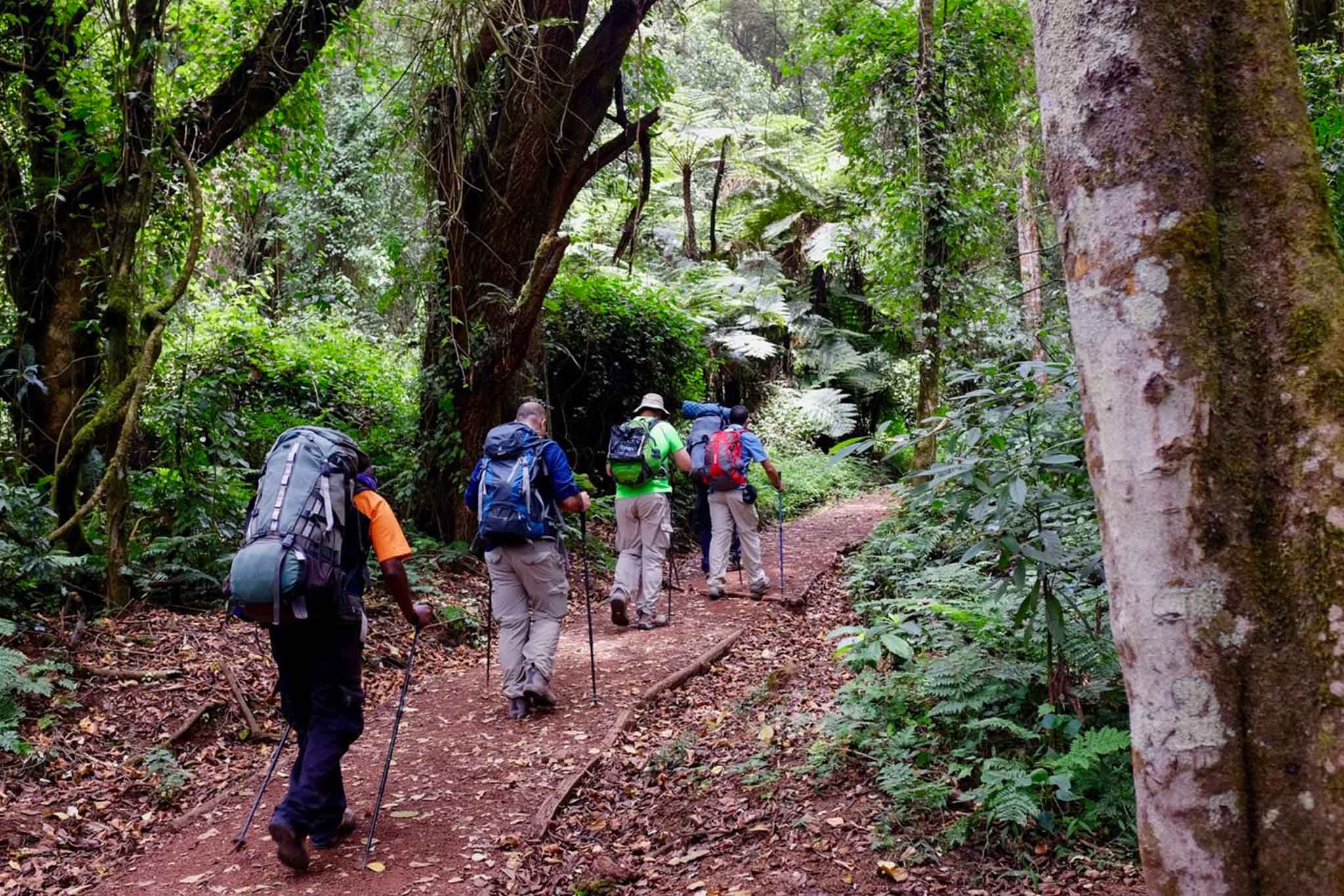
Lush Montane Rainforest Start on Lemosho Route
Begin your Kilimanjaro adventure in dense western rainforest teeming with colobus monkeys and exotic birds – the most biodiverse and scenic entry point for Lemosho climbers seeking tranquility away from busier routes.
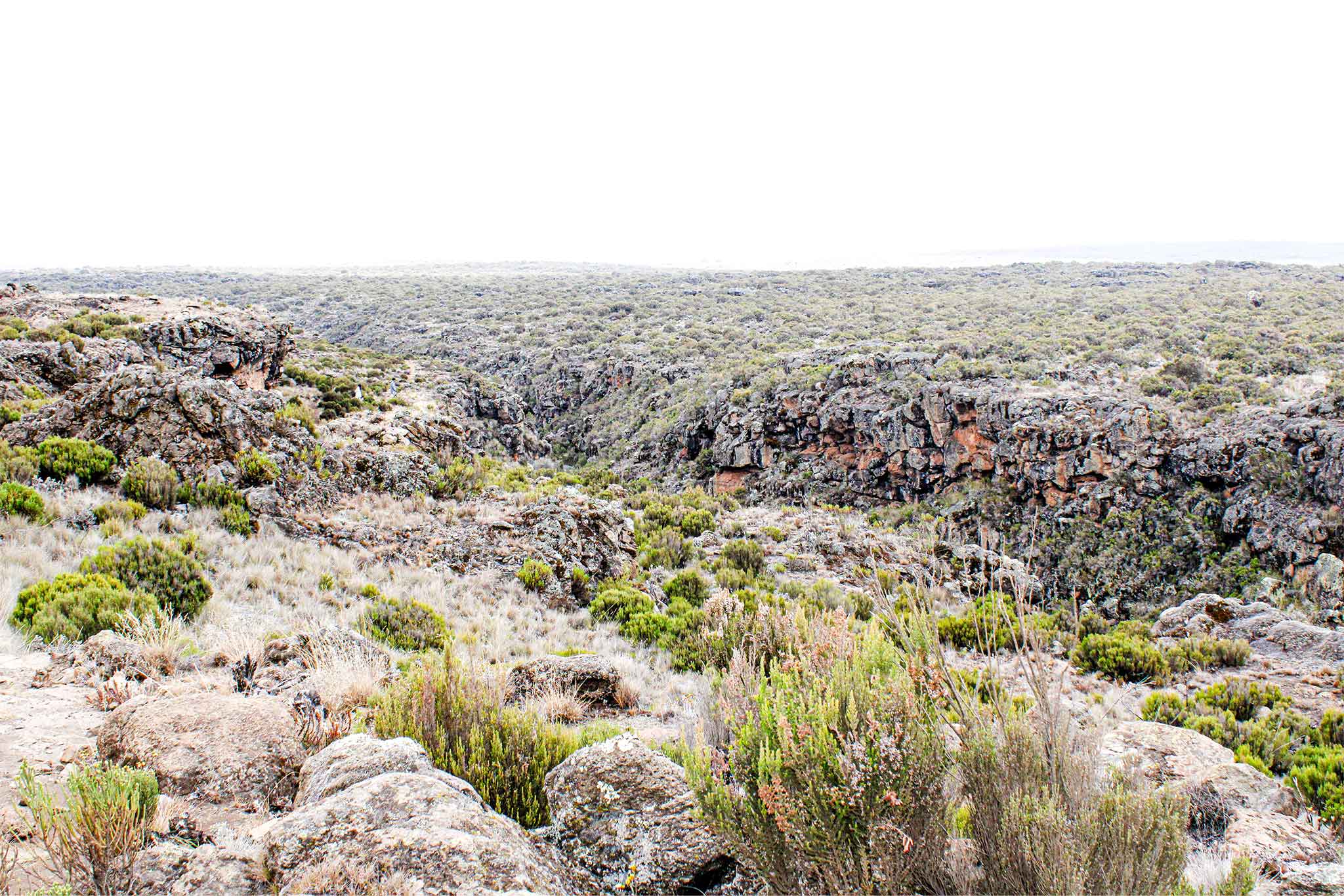
Vast Shira Plateau Volcanic Caldera Views
Cross one of Kilimanjaro’s ancient collapsed volcanoes on the expansive Shira Plateau, enjoying sweeping panoramas of Kibo Peak and wild moorlands – a highlight for photographers on the scenic Lemosho trek.
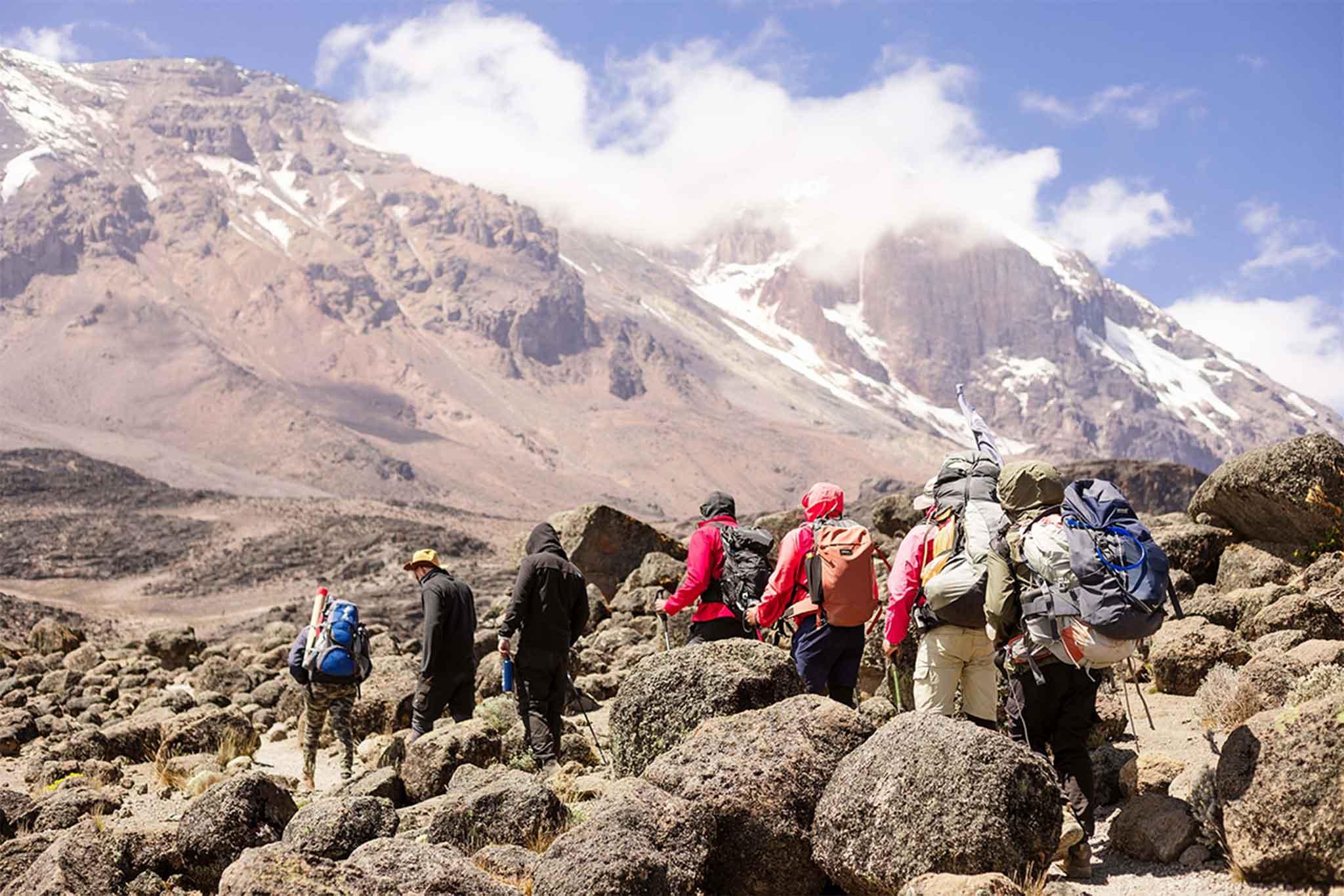
Dramatic Lava Tower Acclimatization Point
Reach the iconic Lava Tower rock formation at over 4,600m for crucial “climb high, sleep low” benefits – surrounded by surreal alpine scenery that boosts summit success on the 7-day Lemosho Route.
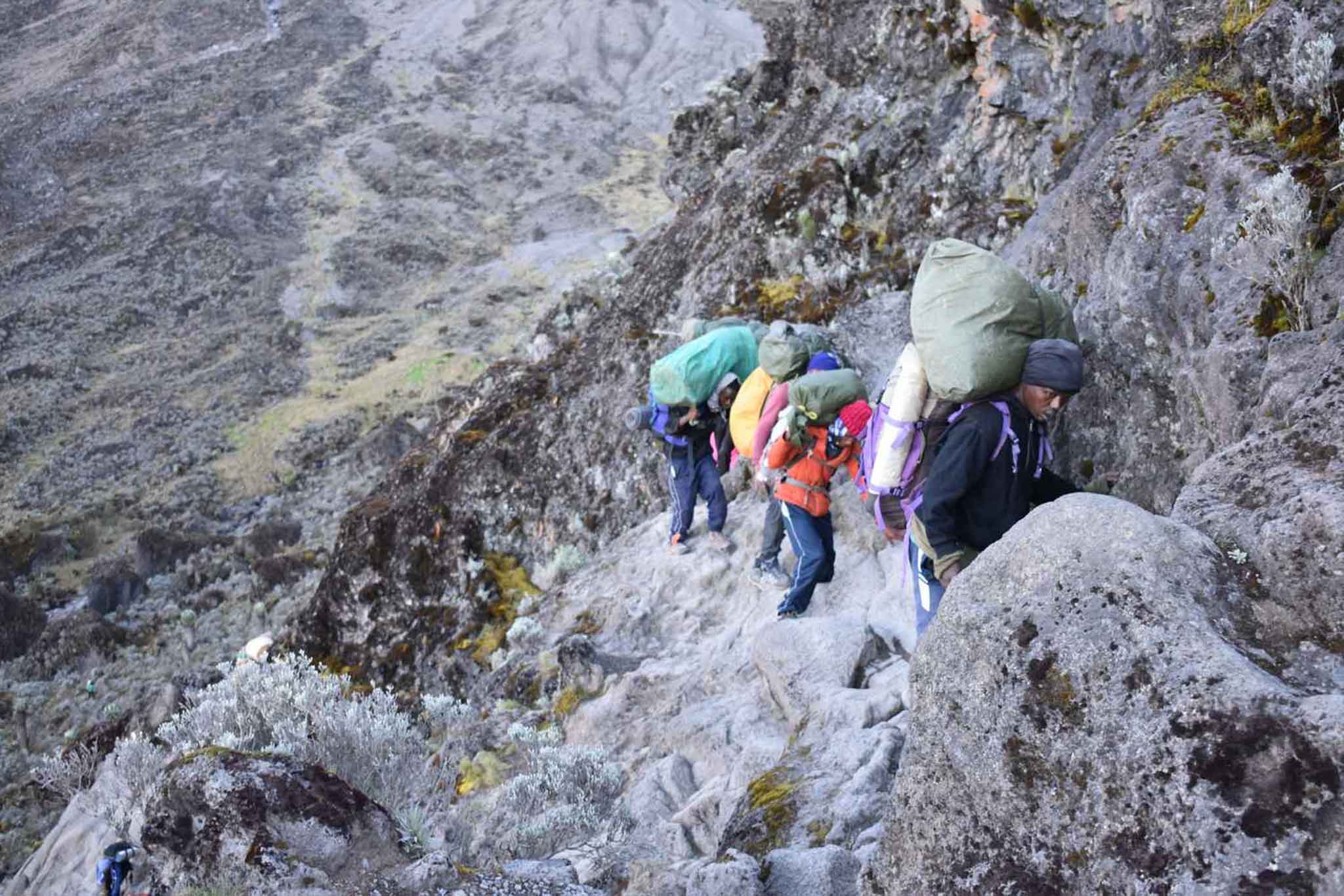
Thrilling Barranco Wall Scramble Adventure
Conquer the famous non-technical Barranco Wall with hands-on scrambling and breathtaking drops into the valley below – an exhilarating, confidence-building moment unique to southern Kilimanjaro routes like Lemosho.
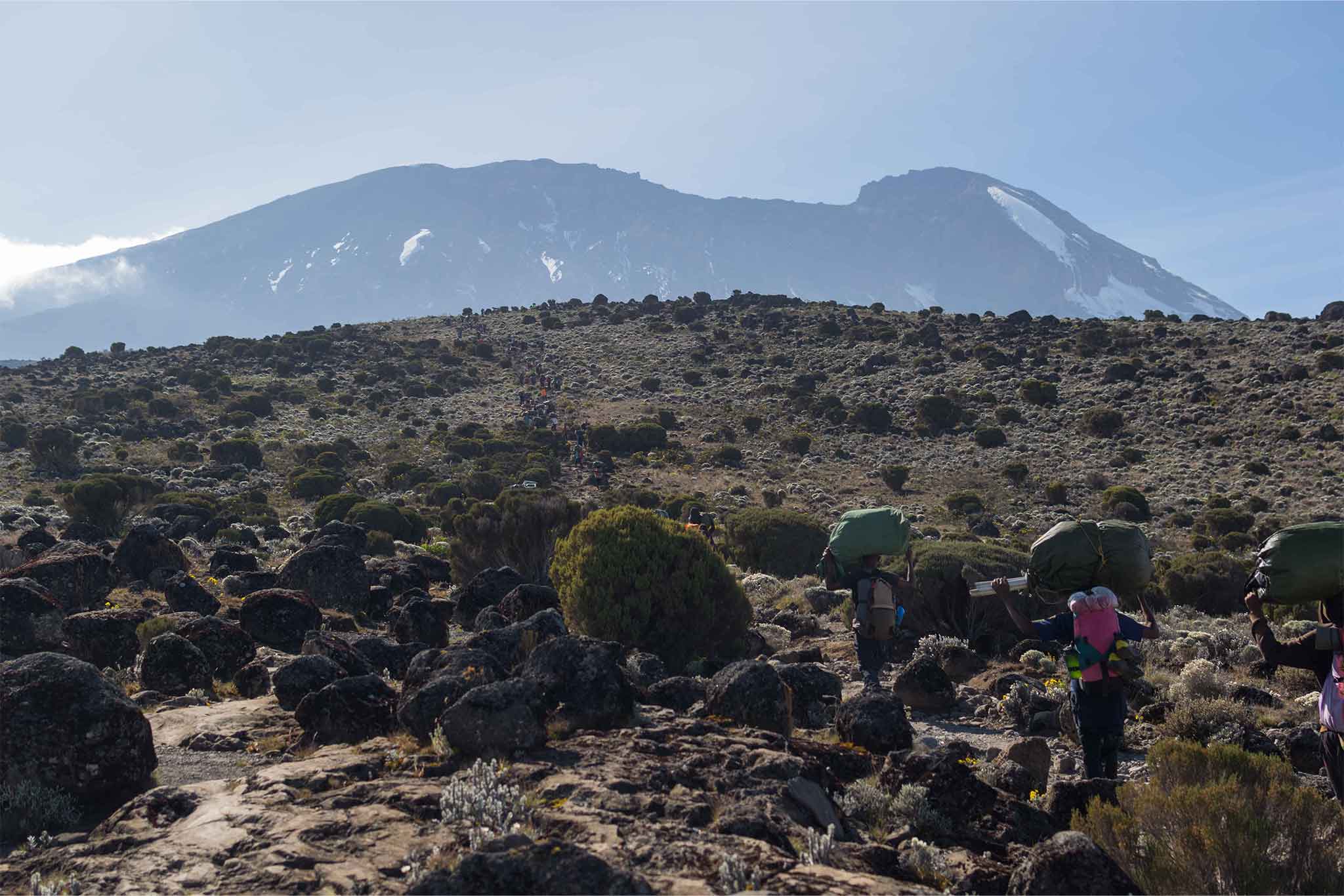
Panoramic Mount Kilimanjaro Views En Route
Catch breathtaking glimpses of snow-capped Kibo peak rising above banana groves and rice paddies on the scenic drive – especially crystal-clear during Tanzania’s July–October dry season.
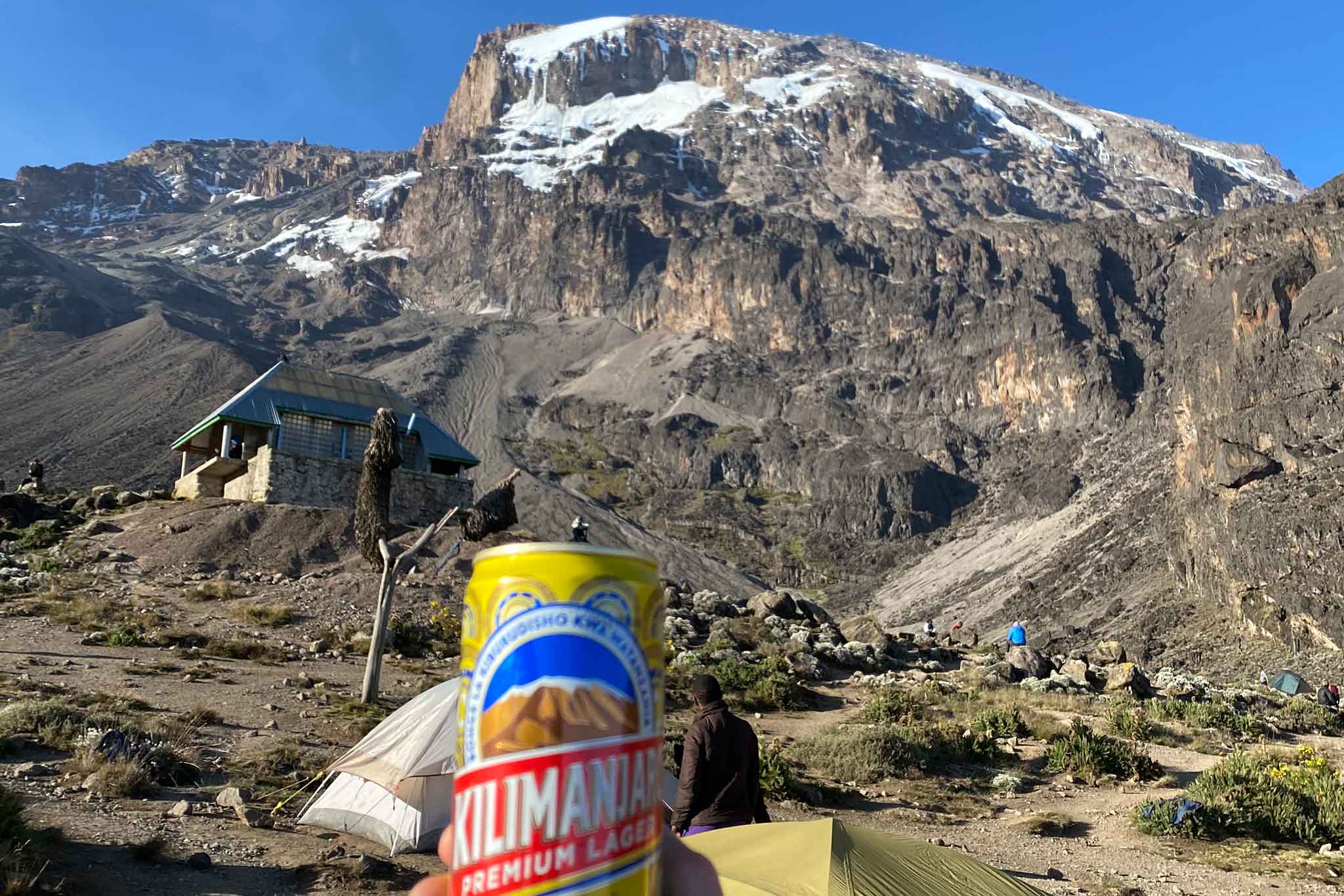
High-Altitude Barafu Base Camp Drama
Set up at rugged Barafu Camp amid barren lunar-like desert, with close-up views of the summit glaciers and Mawenzi Peak – the launching point for midnight ascents on challenging Lemosho climbs.
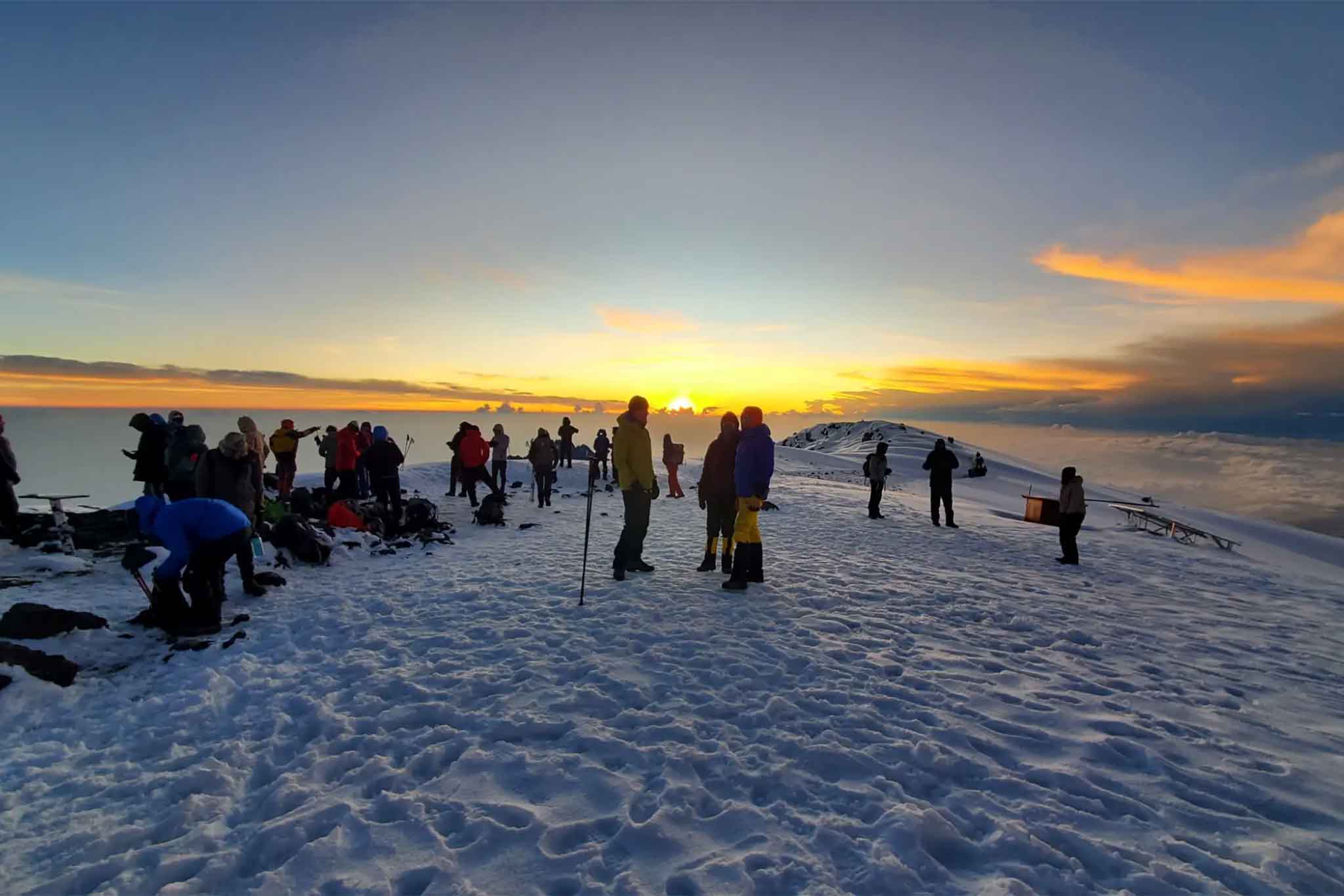
Unforgettable Uhuru Peak Summit Sunrise
Witness a life-changing sunrise from Africa’s rooftop at Uhuru Peak (5,895m), celebrating amid remaining glaciers and endless horizons – the ultimate reward of the scenic 7-day Lemosho Route.
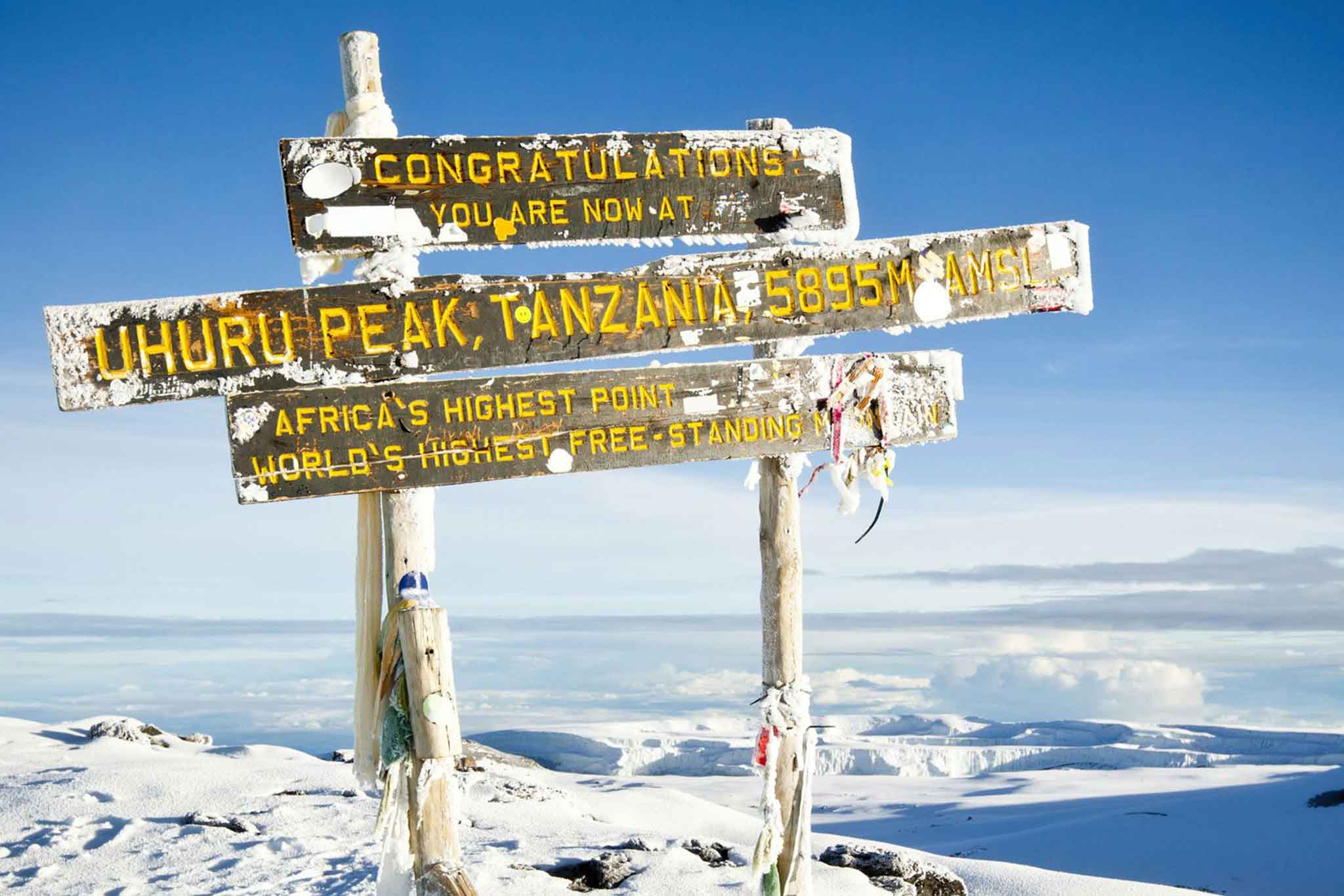
Rare Glacial Ice Fields Close-Up
Stand beside Kilimanjaro’s shrinking but majestic glaciers near the crater rim – a poignant, once-in-a-lifetime encounter with one of the world’s most iconic equatorial ice caps on Lemosho summit day.
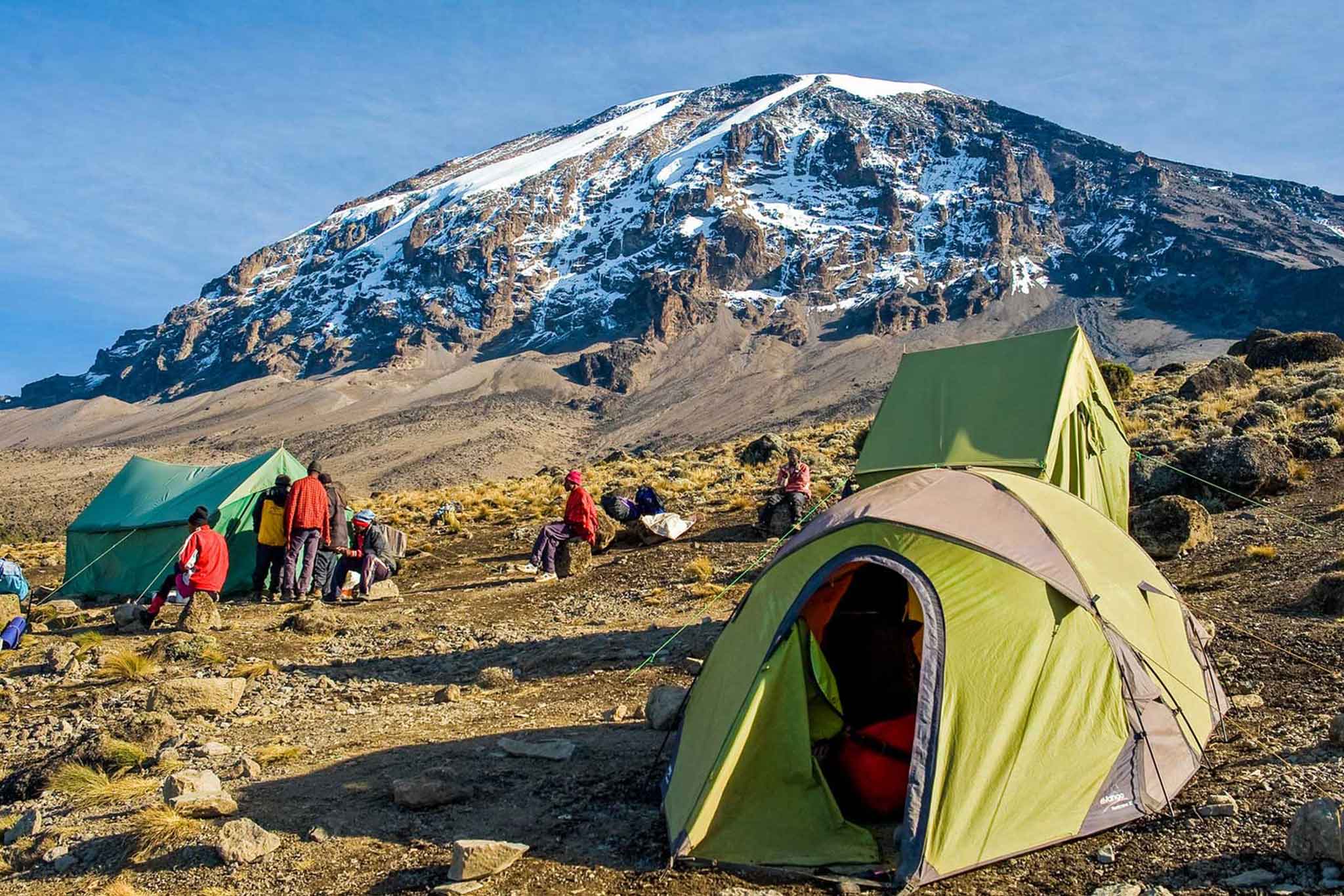
Iconic Snow-Capped Kilimanjaro Panorama
Admire the full symmetrical cone of Mount Kilimanjaro rising dramatically above Tanzania’s plains – clearest in dry seasons, making Lemosho one of the best routes for postcard-perfect mountain vistas.
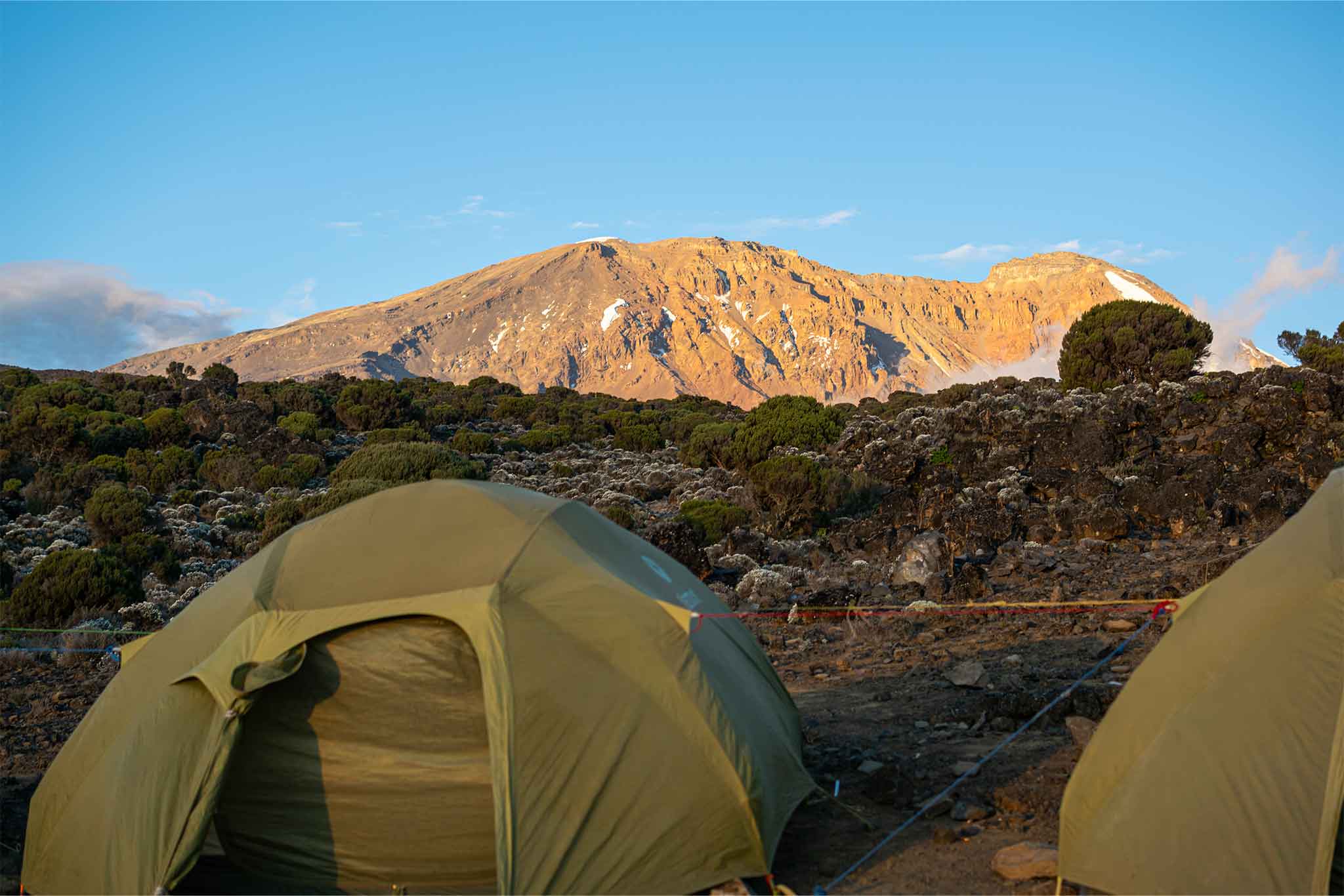
Year-Round Climbing with Seasonal Wonders
Tackle Kilimanjaro any month: clear skies and full moon summits in January–March dry season, lush trails and wildflowers during April–May rains, or crisp visibility in June–October – Lemosho shines for all-year trekkers.
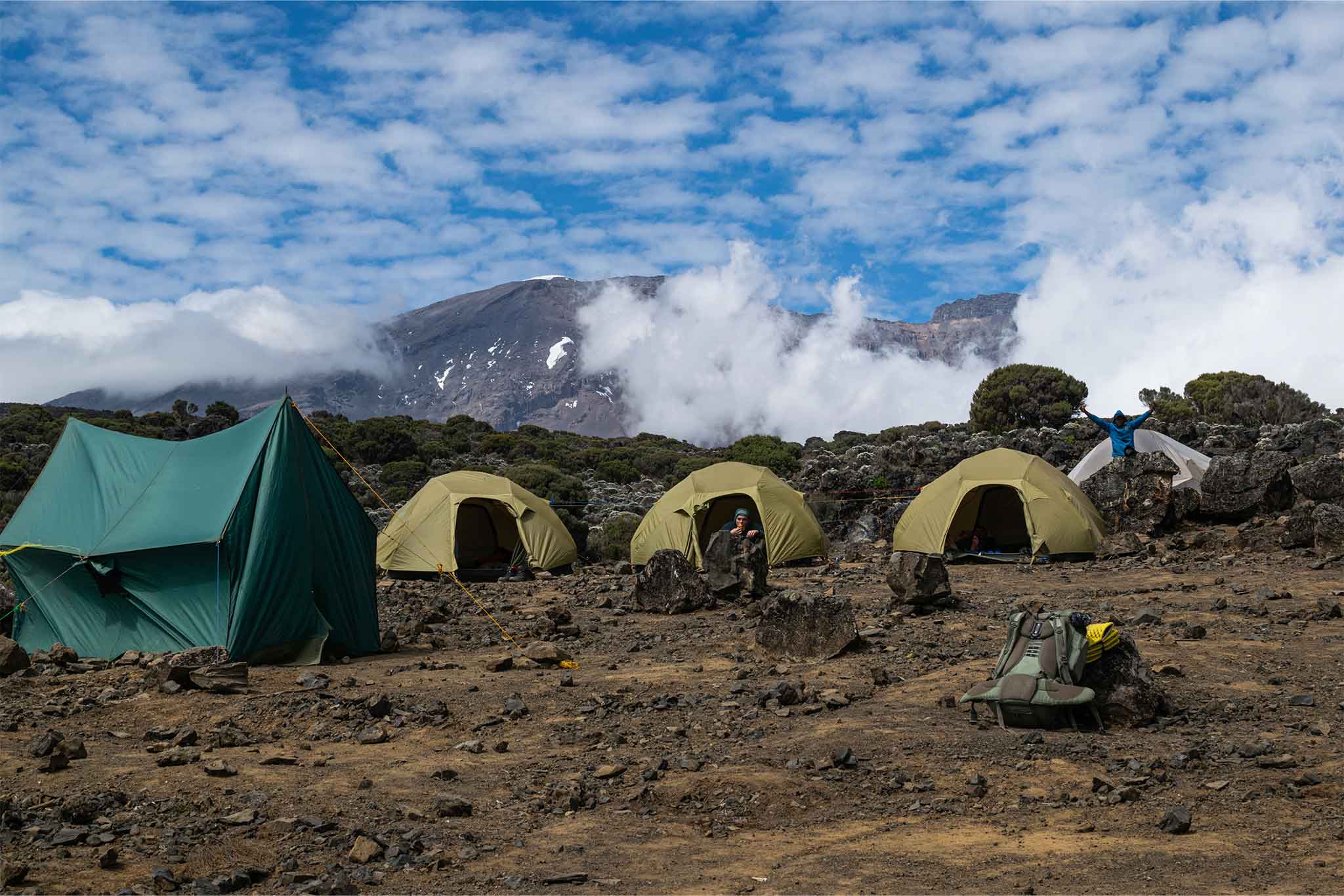
Premium Private Lemosho Route Experience from Arusha
Enjoy expert local guides, fair-wage porters, and private camping on Tanzania’s top-rated 7-day Lemosho Route – the most scenic, uncrowded path to Uhuru Peak with high success rates and ethical support.
7 Days Lemosho Route — Hiking prices Most popular
Price per person (USD) · 7 days / 6 nights · Park fees, guides, porters & meals included
| Group size | 1 person | 2 people | 3 people | 4 people | 5 people | 6 people | 7+ people |
|---|---|---|---|---|---|---|---|
| Price per person | $2,2667 | $2,063 | $1,960 | $1,925 | $1,898 | $1,845 | $1,831 |
| Total cost | $4,126 | $5,880 | $7,700 | $9,490 | $11,070 | $12,817 | Contact us |
| Savings vs solo | — | $604/pp | $707/pp | $742/pp | $769/pp | $822/pp | $836+/pp |
| 7+ group contact us for a custom quote. Larger groups may receive additional discounts. | |||||||
Ready to climb Kilimanjaro?
Secure your spot today — limited spaces available per departure date.
- Day 1
- Day 2
- Day 3
- Day 4
- Day 5
- Day 6
- Day 7
Lemosho Gate (2,100m) → Mti Mkubwa Camp (2,650m)
Distance: 6–8 km | Hiking Time: 3–4 hours
Habitat: Montane rainforest
Your journey begins at the remote western entry point of the mountain at Lemosho Gate. After registration, the trail leads deep into lush, untouched rainforest filled with ancient trees, colobus monkeys, and rich birdlife.
Difficulty: Easy – gentle gradient ideal for acclimatization
Scenery Highlight: Dense tropical rainforest, wildlife encounters, moss-covered trees
You arrive at Mti Mkubwa (“Big Tree”) Camp nestled within the forest for your first night on the mountain.
Mti Mkubwa Camp (2,650m) → Shira 1 Camp (3,610m)
Distance: 8–10 km | Hiking Time: 5–7 hours
Habitat: Moorland transition
The trail steepens as you leave the rainforest behind and enter the heather and moorland zone. The landscape opens dramatically, revealing sweeping views of the Shira Plateau.
Difficulty: Moderate – steady altitude gain with some steep sections
Scenery Highlight: First panoramic views of Kibo Peak and expansive volcanic plains
Shira 1 Camp sits on an open ridge with wide, dramatic skies.
Shira 1 Camp (3,610m) → Shira 2 Camp (3,850m)
Distance: 7 km | Hiking Time: 3–5 hours
Habitat: Alpine moorland
A shorter and strategic acclimatization day across the Shira Plateau. The terrain is vast and exposed, offering uninterrupted views of the mountain’s western face.
Difficulty: Moderate – manageable ascent designed for acclimatization
Scenery Highlight: Lava formations, alpine desert transition, distant glaciers of Kibo
You arrive early at Shira 2 Camp for rest and altitude adaptation.
Shira 2 Camp (3,850m) → Lava Tower (4,600m) → Barranco Camp (3,960m)
Distance: 10–12 km | Hiking Time: 6–8 hours
Habitat: Alpine desert
This critical acclimatization day takes you to Lava Tower at high altitude before descending to Barranco Camp. This “climb high, sleep low” strategy significantly improves summit success.
Difficulty: Challenging – high altitude exposure at Lava Tower
Scenery Highlight: Towering volcanic formations, dramatic ridges, and surreal alpine desert landscapes
Barranco Camp sits beneath the iconic Barranco Wall, one of Kilimanjaro’s most striking features.
Barranco Camp (3,960m) → Karanga Camp (4,035m)
Distance: 5–6 km | Hiking Time: 4–5 hours
Habitat: Alpine desert ridge system
The day begins with the famous Barranco Wall climb—an exciting non-technical scramble offering panoramic views. The trail continues across ridges and valleys toward Karanga Camp.
Difficulty: Moderate to Challenging – short but technical ascent on Barranco Wall
Scenery Highlight: Glacial valleys, dramatic cliff faces, and sweeping views of Kibo Peak
Karanga Camp provides a crucial final acclimatization stop before the summit push.
Karanga Camp (4,035m) → Barafu Camp (4,673m) → Uhuru Peak (5,895m) → Mweka Camp (3,100m)
Distance: 17–21 km | Hiking Time: 12–15 hours
Habitat: Alpine desert → Arctic summit zone → Moorland
A long and demanding summit day begins in the afternoon with a steady climb to Barafu Camp. After rest, the final ascent starts around midnight under starlight conditions.
Difficulty: Very Challenging – extreme altitude, cold temperatures, long endurance effort
Scenery Highlight: Sunrise over glaciers, volcanic crater rim, and the legendary summit of Africa
Reaching Uhuru Peak marks the highest point in Africa. After summit celebrations, you descend to Mweka Camp for an overnight rest.
Mweka Camp (3,100m) → Mweka Gate (1,640m)
Distance: 10 km | Hiking Time: 3–5 hours
Habitat: Rainforest
The final descent takes you back through lush rainforest, where oxygen-rich air, birdsong, and tropical vegetation signal your return to a lower altitude.
Difficulty: Easy to Moderate – continuous downhill trek
Scenery Highlight: Dense rainforest, waterfalls, and wildlife encounters
At Mweka Gate, you receive your summit certificate and officially complete your Kilimanjaro expedition with The Woven Experience.
More about Kilimanjaro National Park Discover Kilimanjaro National Park
More about this tour
Location Overview
This immersive 7-day Lemosho Route trek on Mount Kilimanjaro explores the remote western slopes of Africa’s highest mountain, a vast and ecologically diverse wilderness located approximately 100–140 km (62–87 miles) west of Arusha—the main safari and trekking gateway at the base of Mount Meru.
Starting from Arusha (1,400 m / 4,600 ft elevation), the journey travels through fertile farmland and forested foothills before reaching the remote Lemosho Gate on the western side of Kilimanjaro. Known for its low traffic, pristine rainforest, and exceptional acclimatization profile, the Lemosho Route is widely regarded as one of the most scenic and successful paths to the summit.
The trail ascends gradually through untouched montane rainforest, transitioning into heather and moorland zones, across the expansive Shira Plateau, and into the dramatic alpine desert landscape near Lava Tower and Barranco Valley. The route then converges toward the southern circuit, crossing the iconic Barranco Wall before progressing to the high camps of Karanga and Barafu, and finally ascending to the glacial summit zone at Uhuru Peak (5,895 m). The descent follows the Mweka trail through lush rainforest, completing a full ecological transition from equatorial forest to arctic summit and back.
Lemosho Gate (2,100 m / 6,890 ft)
Located on the remote western flank of Kilimanjaro, Lemosho Gate sits within dense montane rainforest and small agricultural settlements. This quiet entry point is known for its low foot traffic and pristine natural environment. The trek begins here with lush vegetation, ancient trees, and frequent sightings of colobus monkeys and diverse birdlife.
Mti Mkubwa Camp (2,650 m / 8,690 ft)
Meaning “Big Tree Camp,” this first overnight stop lies deep within the rainforest zone. The environment is humid, green, and rich with biodiversity. Towering trees, thick moss, and forest wildlife create a classic tropical mountain atmosphere, offering a gentle introduction to Kilimanjaro’s lower slopes.
Shira 1 Camp (3,610 m / 11,844 ft)
Situated on the edge of the Shira Plateau, this camp marks the transition from rainforest to open moorland. The landscape becomes vast and exposed, with sweeping views of Kibo Peak emerging in the distance. The air becomes noticeably thinner, signaling the start of higher-altitude trekking.
Shira 2 Camp (3,850 m / 12,630 ft)
Set across the expansive volcanic Shira Plateau, this camp offers wide-open alpine scenery with dramatic skies and panoramic mountain views. The terrain is rocky and windswept, with giant lobelias and hardy vegetation adapted to high altitude conditions.
Barranco Camp (3,960 m / 12,992 ft)
Nestled beneath the towering Barranco Wall, this iconic camp sits in a sheltered valley surrounded by giant senecios and alpine desert formations. It is one of the most scenic camps on Kilimanjaro, offering dramatic sunrise views and a striking amphitheater-like setting.
Karanga Camp (4,035 m / 13,255 ft)
A key acclimatization stop on the southern circuit, Karanga Camp is positioned along rugged ridgelines with expansive views of both Kibo and the surrounding valleys. The terrain is dry, rocky, and exposed, providing excellent preparation for the summit elevation.
Barafu Camp (4,673 m / 15,331 ft)
Located on a stark alpine ridge, Barafu Camp serves as the main base for the final summit push. The environment is cold, barren, and windswept, with minimal vegetation. Climbers rest here before beginning the midnight ascent toward Uhuru Peak.
Uhuru Peak (5,895 m / 19,340 ft)
The highest point in Africa is located on the crater rim of Kibo within the arctic summit zone. Uhuru Peak offers breathtaking views over glaciers, volcanic formations, and the vast Tanzanian plains below. Oxygen levels are significantly reduced, and conditions are extreme but rewarding beyond measure.
Mweka Camp (3,100 m / 10,170 ft – Descent)
Situated in lush montane rainforest on the southern slopes, Mweka Camp marks the final overnight stop. The return of dense vegetation, moisture, and oxygen-rich air provides a refreshing contrast after the summit experience.
Mweka Gate (1,640 m / 5,380 ft – Exit)
The official exit point of the climb is located in the rainforest belt. This is where trekkers receive their summit certificates and complete their descent through tropical vegetation and farmland.
Geography & Access
Terrain:
A complete ecological transect from tropical rainforest to alpine desert and arctic summit zones. The Lemosho Route is renowned for its gradual ascent, varied landscapes, and exceptional acclimatization profile compared to other Kilimanjaro routes.
Altitude Range:
2,100–5,895 m (6,890–19,340 ft), offering a steady elevation gain that significantly improves summit success rates.
Travel Times (from Arusha):
Lemosho Gate: 4–5 hours by 4x4 vehicle
Mweka Gate (exit): 2–3 hours return transfer to Arusha or Moshi
Gateway:
Kilimanjaro International Airport (JRO) → Arusha (approximately 45–60 minutes transfer), followed by overland travel to the western trailhead.
Seasonality:
The Lemosho Route is accessible year-round. The dry seasons (June–October and January–February) offer the clearest skies, stable footing, and optimal climbing conditions. The rainy seasons bring fewer crowds and lush green rainforest scenery, though higher camps may experience colder temperatures and occasional snow near the summit zone.
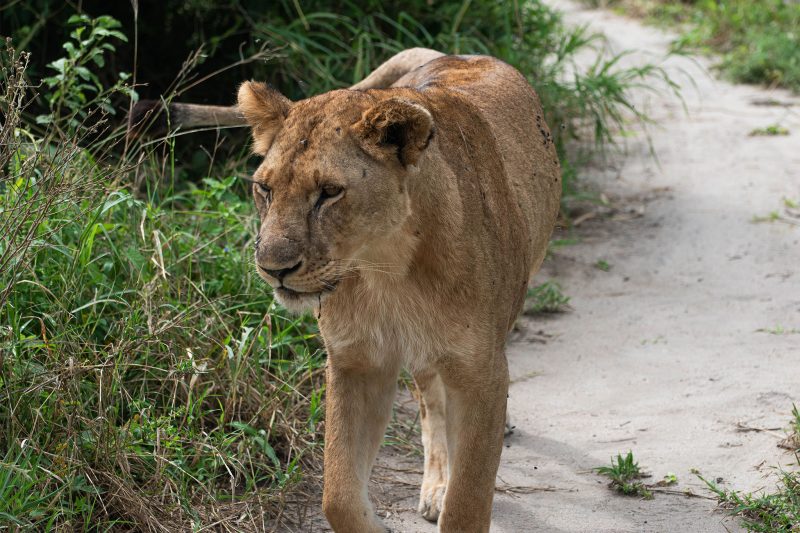
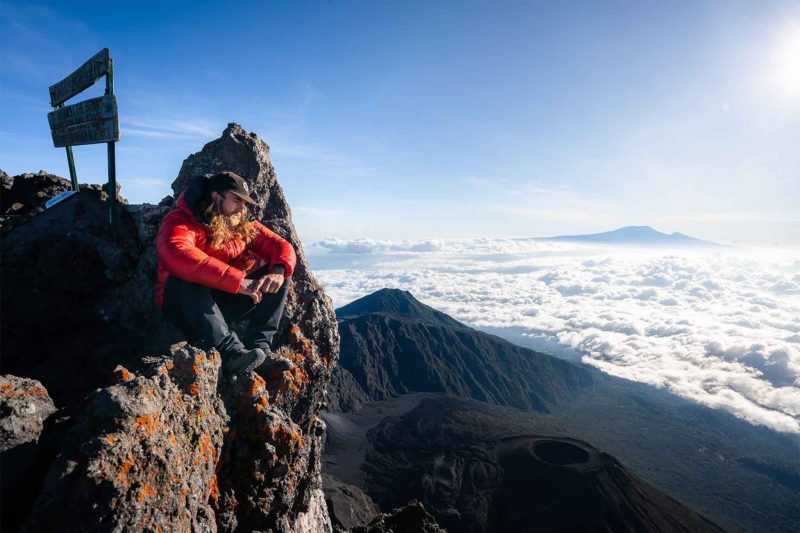
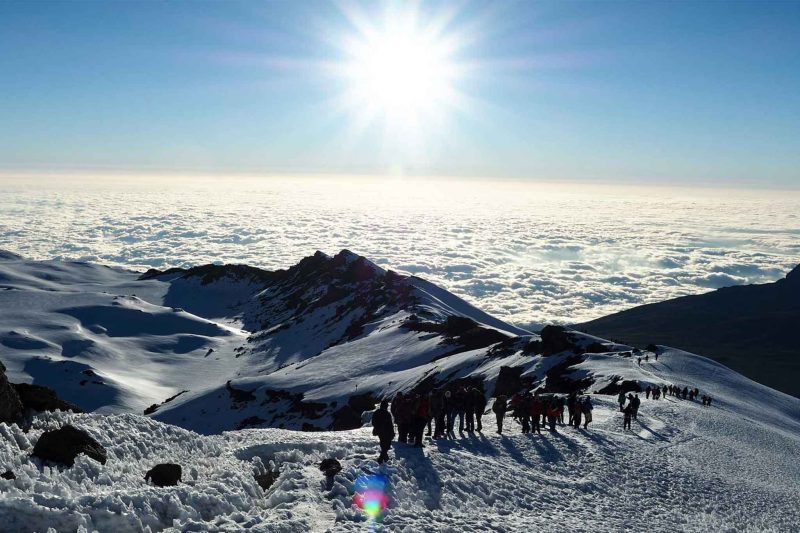
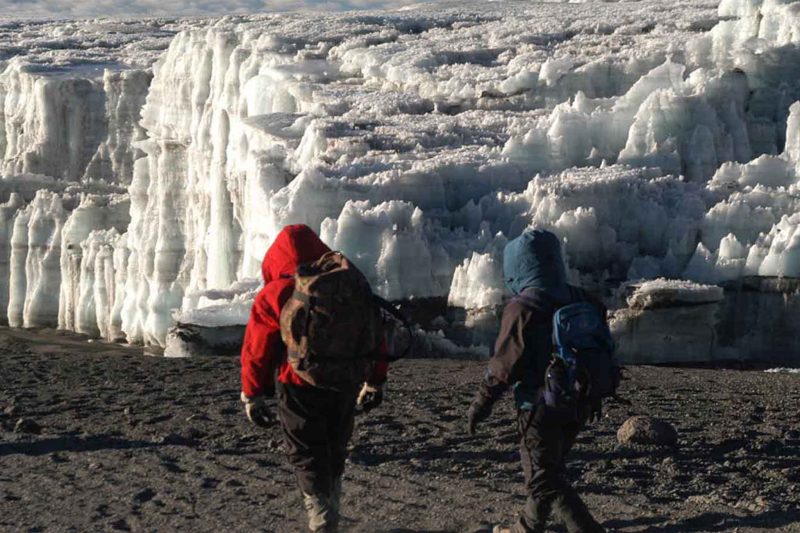
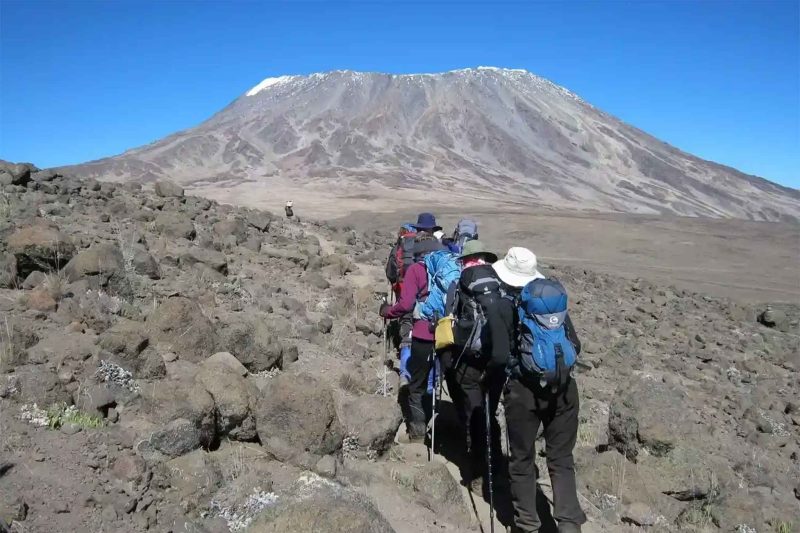
7-Day Lemosho Route Kilimanjaro Hike
Climbing Mount Kilimanjaro via the scenic Lemosho Route is widely regarded as the best all-round route for success, beauty, and acclimatization. This 7-day itinerary offers a perfect balance of gradual ascent, diverse landscapes, and a high summit success rate—making it ideal for both first-time trekkers and seasoned adventurers.
With The Woven Experience, your journey goes beyond the climb—delivering a safe, immersive, and expertly guided Kilimanjaro experience.
Weather on Kilimanjaro Throughout the Year
Kilimanjaro’s climate is shaped by altitude rather than just seasons, meaning you’ll experience multiple ecosystems in one trek.
Year-Round Conditions:
Base (Rainforest): Warm, humid (20–25°C / 68–77°F)
Mid-Mountain: Cooler, drier conditions
Summit (Arctic Zone): Freezing (-10°C to -20°C / 14°F to -4°F)
Seasonal Breakdown:
January–March: Clear skies, moderate temperatures, occasional summit snow
April–May: Heavy rains—lush but challenging trekking conditions
June–October: Dry season, best visibility, most popular time
November–December: Short rains, quieter trails, vibrant scenery
Not sure when to go? Speak with our Kilimanjaro experts to choose your perfect weather window.
A Short Expert Guide to the Lemosho Route
The Lemosho Route approaches Kilimanjaro from the western side, offering unmatched scenery and a quieter start before joining the Machame Route.
Route Highlights:
Remote rainforest starts with rich wildlife potential
Expansive Shira Plateau views
Excellent acclimatization profile
Iconic landmarks like Lava Tower and Barranco Wall
Difficulty Level: Moderate
Success Rate: High (one of the best on the mountain)
Ready for one of Kilimanjaro’s most scenic routes? Secure your Lemosho trek today.
Expert Recommendations
Our guides consistently recommend the 7-day Lemosho Route for its gradual ascent and higher summit success rates.
Top Expert Advice:
Ideal for first-time climbers seeking a safer acclimatization profile
Maintain a slow, steady pace (“pole pole”)
Stay consistent with hydration and nutrition
Take advantage of acclimatization hikes (climb high, sleep low)
Want to maximize your summit chances? Let our team design your optimal climb strategy.
How to Prepare for the Lemosho Route
Preparation ensures not just success, but enjoyment of the journey.
Physical Training
Cardio (hiking, jogging, cycling) 3–5 times weekly
Strength training for legs and endurance
Practice hiking with a daypack
Gear Essentials
Layered clothing system (base, fleece, waterproof shell)
Quality hiking boots (well broken-in)
Warm summit gear (down jacket, gloves, thermal layers)
Mental Preparation
Prepare for long trekking days
Stay positive and adaptable
Focus on consistency, not speed
Book with us and receive a complete training plan & expert packing checklist.
Seasonal Highlights on the Lemosho Route
Every season transforms Kilimanjaro into a different experience:
June–October: Crystal-clear views, dry trails, peak trekking season
January–March: Fewer crowds, stunning summit snow conditions
November–December: Green landscapes and peaceful trails
Discover Kilimanjaro your way—we’ll help you choose the perfect season for your goals.
Best Time to Hike the Lemosho Route
Top Windows:
June to October: Best weather and visibility
January to March: Excellent alternative with fewer climbers
Avoid if possible:
April–May: Heavy rains and difficult trail conditions
Lock in your preferred dates early—Lemosho is one of the most in-demand routes.
Why Hike with The Woven Experience?
Your Kilimanjaro climb deserves more than just logistics—it deserves expertise, care, and purpose.
Why Choose Us:
Highly experienced, certified local guides
Excellent summit success rates
Personalized attention and pacing
Top-tier safety equipment (oxygen, health monitoring)
Ethical and responsible trekking practices
Authentic storytelling and cultural connection
Climb with confidence—start your Kilimanjaro journey with The Woven Experience today.
Private Hikes vs Group Climbs
Private Hikes (Solo or With Your Group)
Perfect for:
Couples, families, friends
Flexible schedules and personalized pacing
Benefits:
Tailored itinerary and pace
Greater comfort and privacy
Dedicated guide support
Group Climbs (Join Other Travelers)
Perfect for:
Solo travelers
Budget-conscious adventurers
Social experiences
Benefits:
Shared costs
Motivating team environment
Opportunity to meet like-minded explorers
Whether you want a private luxury trek or a social group climb, we’ll match you with the perfect experience. Enquire now to reserve your spot.
Start Your Lemosho Adventure Today
The 7-day Lemosho Route is the ultimate way to experience Mount Kilimanjaro—combining breathtaking scenery, smart acclimatization, and a high chance of reaching Uhuru Peak.
Ready to take the first step? Contact The Woven Experience today and turn your Kilimanjaro dream into reality.





There are no comments yet.