When planning a safari, one question matters more than almost anything else: when should you go?
Tanzania is a year-round safari destination, but the experience can vary dramatically depending on the season. From the world-famous Great Migration in Serengeti National Park to the dense wildlife populations of Ngorongoro Crater, timing your visit correctly can elevate your safari from memorable to extraordinary.
In this complete guide, we’ll break down the best time to visit Tanzania for a safari based on wildlife viewing, weather, crowds, and travel style — so you can plan the perfect journey.
Understanding Tanzania’s Safari Seasons
Tanzania has two main seasons:
1. Dry Season (June to October)
This is widely considered the best time for wildlife viewing.
2. Wet Season (November to May)
This season offers lush landscapes, fewer crowds, and unique experiences.
Each has its own advantages, depending on what you’re looking for.
Dry Season (June – October): Peak Safari Experience
The dry season is the most popular time to visit Tanzania — and for good reason.
Why It’s the Best Time for Wildlife:
Animals gather around water sources
Vegetation is thinner, making wildlife easier to spot
Predator activity increases
This is when destinations like Tarangire National Park and Serengeti National Park truly come alive.
Highlights of the Dry Season
✔ Excellent Wildlife Viewing
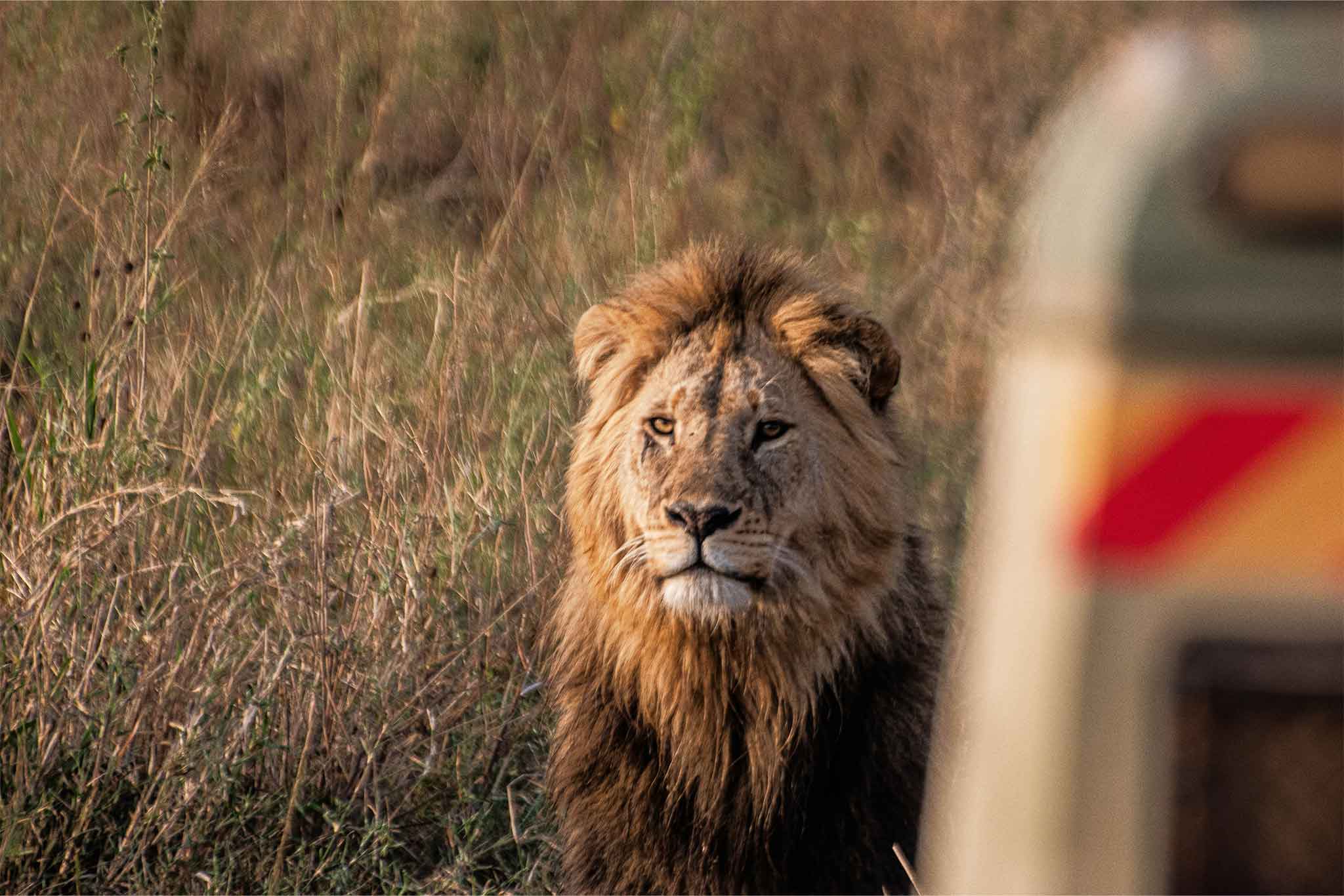
Expect frequent sightings of lions, elephants, giraffes, and more.
✔ Great Migration River Crossings
One of the most dramatic moments of the migration occurs as herds cross crocodile-filled rivers in the northern Serengeti.
✔ Ideal Weather
Sunny days, cool evenings, and minimal rainfall.
Considerations
Higher prices
More visitors (especially July–August)
Wet Season (November – May): Underrated Beauty
The wet season is often overlooked — but it offers some of the most beautiful and peaceful safari experiences.
Green Season (November – March)
This is a time of renewal and life.
Highlights:
Lush green landscapes
Birdwatching at its best
Fewer tourists
In areas like Lake Manyara National Park, the scenery becomes incredibly vibrant.
Calving Season (January – February).
A truly special time in the southern Serengeti National Park.
What Happens:
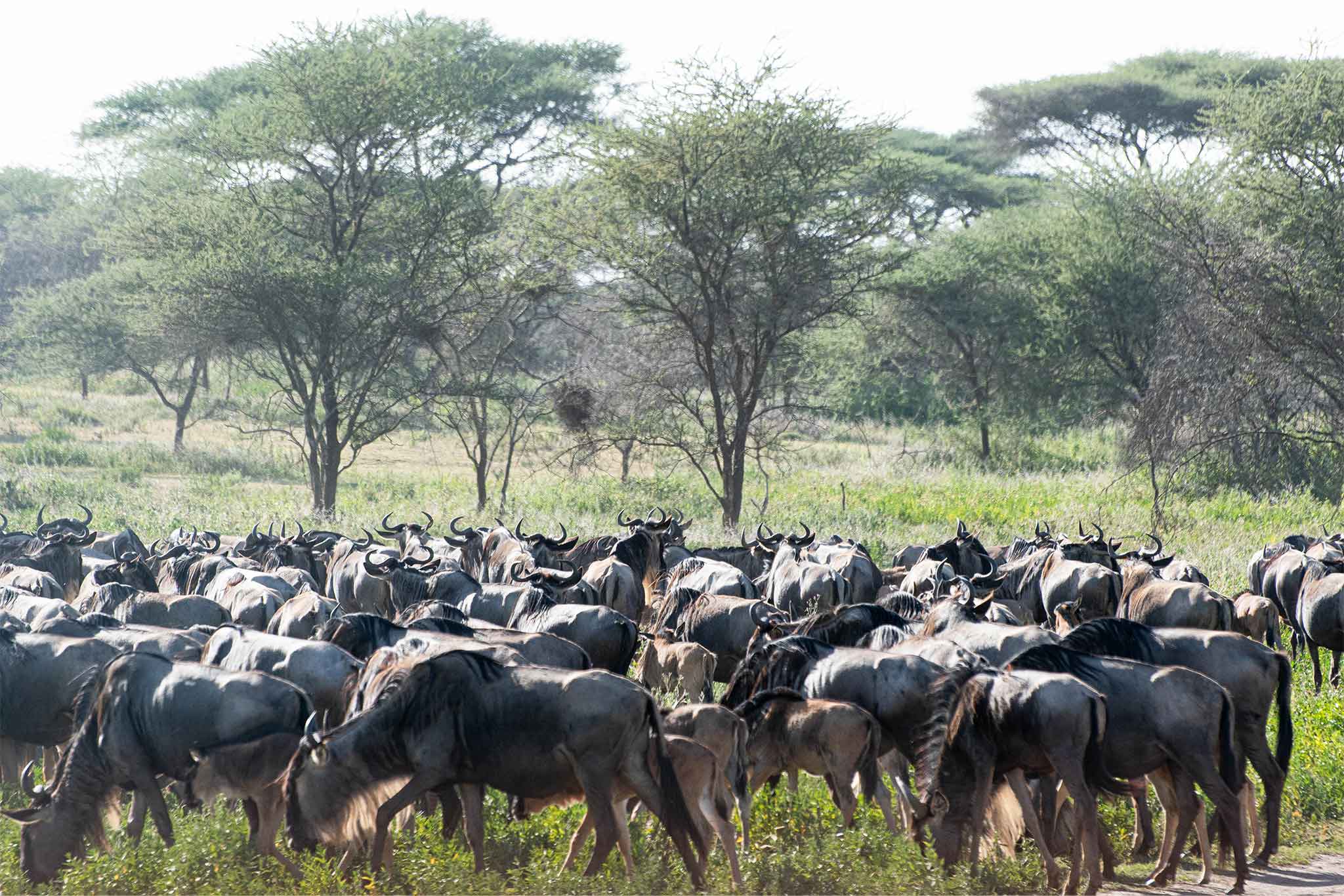
Thousands of wildebeest calves are born
Increased predator activity
Unique wildlife interactions
This is one of the best times for photography and dramatic wildlife moments.
Long Rains (March – May)
This is the quietest time for tourism.
Pros:
Lower prices
Very few crowds
Peaceful safari experience
Cons:
Heavy rainfall
Some roads may be challenging
Best Time for the Great Migration
The Great Migration is one of the most sought-after safari experiences in the world.
Here’s how it moves through the year:
Dec–Mar: Calving season in southern Serengeti
Apr–Jun: Movement north
Jul–Oct: River crossings in northern Serengeti
No matter when you travel, some part of the migration is happening — but timing determines what you’ll see.
Best Time for Specific Parks
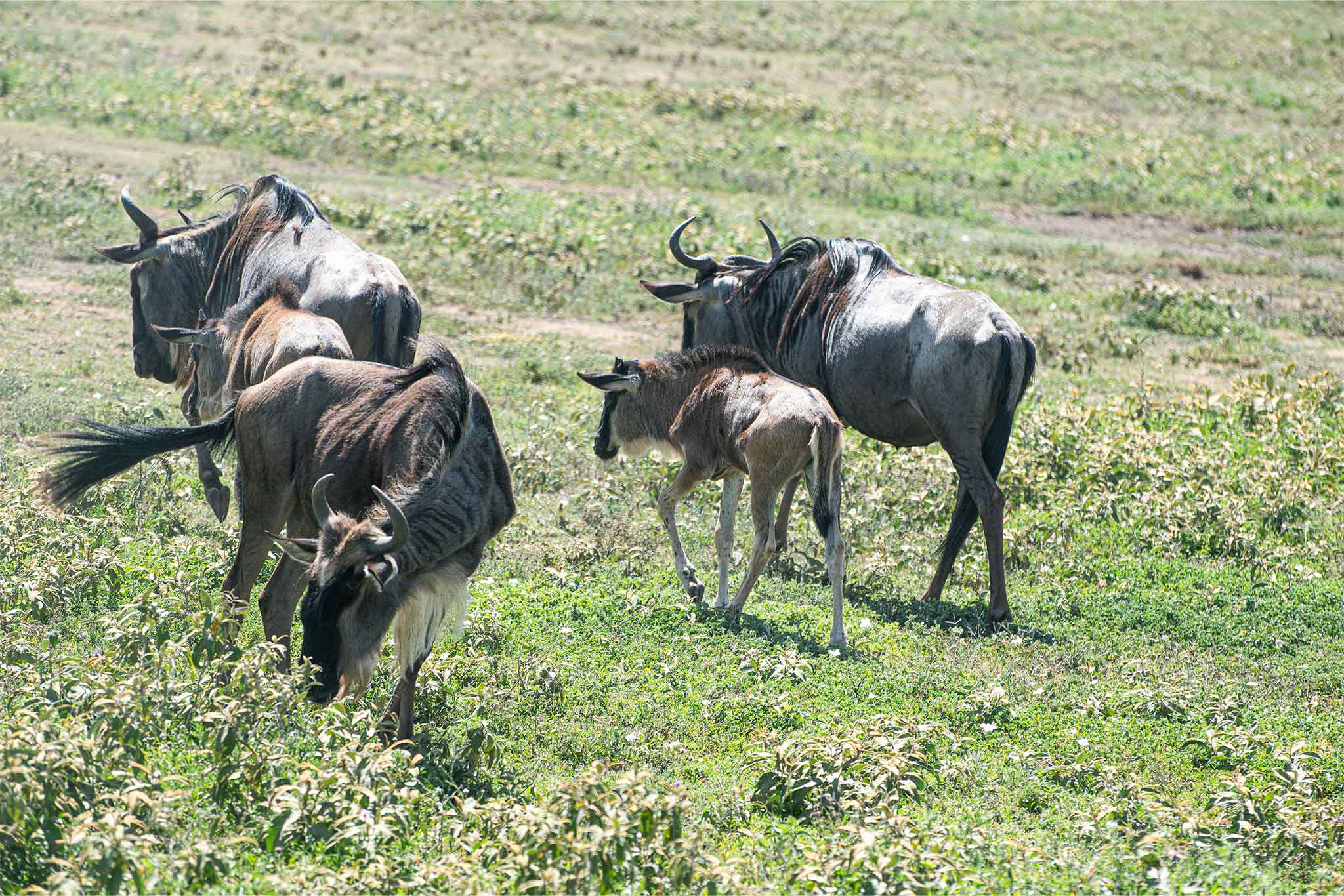 Serengeti National Park
Best year-round, with seasonal highlights depending on migration.
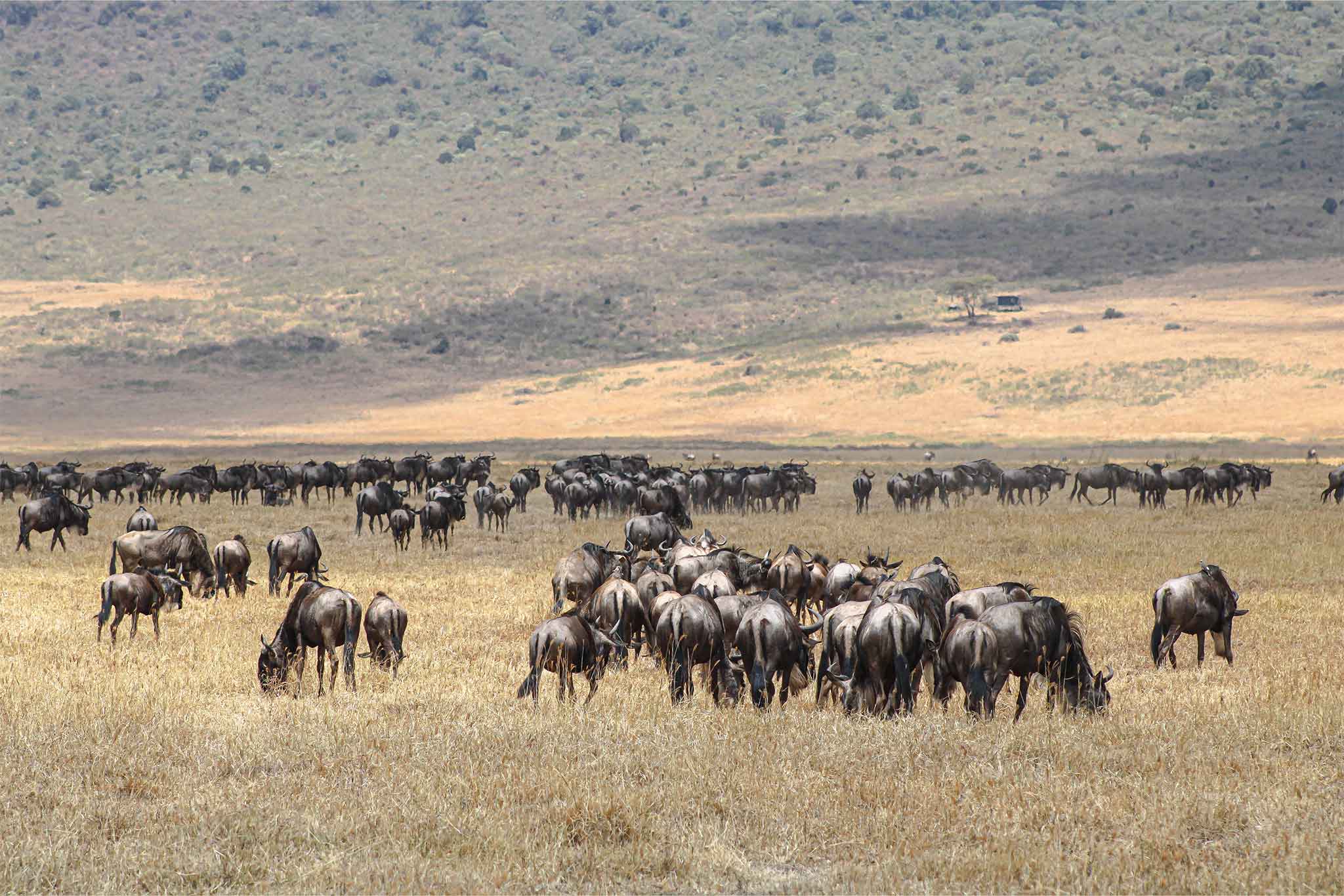 Ngorongoro Crater
Excellent all year due to its enclosed ecosystem.
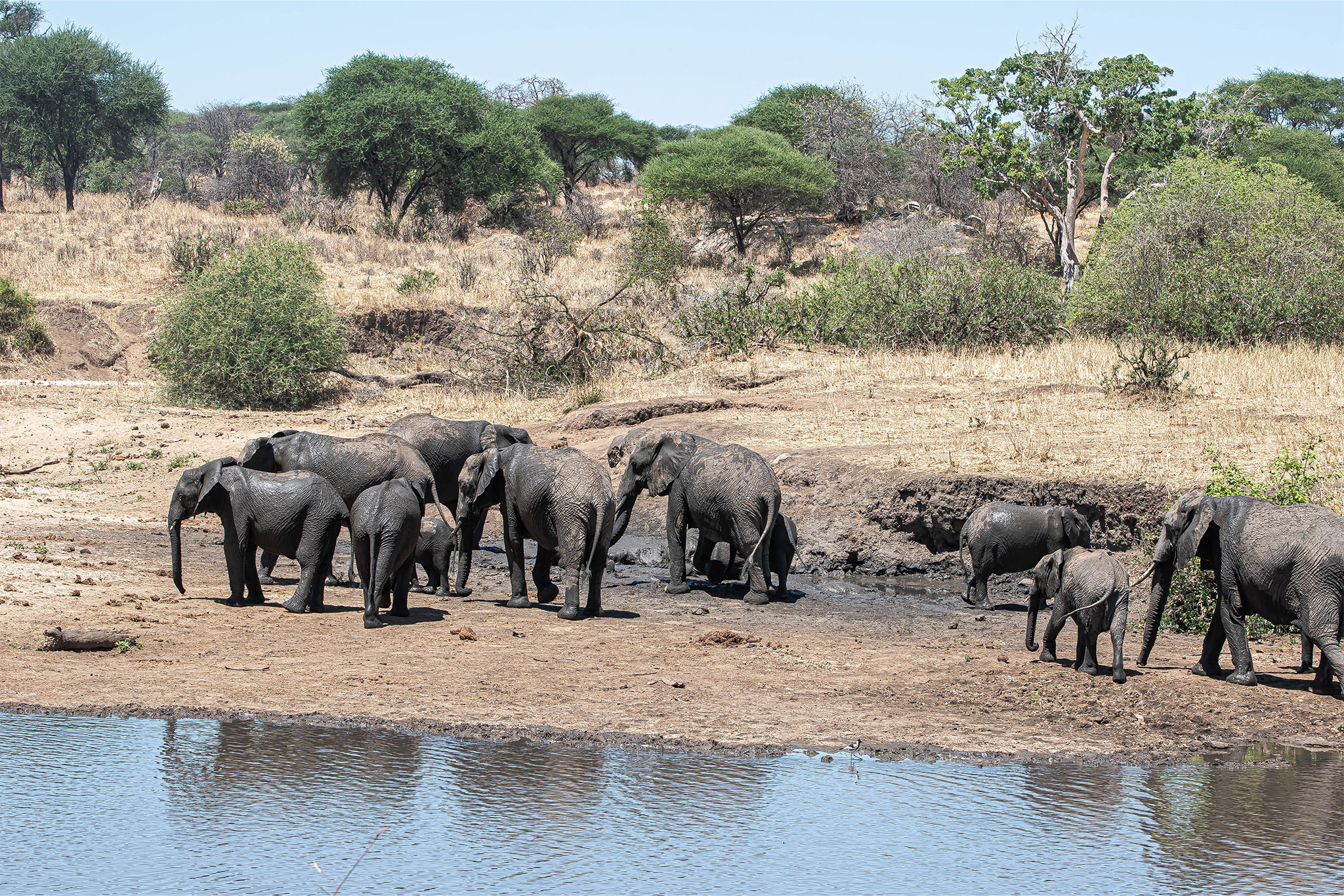 Tarangire National Park
Best in dry season when elephants gather in large numbers.
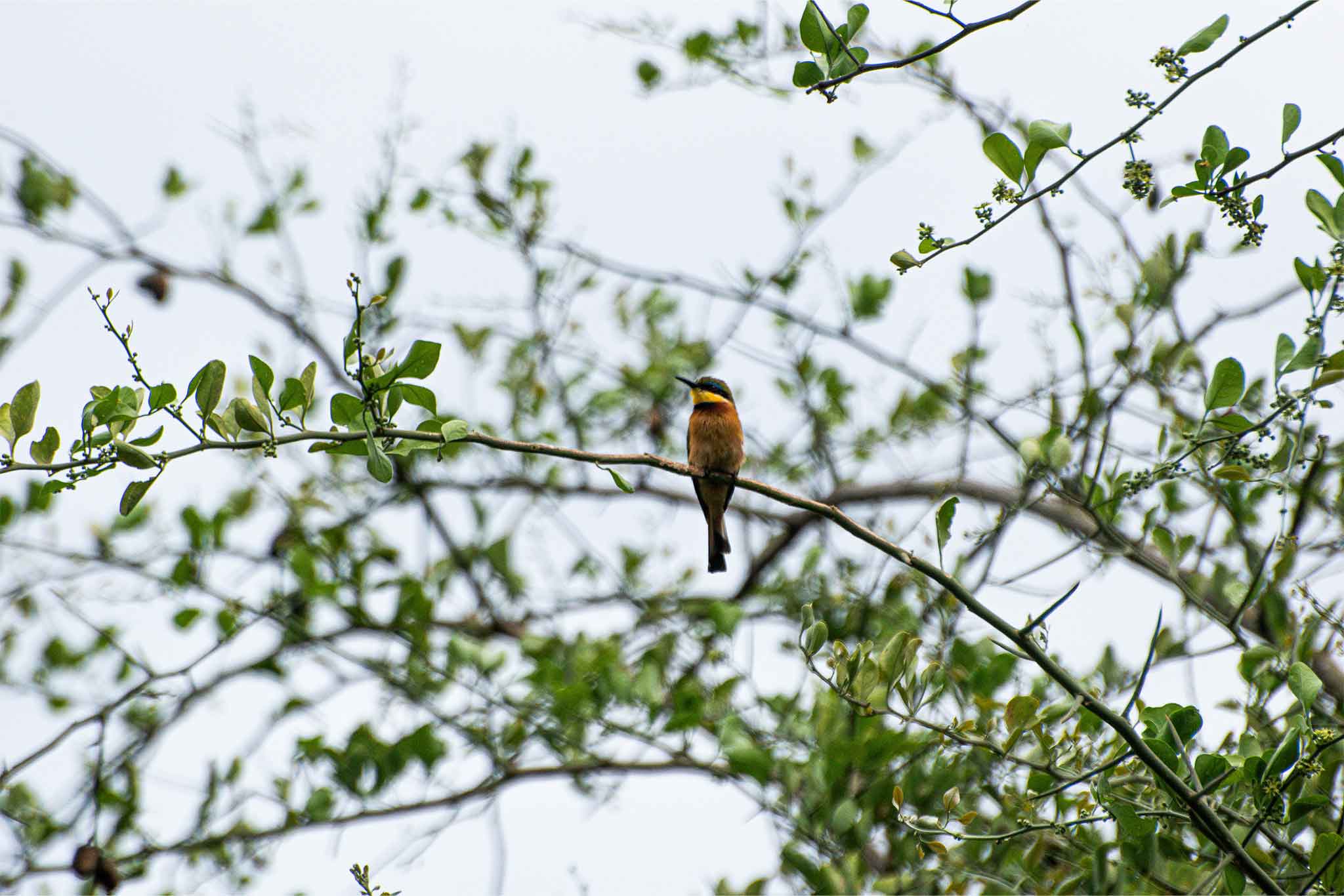 Lake Manyara National Park
Best during green season for scenery and birdlife.
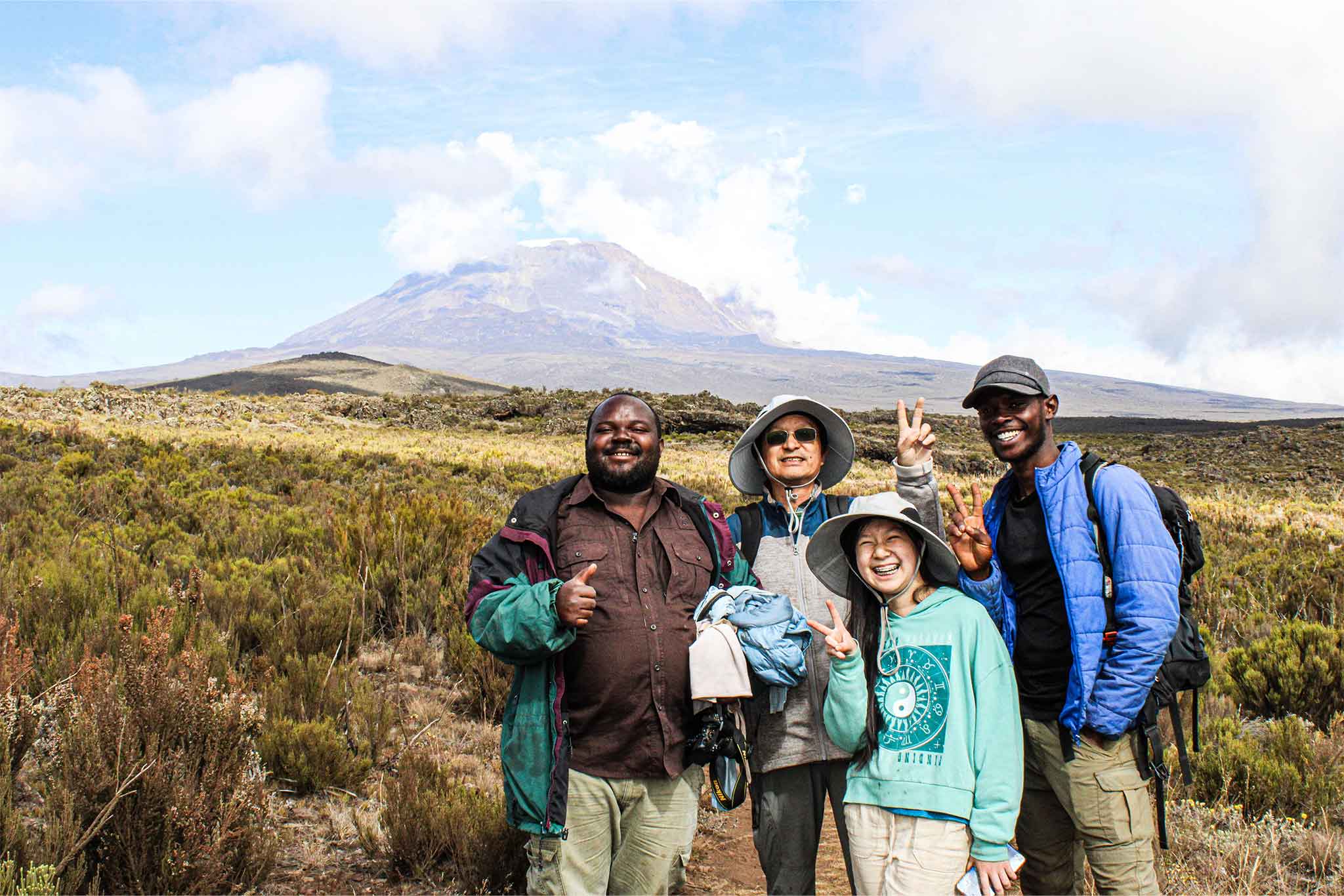 Best Time for Kilimanjaro Treks
If you’re planning to climb Mount Kilimanjaro:
Best months:
January – March
June – October
These periods offer the best weather and visibility.
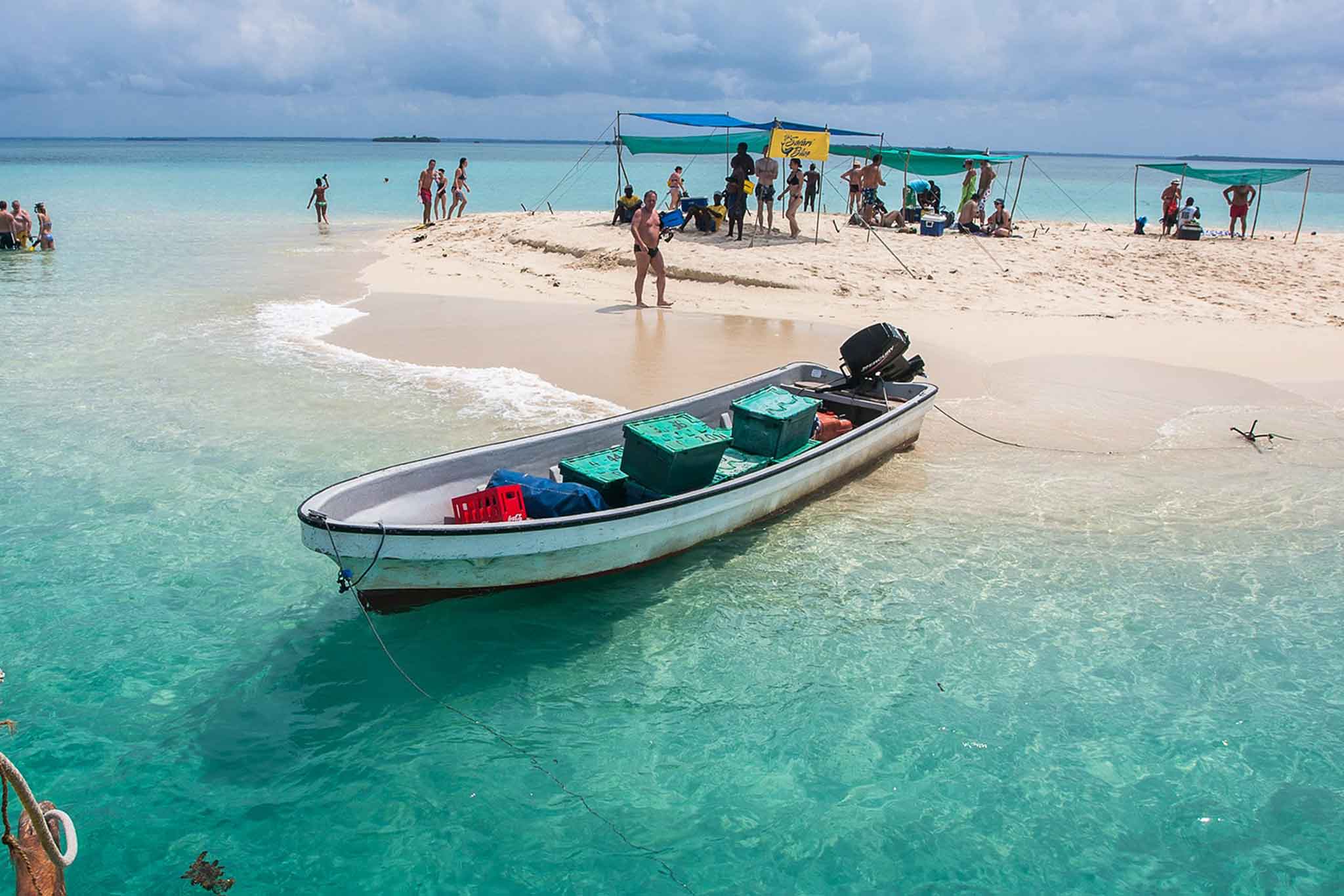
Best Time for Zanzibar Beach Holidays
For those combining safari with relaxation in Zanzibar:
Best months:
June – October
December – February
Perfect for sunshine, swimming, and beach experiences.
When Should You Visit?
Choose June–October if you want:
Best wildlife viewing
Dry weather
Great Migration crossings
Choose November–March if you want:
Fewer crowds
Lower prices
Unique wildlife events
Choose April–May if you want:
Quiet, budget-friendly travel
Lush scenery
Expert Tip from The Woven Experience
The “best time” depends on your priorities.
Some travelers want dramatic wildlife action. Others prefer fewer crowds and more intimate experiences.
At The Woven Experience, we design safaris based on what matters most to you — ensuring your journey is perfectly timed.