
Rongai Route withThe Woven Experience
- Information
- Tour Plan
- Location
- Gallery
- Reviews
- Additional Info
- Similar Tours
- Complete Guide & Expert Insights
What's included
- All camping equipment (tents, sleeping mats, dining tent, portable toilet)
- All meals on the mountain (breakfast, lunch, dinner)
- All park fees for Mount Kilimanjaro
- Fair wages for mountain crew (as per park regulations)
- Government taxes and VAT
- Private toilet tent
- Rescue fees and safety equipment (oxygen cylinder, first aid kit, oxymeter)
- Sleeping bags
- Snacks, energy drinks, and personal items
- Transfers between hotel and mountain gate
- Alcoholic (unless stated)
- International flights
- Optional activities not listed in itinerary
- Personal expenses (laundry, souvenirs, etc.)
- Personal trekking gear
- Pre- and post-climb accommodation (usually 2 nights)
- Services not specifically stated in the itinerary
- Tips for guides, porters, and cook
- Travel insurance (must include high-altitude trekking)
- Visa fees for Tanzania
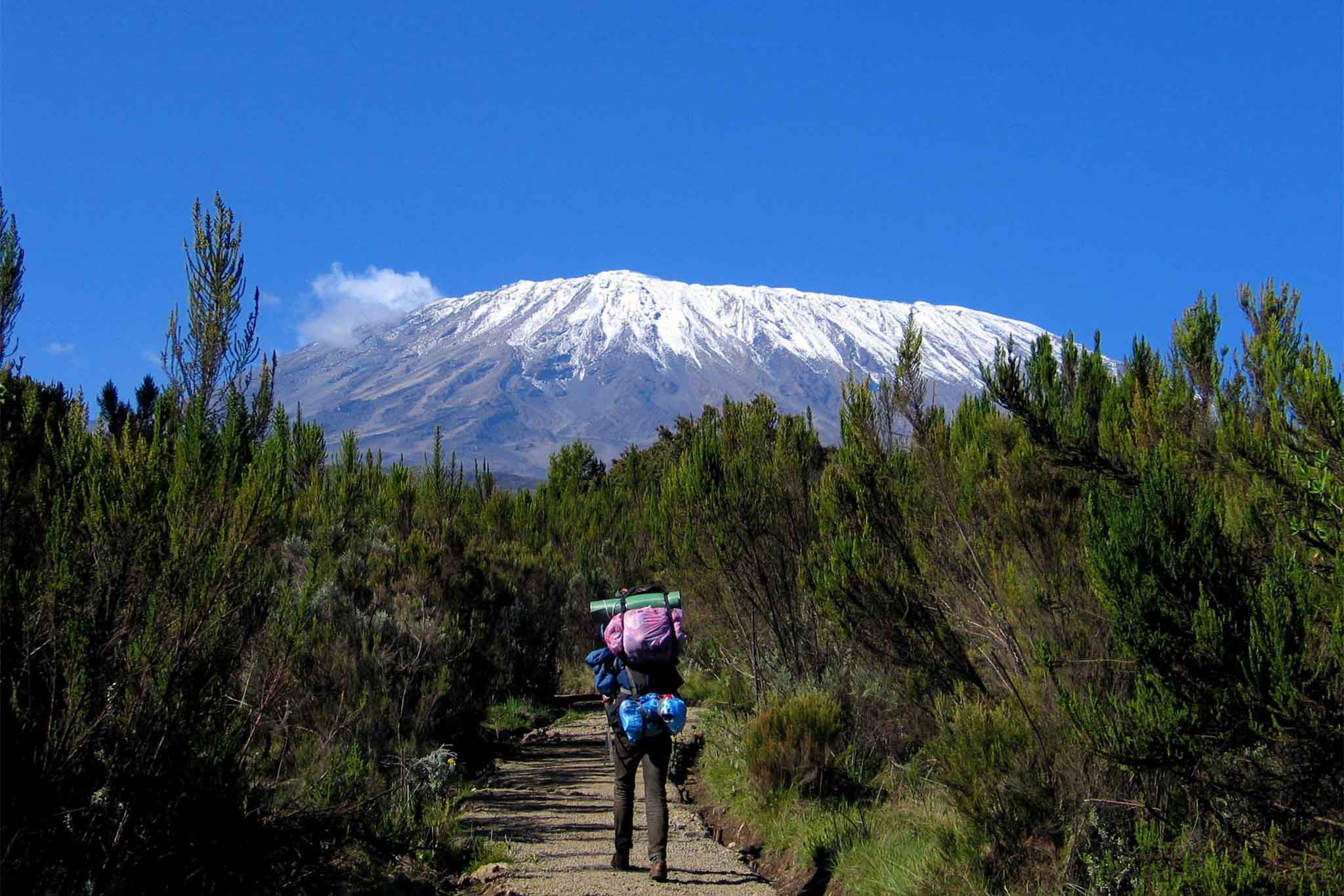 Discover the Rongai Route: Immersive Adventures with The Woven Experience on Kilimanjaro
Embarking on the Rongai Route Kilimanjaro climb with The Woven Experience opens a gateway to one of Tanzania’s most serene and scenic ascents, approaching from the tranquil northern slopes near the Kenyan border. As a dedicated Arusha-based operator committed to sustainable, culturally rich explorations, The Woven Experience blends expert local guidance, eco-conscious practices, and personalized care to create a profound connection with the mountain. This lesser-trodden path captivates with its drier trails, abundant wildlife possibilities, and breathtaking views of Mawenzi Peak, making the 6-day Rongai Route experience ideal for adventurers craving solitude and authentic immersion on the journey to Uhuru Peak.
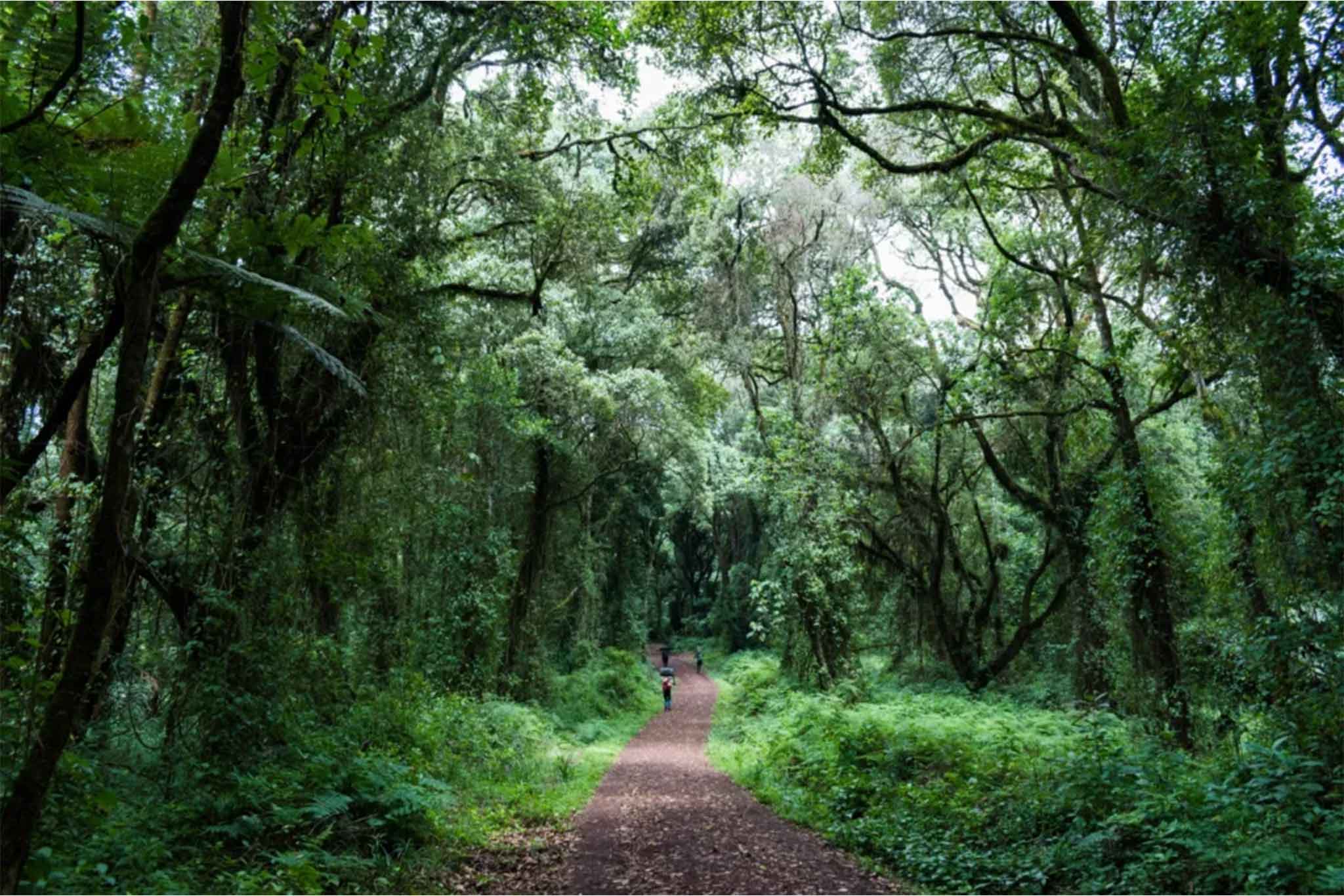
Pine Forests and Rural Charm
The journey begins with a captivating drive from Arusha across expansive rural landscapes, leading into cultivated pine plantations that fringe Kilimanjaro’s northern side. This serene entry immerses you in montane forests alive with birdlife and occasional antelope sightings, where The Woven Experience’s knowledgeable guides share insights into local farming communities and the mountain’s northern mystique.
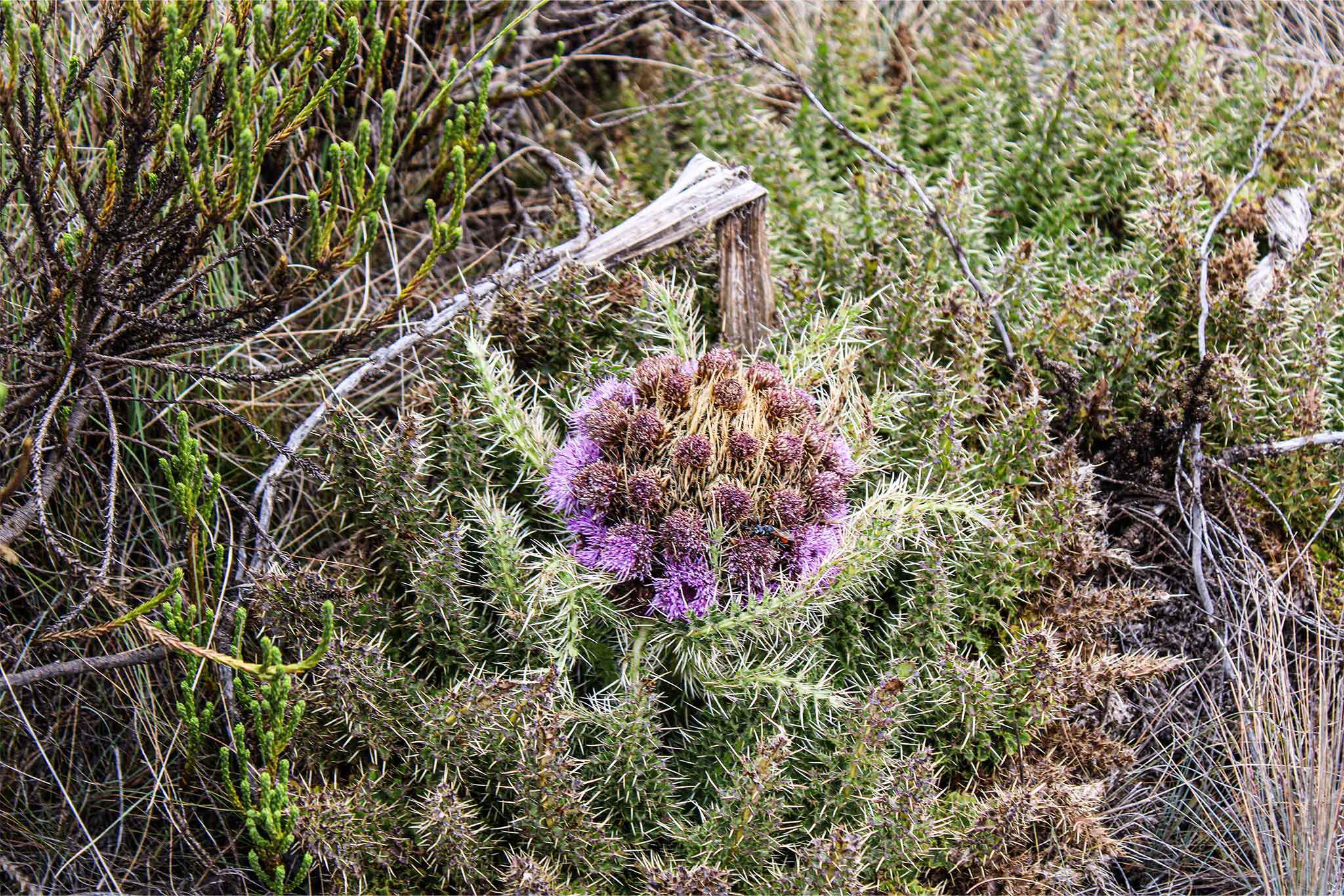 Heather Meadows and Open Vistas
As the terrain unfolds into vast heathlands adorned with giant heathers and seasonal wildflowers, panoramic horizons reveal distant Kenyan plains under expansive skies. This tranquil zone offers a sense of boundless freedom and gentle acclimatization, enhanced by The Woven Experience’s thoughtful camping setups and evening storytelling sessions drawing from Chagga and Maasai traditions.
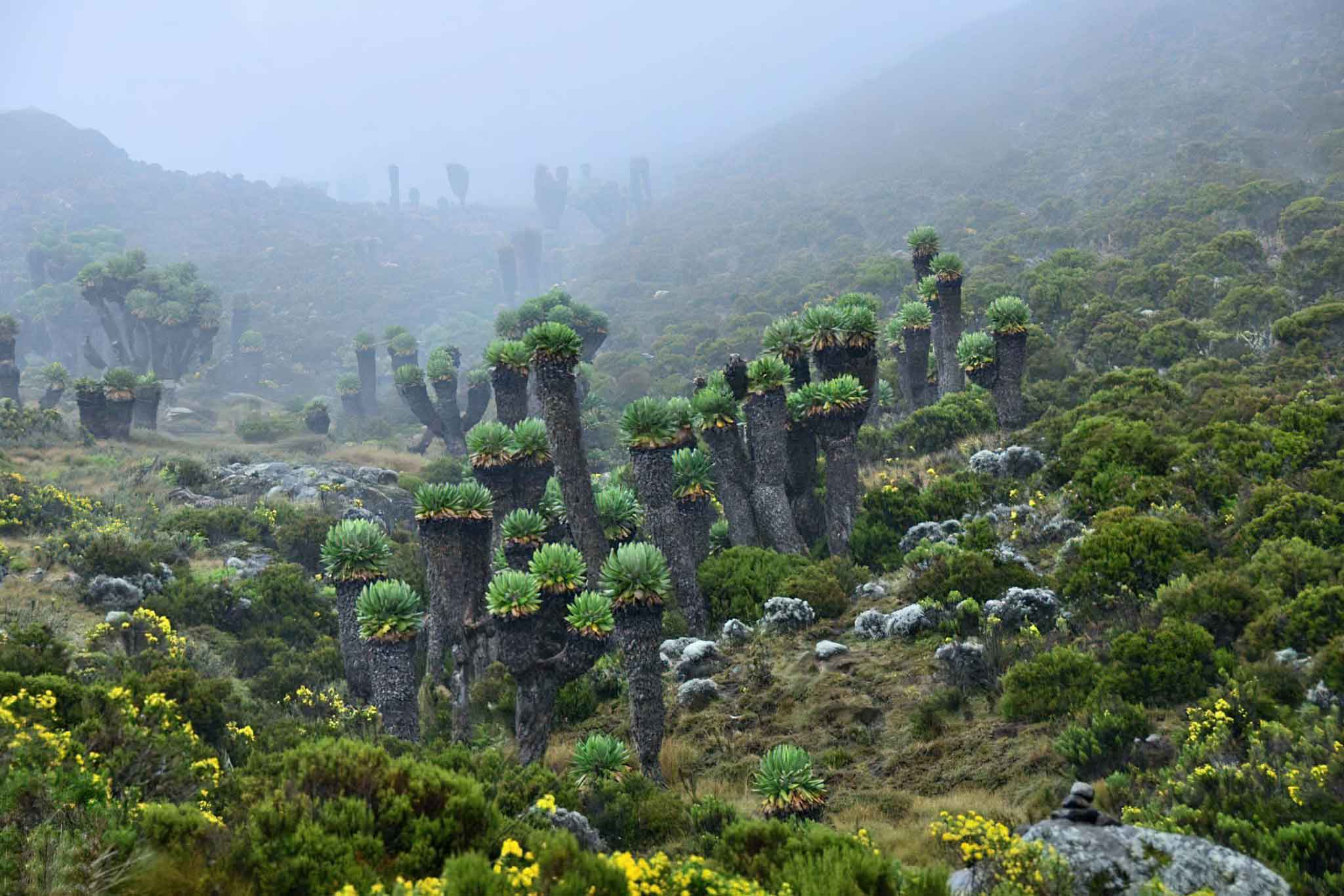
Volcanic Ridges and Tarn Serenity
Nearing the jagged splendor of Mawenzi Peak, sparse alpine vegetation frames crystalline tarn lakes nestled in volcanic craters. The dramatic rock formations and reflective waters create a mesmerizing backdrop for reflection and photography, with The Woven Experience ensuring optimal comfort and health monitoring in this high-altitude haven.
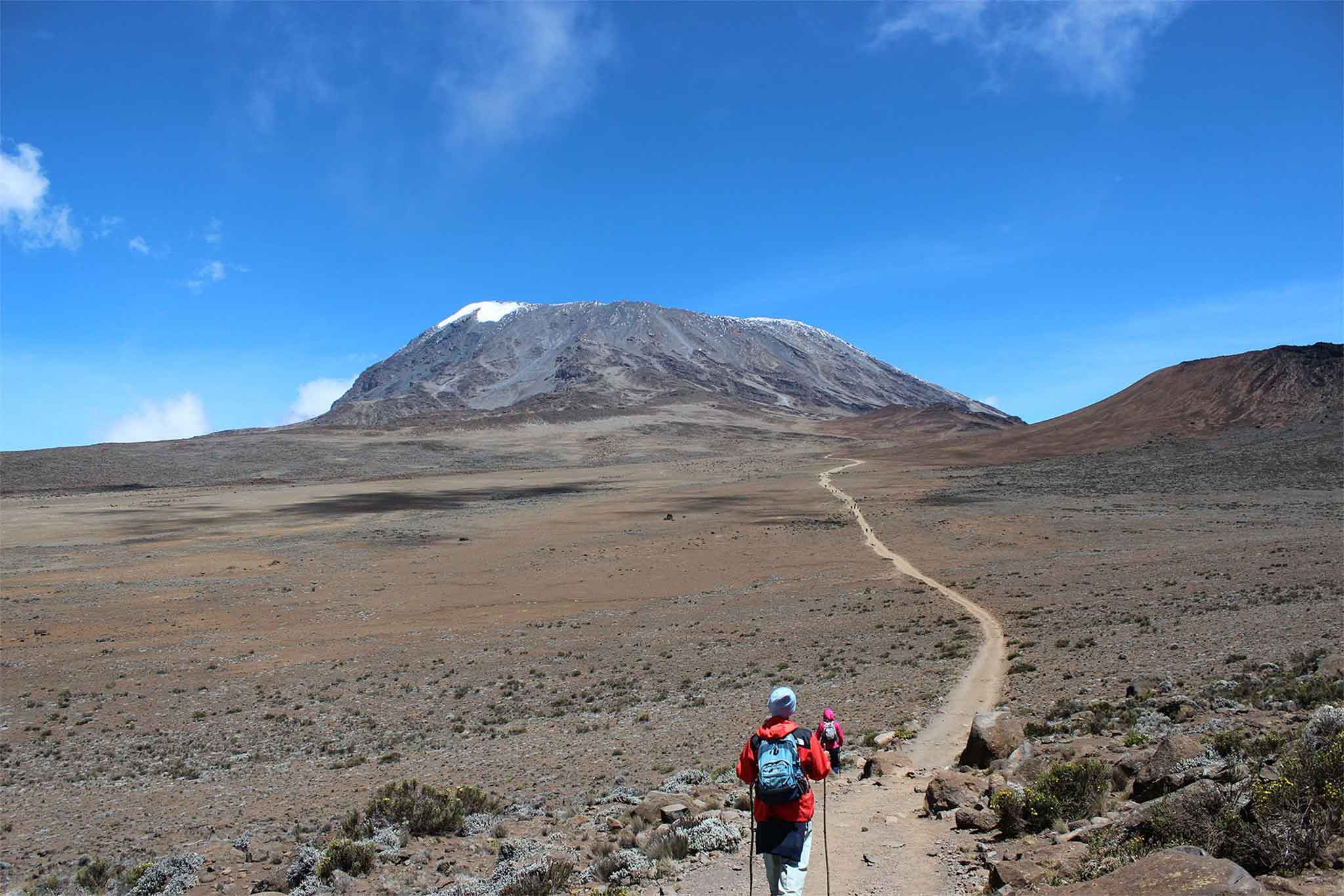
Lunar Deserts and Twin Peak Panoramas
Crossing the expansive alpine desert between Mawenzi and Kibo unveils a stark, moon-like expanse dotted with ancient lava flows. Unobstructed views of both volcanic cones dominate under brilliant starry nights, fostering deep anticipation—perfectly supported by The Woven Experience’s dedicated team and strategic hydration protocols.
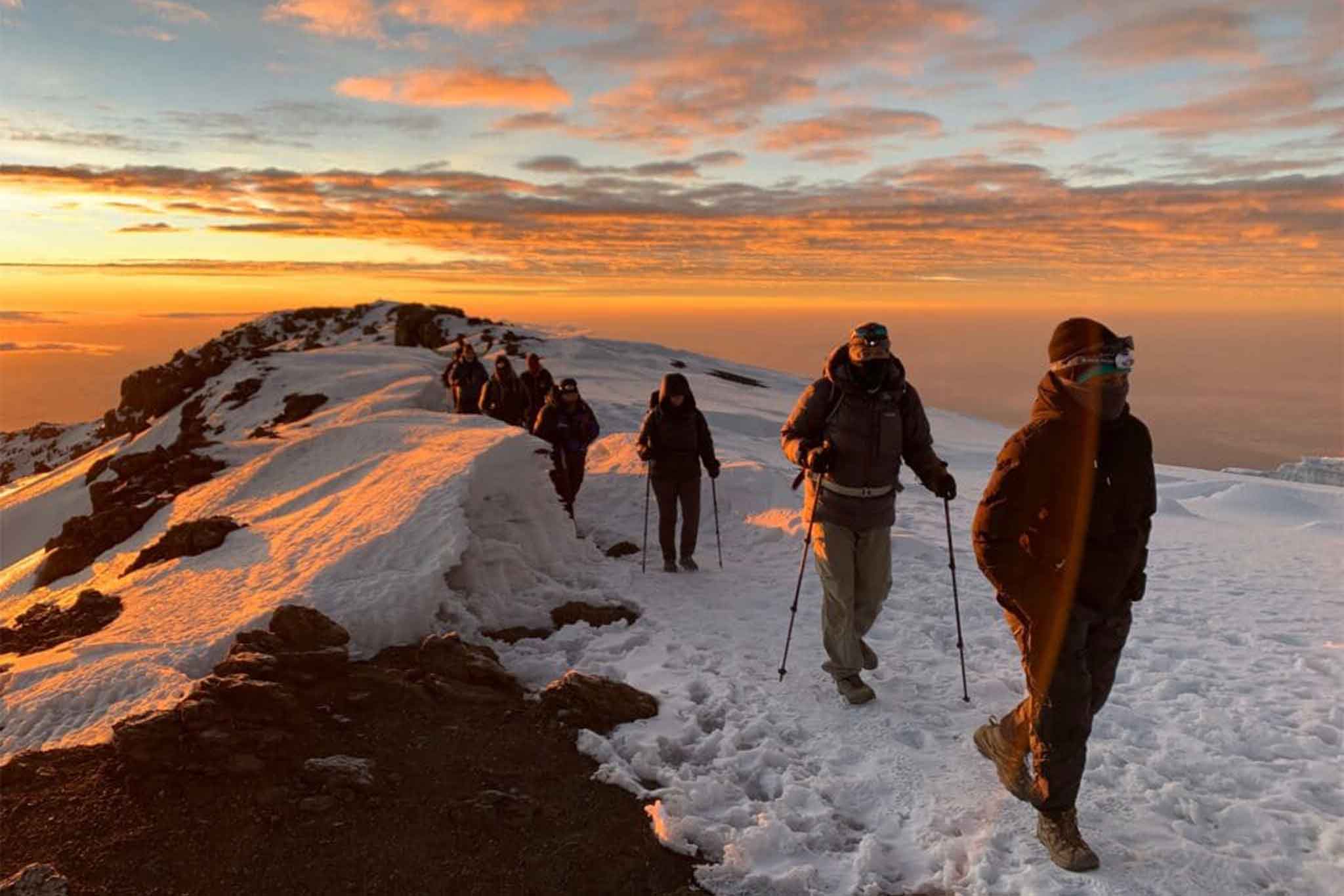
Sunrise at Africa’s Highest Point
The culminating ascent delivers a spectacular sunrise along the crater rim, culminating at Uhuru Peak’s iconic summit with sweeping glacial vistas and a profound sense of accomplishment. This euphoric milestone resonates with emotional depth, celebrated through The Woven Experience’s warm congratulations and cultural acknowledgments of your achievement.
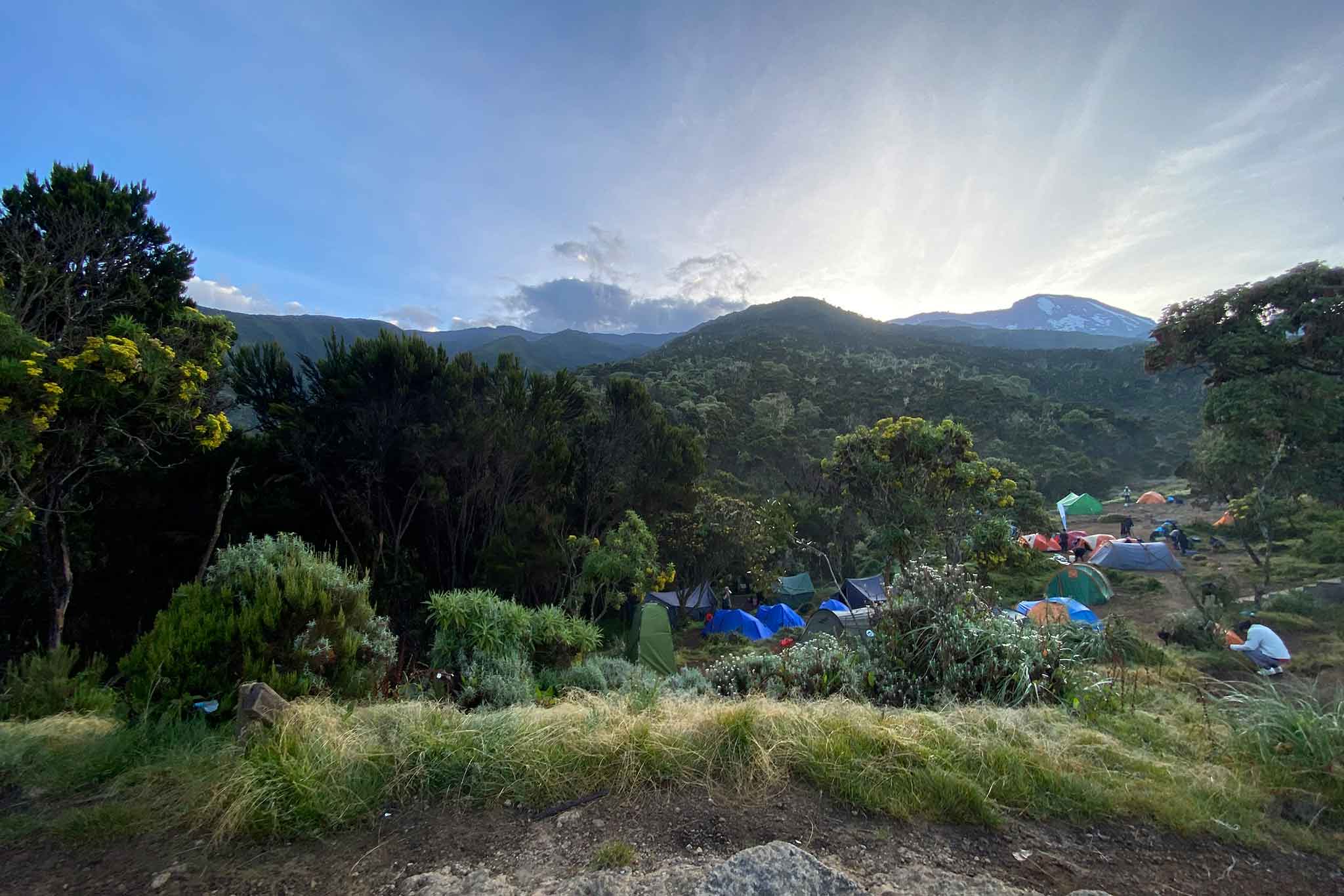
Moorland Renewal and Forest Return
The varied return path winds through rejuvenating moorlands into vibrant rainforests, alive with streams and wildlife echoes on the Marangu side. This gentle closure allows cherished reflections on the diverse ecosystems traversed, ending with a smooth transfer back to Arusha where The Woven Experience offers heartfelt debriefs and lasting connections.
Ready to embrace the Rongai Route with The Woven Experience? This Kilimanjaro trek promises seclusion, stunning northern scenery, and genuine Tanzanian hospitality—reserve your adventure today for an extraordinary ascent to the Roof of Africa.
6 Days Rongai Route — Hiking prices Most popular
Price per person (USD) · 6 days / 5 nights · Park fees, guides, porters & meals included
| Group size | 1 person | 2 people | 3 people | 4 people | 5 people | 6 people | 7+ people |
|---|---|---|---|---|---|---|---|
| Price per person | $2,338 | $1,791 | $1,657 | $1,643 | $1,606 | $1,1500 | $1,480 |
| Total cost | $3,582 | $4,971 | $6,572 | $8,030 | $9,000 | $10,360 | Contact us |
| Savings vs solo | — | $547/pp | $681/pp | $695/pp | $732/pp | $838/pp | $858+/pp |
| 7+ group contact us for a custom quote. Larger groups may receive additional discounts. | |||||||
Ready to climb Kilimanjaro?
Secure your spot today — limited spaces available per departure date.
- Day 1
- Day 2
- Day 3
- Day 4
- Day 5
- Day 6
Rongai Gate (1,950m) → Simba Camp (2,600m)
Distance: 8 km | Hiking Time: 3–4 hours
Habitat: Montane forest / Moorland edge
Your Kilimanjaro journey begins on the remote northern side. After registration at Rongai Gate, the trail ascends gently through farmland and pine forest before transitioning into moorland.
Difficulty: Easy to Moderate – gradual ascent, ideal for a relaxed start
Scenery Highlight: Quiet wilderness, views toward the Kenyan plains
Simba Camp sits on the edge of the moorland zone with expansive views.
Simba Camp (2,600m) → Second Cave Camp (3,450m)
Distance: 6 km | Hiking Time: 4–5 hours
Habitat: Moorland
The trail continues with a steady climb through open moorland. Vegetation becomes sparse, and the terrain opens up with sweeping views.
Difficulty: Moderate – steady altitude gain
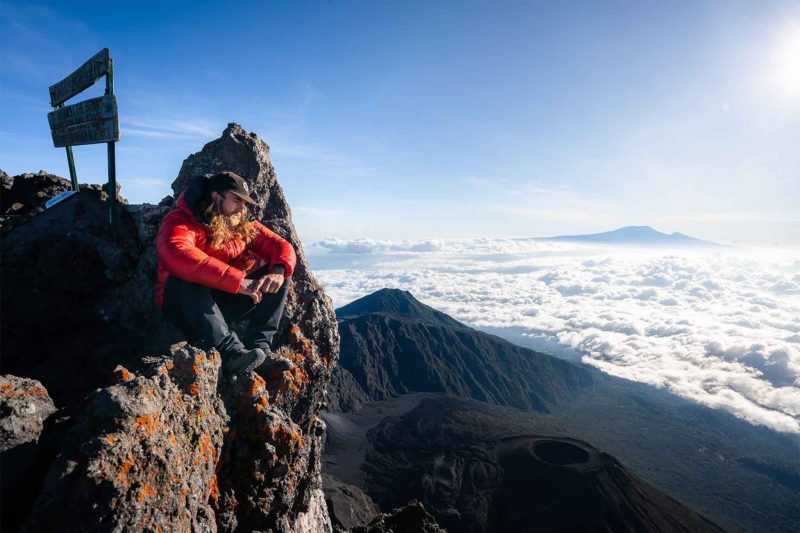
Scenery Highlight: Dramatic views of Mawenzi Peak’s rugged spires
Second Cave Camp offers a quieter, less crowded camping experience.
Second Cave Camp (3,450m) → Kikelewa Camp (3,600m)
Distance: 6 km | Hiking Time: 3–4 hours
Habitat: Moorland / Alpine transition
A shorter day allows for acclimatization as you traverse rolling terrain toward Kikelewa Camp. The route becomes steeper toward the end.
Difficulty: Moderate – short but steeper sections
Scenery Highlight: Close-up views of Mawenzi’s dramatic ridges
Arrive early for rest and acclimatization.
Kikelewa Camp (3,600m) → Mawenzi Tarn Camp (4,330m)
Distance: 5 km | Hiking Time: 4–5 hours
Habitat: Alpine desert
You ascend into a more rugged and rocky environment beneath the towering Mawenzi Peak. The landscape becomes increasingly dramatic.
Difficulty: Challenging – steeper climb at a higher altitude
Scenery Highlight: Mawenzi Tarn, a stunning alpine lake beneath jagged peaks
This is one of the most scenic camps on Kilimanjaro.
Mawenzi Tarn (4,330m) → Kibo Hut (4,703m) → Uhuru Peak (5,895m) → Mweka Camp (3,100m)
Distance: 20+ km | Hiking Time: 12–15 hours
Habitat: Alpine desert → Arctic → Moorland
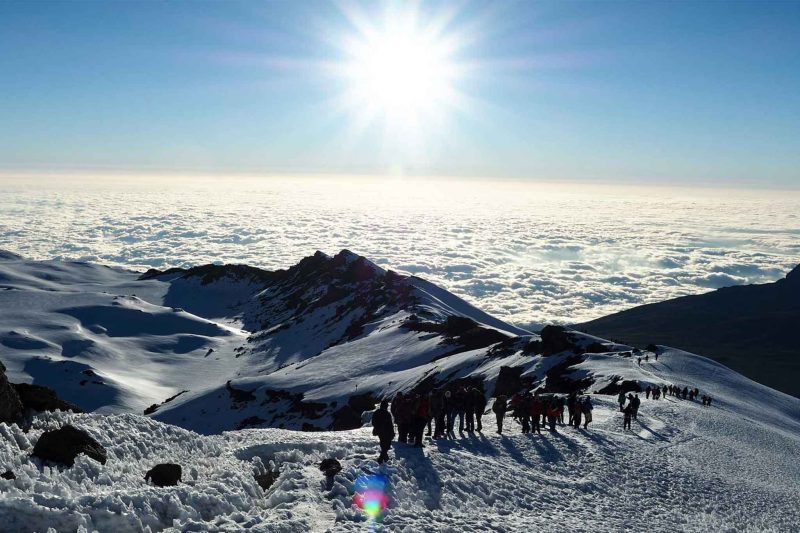
A long and demanding day. You cross the vast saddle between Mawenzi and Kibo to reach Kibo Hut, then begin your summit push around midnight.
Difficulty: Very Challenging – long duration, extreme altitude, cold conditions
Scenery Highlight: Crossing the saddle, summit sunrise over glaciers
After reaching Uhuru Peak, descend to Mweka Camp for rest.
Mweka Camp (3,100m) → Mweka Gate (1,640m)
Distance: 10 km | Hiking Time: 3–5 hours
Habitat: Rainforest
Your final descent leads through lush rainforest, marking a dramatic return to greenery and warmer air.
Difficulty: Easy to Moderate – steady downhill
Scenery Highlight: Dense forest, birdlife, and rich vegetation
At Mweka Gate, you receive your summit certificate and celebrate your achievement.
More about Kilimanjaro National Park Discover Kilimanjaro National Park
More about this tour
Location Overview
This immersive 6-day trek on the Rongai Route explores the remote northern slopes of Mount Kilimanjaro, a vast wilderness landscape located approximately 150–220 km (93–137 miles) northeast of Arusha—the primary safari and trekking gateway at the base of Mount Meru.
Starting from Arusha (1,400 m / 4,600 ft elevation), the journey travels through rural countryside near the Kenyan border, passing maize fields, small villages, and open savannah before reaching the remote Rongai (Nalemoru) Gate. This northern approach is known for its drier climate, gradual ascent, and quieter trails, offering a unique Kilimanjaro experience with fewer crowds and increased chances of wildlife sightings. The route traverses pine forests, open moorlands, alpine desert, and the glacial summit zone, with exceptional views of Mawenzi Peak and the vast plains of Kenya before descending via the lush southern Marangu trail.
Rongai Gate / Nalemoru Gate (1,950 m / 6,400 ft)
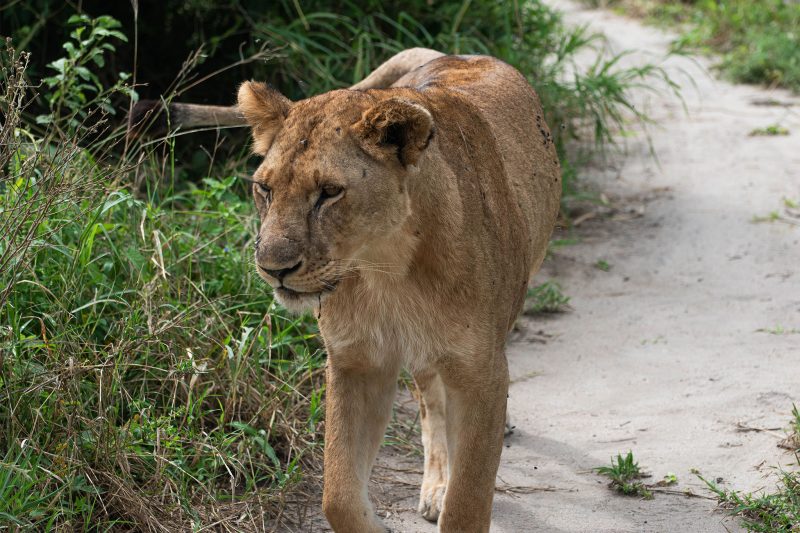
Located in a remote farming region near the Kenyan border, this northern trailhead offers a quiet and less trafficked entry point. The route begins through cultivated farmland and pine plantations, with opportunities to spot colobus monkeys and occasionally larger wildlife such as antelope.
Simba Camp (2,600 m / 8,530 ft)
Positioned at the transition between montane forest and moorland, Simba Camp offers sheltered campsites with sweeping views across the Kenyan plains. The landscape begins to open, signaling the shift into higher altitude terrain.
Kikelewa Camp (3,600 m / 11,810 ft)
Set within expansive heathlands, this camp is surrounded by giant heathers and seasonal wildflowers. The area provides panoramic views of Kibo’s summit cone and the eastern icefields, offering a peaceful and scenic acclimatization environment.
Mawenzi Tarn Camp (4,330 m / 14,200 ft)
Nestled beneath the dramatic, jagged spires of Mawenzi Peak, this camp is one of the most scenic on Kilimanjaro. A small alpine tarn lake sits within a sheltered valley, surrounded by volcanic ridges and sparse alpine vegetation, creating a striking and serene atmosphere.
Kibo Hut & Saddle (4,700 m / 15,420 ft)
Situated at the base of Kibo’s crater wall, Kibo Hut lies within the vast Saddle—a barren, lunar-like alpine desert between Mawenzi and the main summit cone. This exposed terrain offers a stark contrast to earlier landscapes and serves as the staging point for the summit push.
Uhuru Peak (5,895 m / 19,340 ft)
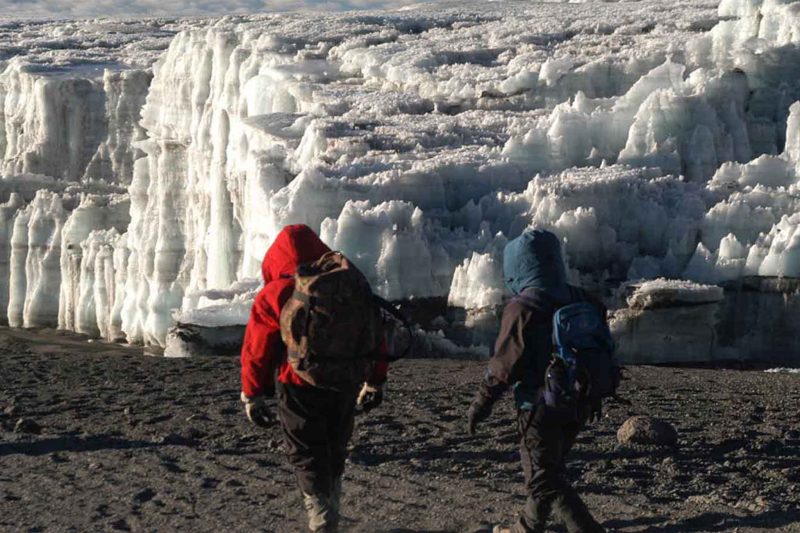
The highest point in Africa, located on the crater rim of Kibo. The summit features breathtaking panoramic views over glaciers, cloud formations, and the vast landscapes of Tanzania and Kenya. This arctic zone is characterized by extreme conditions and iconic ice fields.
Horombo Hut (3,720 m / 12,205 ft – Descent)
Located on the southern slopes during descent, Horombo sits in a moorland zone with sweeping views back toward the summit. The vegetation becomes richer again, with giant lobelias and groundsels reappearing.
Marangu Gate (1,980 m / 6,500 ft – Exit)
The southern exit point of the climb, where the trail returns to dense rainforest. The descent through lush greenery marks the completion of the journey and a return to warmer, oxygen-rich conditions.
Geography & Access
Terrain:
A diverse mix of pine and montane forests, heather moorlands, alpine desert landscapes with giant senecios, and arctic glacial zones near the summit—offering a quieter and more gradual ascent profile compared to southern routes.
Altitude Range:
1,950–5,895 m (6,400–19,340 ft), with a steady and manageable gradient ideal for acclimatization.
Travel Times (from Arusha):
Rongai Gate: 4–5 hours by 4x4 vehicle (often via Marangu for registration)
Marangu Gate (exit): 2–3 hours return to Arusha or Moshi
Gateway:
Kilimanjaro International Airport (JRO) → Arusha (approximately 45–60 minutes transfer), with seamless onward access to the northern trailhead.
Seasonality:
The Rongai Route is accessible year-round and is particularly favorable during the rainy seasons due to its rain-shadow effect, which keeps the northern slopes drier than other routes. Dry seasons (June–October and January–February) offer clear skies and stable trekking conditions, while wetter months bring greener landscapes and fewer climbers, with occasional snow at higher elevations during transitional periods.
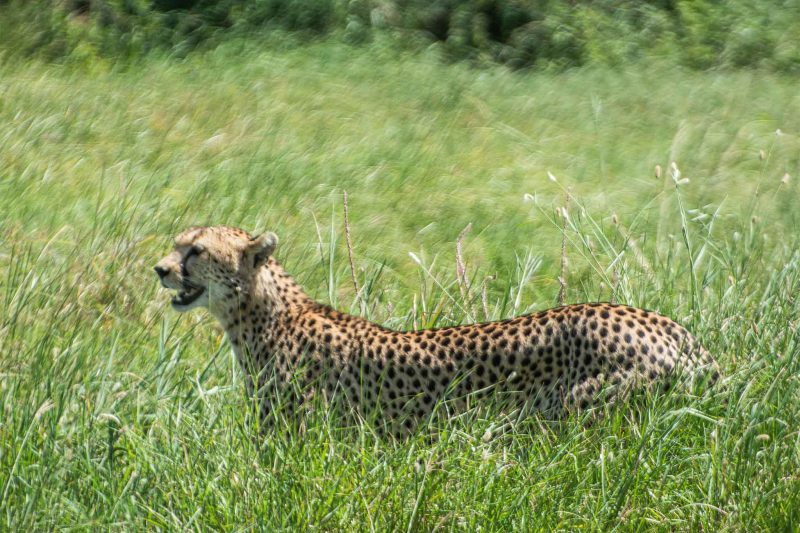
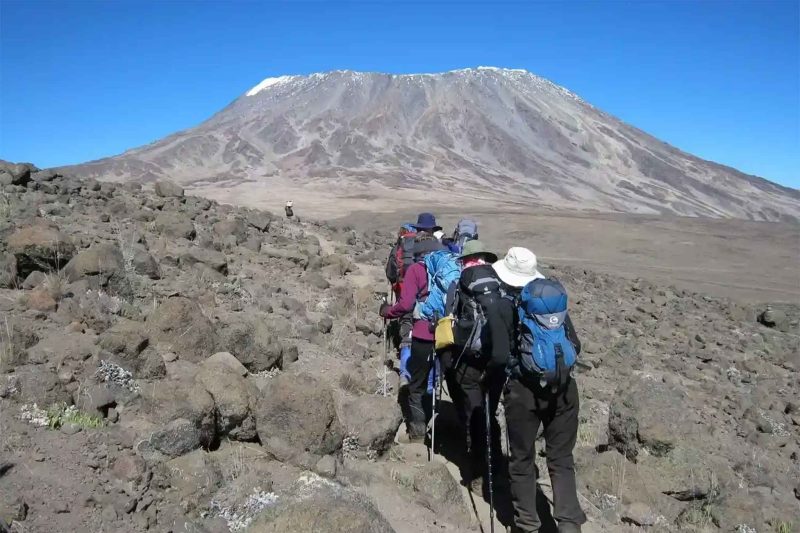
6-Day Rongai Route Kilimanjaro Hike
Climbing Mount Kilimanjaro via the remote and scenic Rongai Route offers a unique northern approach to Africa’s highest peak. Known for its drier conditions and quieter trails, the 6-day Rongai Route is perfect for trekkers seeking a more peaceful, less crowded Kilimanjaro experience with a gradual ascent profile.
With The Woven Experience, your Rongai climb is carefully curated for safety, comfort, and a deeply immersive mountain journey.
Weather on Kilimanjaro Throughout the Year
Kilimanjaro’s weather varies by altitude, but the Rongai Route—on the northern side—tends to be drier and less affected by rain.
Temperature Zones:
Lower Slopes: Warm and dry
Mid-Mountain: Cooler with open landscapes
Summit Zone: Freezing (-10°C to -20°C / 14°F to -4°F)
Seasonal Overview:
January–March: Clear skies, moderate temperatures, occasional summit snow
April–May: Rainy season (less impact on Rongai compared to southern routes)
June–October: Dry season, best trekking conditions
November–December: Short rains, quieter trails
Take advantage of Rongai’s unique weather advantage—contact us to plan your ideal trekking dates.
A Short Expert Guide to the Rongai Route
The Rongai Route begins near the Kenyan border and is the only Kilimanjaro route approaching from the north.
Route Highlights:
Remote wilderness with fewer crowds
Gradual ascent profile—great for acclimatization
Stunning views of Mawenzi Peak
Descent via the Marangu Route for varied scenery
Difficulty Level: Moderate
Success Rate: Good, especially with proper pacing
Want a quieter Kilimanjaro experience? Book your Rongai Route trek today.
Expert Recommendations
Our guides recommend the Rongai Route for trekkers who value peaceful trails and steady acclimatization.
Top Expert Tips:
Ideal during rainy seasons due to drier conditions
Maintain a steady “pole pole” pace
Stay consistent with hydration and nutrition
Consider adding an extra day for even better acclimatization
Not sure which route fits you best? Speak with our Kilimanjaro experts for tailored advice.
How to Prepare for the Rongai Route
Preparation ensures both success and enjoyment on your Kilimanjaro adventure.
Physical Training
Cardio workouts (hiking, jogging, cycling)
Endurance training with longer hikes
Strength training for legs and stability
Gear Essentials
Waterproof hiking boots
Layered clothing system
Insulated summit gear
Mental Preparation
Prepare for multiple days of trekking
Stay patient and consistent
Focus on gradual progress
Book with us and receive a complete Kilimanjaro training plan & packing checklist.
Seasonal Highlights on the Rongai Route
Each season offers a different experience on the mountain:
June–October: Clear skies and excellent trekking conditions
January–March: Fewer climbers and beautiful summit snow
April–May: Best route during rains due to the drier northern side
November–December: Quiet trails and lush surroundings
Discover the best season for your climb—we’ll help you plan the perfect adventure.
Best Time to Hike the Rongai Route
Best Periods:
June to October: Ideal weather and visibility
January to March: Great alternative with fewer crowds
Unique Advantage:
April–May: Still viable due to lower rainfall compared to other routes
Secure your preferred dates—Rongai is perfect for those seeking a quieter Kilimanjaro climb.
Why Hike with The Woven Experience?
Climbing Kilimanjaro is a once-in-a-lifetime journey—and the right team makes all the difference.
What Sets Us Apart:
Experienced, certified local guides
High summit success rates
Personalized pacing and attention
Advanced safety equipment and monitoring
Ethical porter treatment and sustainable practices
Authentic storytelling and cultural connection
Climb with confidence—start your Kilimanjaro journey with The Woven Experience today.
Private Hikes vs Group Climbs
Private Hikes (Solo or With Your Group)
Best for:
Couples, families, or friends
Travelers seeking flexibility and privacy
Advantages:
Customized itinerary and pace
Dedicated guide support
Greater comfort and exclusivity
Group Climbs (Join Other Travelers)
Best for:
Solo travelers
Budget-conscious adventurers
Social experiences
Advantages:
Shared costs
Group motivation and camaraderie
Opportunity to meet new people
Whether you prefer a private expedition or a shared group climb, we’ll tailor the perfect Kilimanjaro experience. Enquire now to reserve your spot.
Start Your Rongai Adventure Today
The 6-day Rongai Route offers a quiet, scenic, and well-paced journey to the summit of Mount Kilimanjaro. With expert guidance and proper preparation, reaching Uhuru Peak becomes an achievable and unforgettable goal.
Ready to climb Kilimanjaro? Contact The Woven Experience today and begin your journey to the Roof of Africa.





There are no comments yet.