
SAFARI GATEWAY
Amazing Arusha
- Information
- Tour Plan
- Location
- Gallery
- Reviews
- Additional Info
- Similar Tours
What's included
- A guided tour of important places
- Entrance tickets to monuments and museums
- Observation and participation in allowed activities
- Professionally guided tour
- Departure Taxes or Visa handling fees
- Excess baggage charge
- Meals, unless expressly states
- Medical insurance and emergency insurance
- Other International flights
- Personal expenses
- Services not specifically stated in the itinerary
- Tips to guide and driver
- Visa arrangements
Overview
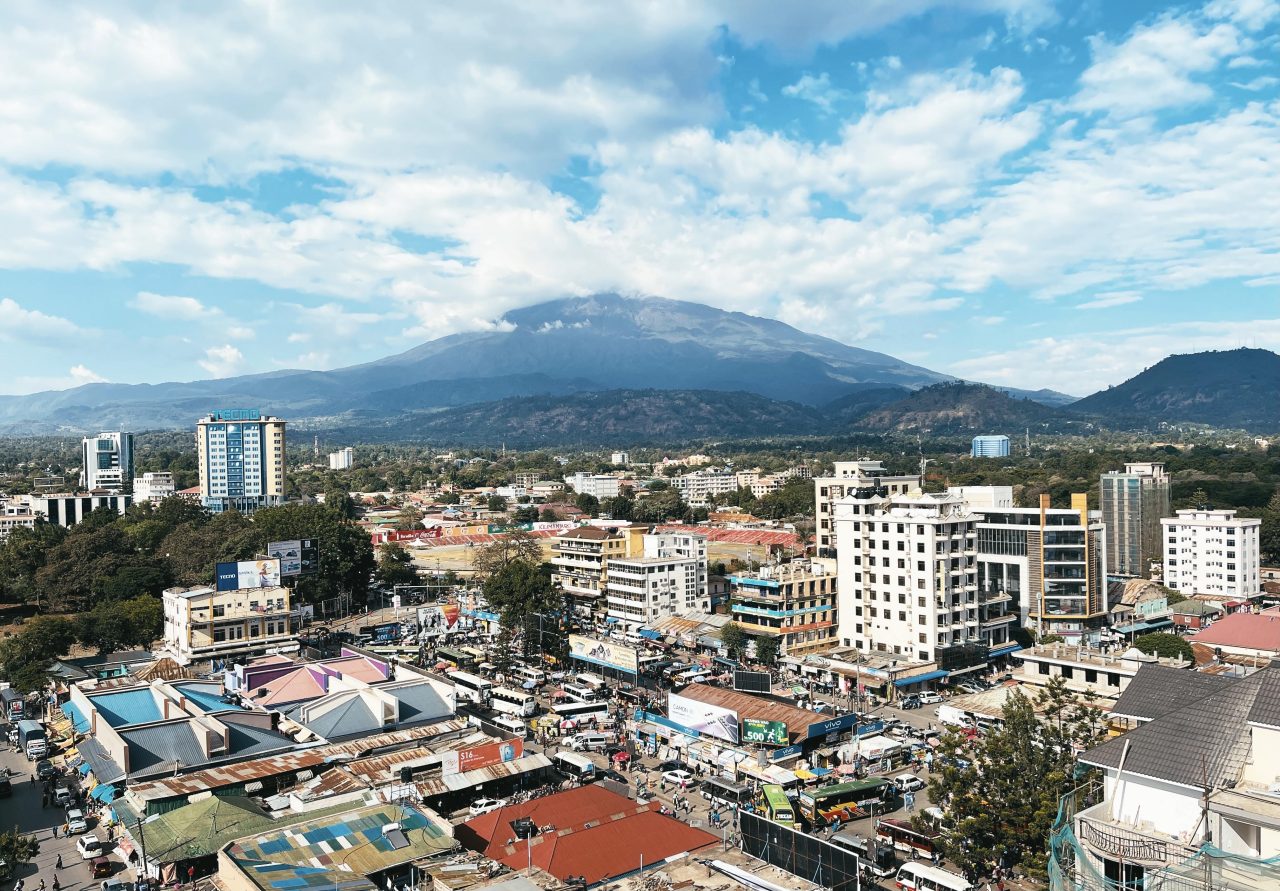
Nestled in the foothills of Mount Meru in northern Tanzania, Arusha is a bustling city often referred to as the “Safari Capital of East Africa.” With a population of around 600,000 (as of 2025 estimates), it serves as the launchpad for iconic wildlife adventures in nearby Serengeti, Ngorongoro Crater, and Tarangire National Park. Blending colonial echoes, indigenous traditions, and modern energy, Arusha offers a microcosm of Tanzania’s diverse spirit—perfect for travelers seeking cultural immersion before or after a safari.
Location
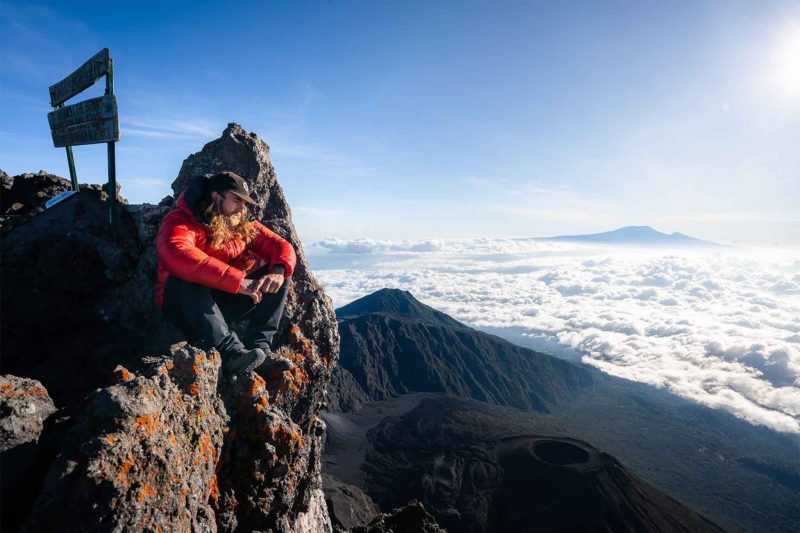
Arusha sits at an elevation of about 1,350 meters (4,430 feet) above sea level, in the Great Rift Valley, just 100 kilometers (62 miles) South of the Kenyan border town, Namanga. It’s strategically positioned 45 kilometers (28 miles) from Kilimanjaro International Airport, making it an ideal hub for international arrivals. Surrounded by lush coffee plantations, misty highlands, and the snow-capped peak of Mount Meru (4,562 meters/14,977 feet), the city’s temperate climate—averaging 20–25°C (68–77°F) year-round—provides a refreshing contrast to Tanzania’s coastal heat. Its proximity to Lake Manyara, Tarangire and the Arusha National Park (home to giraffes and black-and-white colobus monkeys) enhances its appeal as a nature lover’s base.

History Before Independence
Arusha’s story begins with the Maasai and Arusha peoples, who settled the fertile lands in the 19th century, herding cattle and farming. The town’s name itself is derived from the Maasai word “A-Ruaha,” meaning “place of water sources.” European colonization arrived in the 1890s when German forces established a military outpost here, drawn by its strategic location on trade routes. By 1900, it became a district center in German East Africa, with the construction of the Old Boma (a fortified administrative building) symbolizing colonial control. The city grew as a railway hub connecting Dar es Salaam to the interior. During World War I, Arusha saw intense fighting between German and British forces; after the war, it fell under British mandate as Tanganyika Territory in 1919. The British developed it into an administrative and agricultural center, planting coffee estates and building schools, but it remained a quiet colonial backwater until the mid-20th century.

History After Independence
Tanzania’s independence in 1961 marked a turning point for Arusha. Under President Julius Nyerere, the city became a symbol of national unity and Pan-Africanism. In 1967, Nyerere delivered the Arusha Declaration at the Old Boma, outlining Ujamaa (African socialism)—a blueprint for self-reliance, land reforms, and villagization that reshaped Tanzania’s economy. Arusha hosted the East African Community headquarters until its 1977 collapse and, in 1994, the International Criminal Tribunal for Rwanda (ICTR), earning it the moniker “Geneva of Africa” for its diplomatic role. Post-independence growth was steady but challenged by economic hardships in the 1970s–80s; liberalization in the 1990s spurred tourism and trade, transforming Arusha from a sleepy town into a dynamic regional center.

Modern-Day Arusha
Today, Arusha is Tanzania’s fourth-largest city and a UNESCO Creative City of Gastronomy (designated in 2019), celebrated for its fusion of Swahili, Indian, and international cuisines. As of 2025, it’s undergoing rapid urbanization with infrastructure upgrades, including expanded roads and the Arusha City Master Plan aiming for sustainable growth by 2030. The city balances its safari-tourism boom—welcoming over 1 million visitors annually. Recent developments include eco-friendly initiatives, such as solar-powered markets and green belts around Mount Meru, positioning Arusha as a model for African urban sustainability amid climate change.
The People Living in the City
Arusha’s population is a vibrant mosaic: Maasai (known for their red shuka robes and beadwork), and Meru farmers, and the rest a mix of other local ethnic groups along with Indians (descendants of colonial traders), Arabs, and expatriates from Europe and the U.S. Swahili is the lingua franca, with English widely spoken in tourist areas. The community is youthful—over 60% under 25—and entrepreneurial, with women playing key roles in markets and crafts. Inter-ethnic harmony prevails, though rapid growth has led to informal settlements on the outskirts. Locals pride themselves on “Pole Pole” (slowly, slowly) philosophy, fostering a warm, hospitable vibe that welcomes visitors into home-cooked ugali meals or impromptu ngoma dances.
Economic Activities
Tourism drives 70% of Arusha’s economy, with safari operators, hotels, and craft shops thriving along Uhuru Road. Agriculture remains vital: coffee, bananas, and maize from surrounding plantations fuel export markets, while flower farms supply Europe. The city hosts the Kili Fair annually and gemstone trading (Tanzanite from nearby Mererani). Emerging sectors include ICT hubs and light manufacturing, like textile weaving. Unemployment hovers at 10–15%, but microfinance and cooperatives empower small traders. In 2025, green tourism initiatives—such as carbon-offset safaris—boost sustainability, while the East African Court of Justice adds legal diplomacy jobs.
Streets and Buildings
Arusha’s streets pulse with life: the central Clock Tower marks the crossroads of Sokoine Road and Uhuru Street, where Daladalas (minibuses) honk amid vendors hawking roasted maize. Paved avenues mix with dusty side lanes lined by single-story Swahili-style homes of coral stone and thatch. Colonial relics stand out—the German-built Old Boma (now a museum) with its arched verandas, British-era post office, and the 1960s Arusha Declaration Monument of concrete sculptures. Modern high-rises, like the Ngorongoro Conservation Authority building, cluster in the business district, while outskirts feature colorful mosques, churches, and modern local houses. Street art murals depicting wildlife add flair, though potholes and informal kiosks reflect ongoing urban flux.
Day-to-Day Life and Culture
Daily life in Arusha revolves around community and rhythm. Mornings start with chai (spiced tea) at roadside shops, followed by market haggling at the Arusha Central Market for food and household supplies and other shops for kitenge fabrics or local restaurants serving nyama choma (grilled meat) and chipsi mayai (fries with omelet). Afternoons bring schoolchildren in uniforms streaming past, while farmers truck produce to the city wholesale yards and markets. Culture shines through festivals and music nights blending bongo flava, afro beats and Western beats. Cuisine highlights pilau rice, meat skewers, BBQ and local beers like Safari, Kilimanjaro, and Serengeti lagers; family meals emphasize ubuntu-style sharing. Artisans at the Cultural Heritage Centre carve ebony figurines, and ngoma drum circles echo in evenings. Religion weaves in—Friday prayers in Mosques, Sunday hymns in churches—fostering tolerance in this multi-faith hub.
Night Life, Recreation, and Amenities
As dusk falls, Arusha’s nightlife ignites with laid-back energy. Bars thump with Afrobeat and live bongo flava, while upscale spots such as The Rooftop Bar at the Gran Melia offer sunset gin-tonics overlooking Mount Meru. Night markets glow with lantern-lit grills, and occasional comedy shows at the Alliance Française draw crowds. Recreation includes hiking Mount Meru’s trails (guided treks via Arusha National Park), golf at the Arusha Coffee Plantation course, or hot-air balloon rides at dawn. Amenities abound: modern malls like Shoppers Plaza for international brands, hospitals (e.g., Arusha Lutheran Medical Centre) with 24/7 ERs, and reliable ATMs. For relaxation, spas at lodges like Arusha Coffee Lodge provide massages, and Lake Duluti (10 km away) offers kayaking. Safety is generally good in tourist zones, with ride-hailing apps like Bolt.
Arusha encapsulates Tanzania’s soul—where ancient trails meet modern dreams, inviting you to linger before your next adventure. Whether strolling its markets or toasting at twilight, this city rewards the curious traveler with endless stories.
- Arusha City Tour Plan
- Destinations
- Description
- Clock Tower
- The Old Boma
- Arusha Declaration Monument
- Arusha Central Market
- Country Bus Station
- Cultural Heritage Center
- What to Bring:
- Activities:
- Best Time:
Duration:
Half-day (approximately 4-6 hours)
Clock Tower, The Old Boma, Arusha Declaration Monument and Museum, Arusha Central Market, Country Bus Station area, Cultural Heritage
Discover the heart of Arusha with this engaging city tour, perfect for history buffs and cultural enthusiasts. Dive into Arusha's rich past, vibrant markets, and iconic landmarks in the city center, all while enjoying insightful narratives from a local guide. Ideal for travelers seeking authentic Arusha attractions, historical insights, and bustling market experiences in Tanzania's safari gateway.
Begin your Arusha City Tour at the iconic Clock Tower, a central landmark symbolizing the city's colonial history and its role as the midpoint between Cairo and Cape Town. Your English-speaking guide will share fascinating stories about Arusha's evolution from a German colonial outpost to a thriving Tanzanian hub.
Proceed to The Old Boma, a historic German fort turned museum, where you'll explore exhibits on Arusha's early days, wildlife, and ethnography, offering a deep dive into the region's colonial and natural heritage.
Visit the Arusha Declaration Monument and Museum, commemorating Tanzania's post-independence era and Julius Nyerere's pivotal 1967 declaration on socialism and self-reliance— a must-see for understanding modern Tanzanian history.
Head to the bustling Arusha Central Market, a vibrant hub of local life where you can immerse yourself in colorful stalls selling fresh produce, spices, crafts, and souvenirs, experiencing the everyday rhythm of Arusha markets.
Pass by the lively Country Bus Station and the surrounding busy business area, witnessing the dynamic energy of local commerce, transportation, and street life that defines Arusha's urban pulse.
Conclude at the Cultural Heritage Center, a treasure trove of Tanzanian art, carvings, and gemstones, where you can browse galleries and shops showcasing the country's artistic legacy.
- Passport
- Camera
- Comfortable clothes
- Cash
Guided walking tours, historical site visits, market exploration, cultural insights.
Year-round, with pleasant weather from June to October for comfortable strolling.
More about Arusha
Travelicious Review
Tanzania’s vibrant safari capital, nestled at the foot of Mount Meru and gateway to the Serengeti and Ngorongoro. From the iconic Clock Tower to artisanal tanzanite galleries, Arusha is where wilderness adventure meets cultural crossroads—compact, cosmopolitan, and always ready for the next safari departure.
More about this tour
Compact yet cosmopolitan, Arusha blends colonial-era bomas, glass-fronted banks, and open-air markets into a lively urban mosaic. Soko Kuu (Central Market) pulses with Maasai beads, fresh coffee, and Swahili chatter, while the Arusha Declaration Monument stands as a reminder of Tanzania’s socialist roots. Leafy suburbs like Njiro and Sakina house expats, NGOs, and safari outfitters, giving the city a distinct international flavor.





There are no comments yet.