FIRST MINUTE
Price
$490 per person
Duration
4 Days
Destination
More than 1
Travellers
1+

Tarangire, Ngorongoro & Serengeti Value Migration Preview with The Woven Experience

This 4-day budget classic delivers an affordable yet thrilling introduction to Tanzania’s Northern Circuit, packing Tarangire’s elephant super-herds, Central Serengeti’s resident Big Cats and migration preview, and Ngorongoro Crater’s unmatched Big Five density into one seamless road-only journey from Arusha
  • Information
  • Tour Plan
  • Location
  • Gallery
  • Reviews
  • Additional Info
  • Similar Tours
Best Budget Tanzania Safari 4 Days | All-Year-Round Road-Only Northern Circuit | Serengeti Migration Preview on a Budget

What's included

Destination
Ngorongoro Conservation Area , Serengeti National Park , Tarangire National Park Discover Destinations
Departure Location
Arusha
Return Location
Arusha
Tour Start Date & Time
Everyday at 06:30
Price includes
  • Unlimited bottled water
Price does not include
  • Visa arrangements
Additional Prices
Hot Air Balloon Safari over Serengeti – (Day 3 dawn, replaces morning drive): $599 Olduvai Gorge Museum Stop en route – Price per group: $40 Maasai Boma Cultural Visit – Price per group: $50

Elephant Paradise

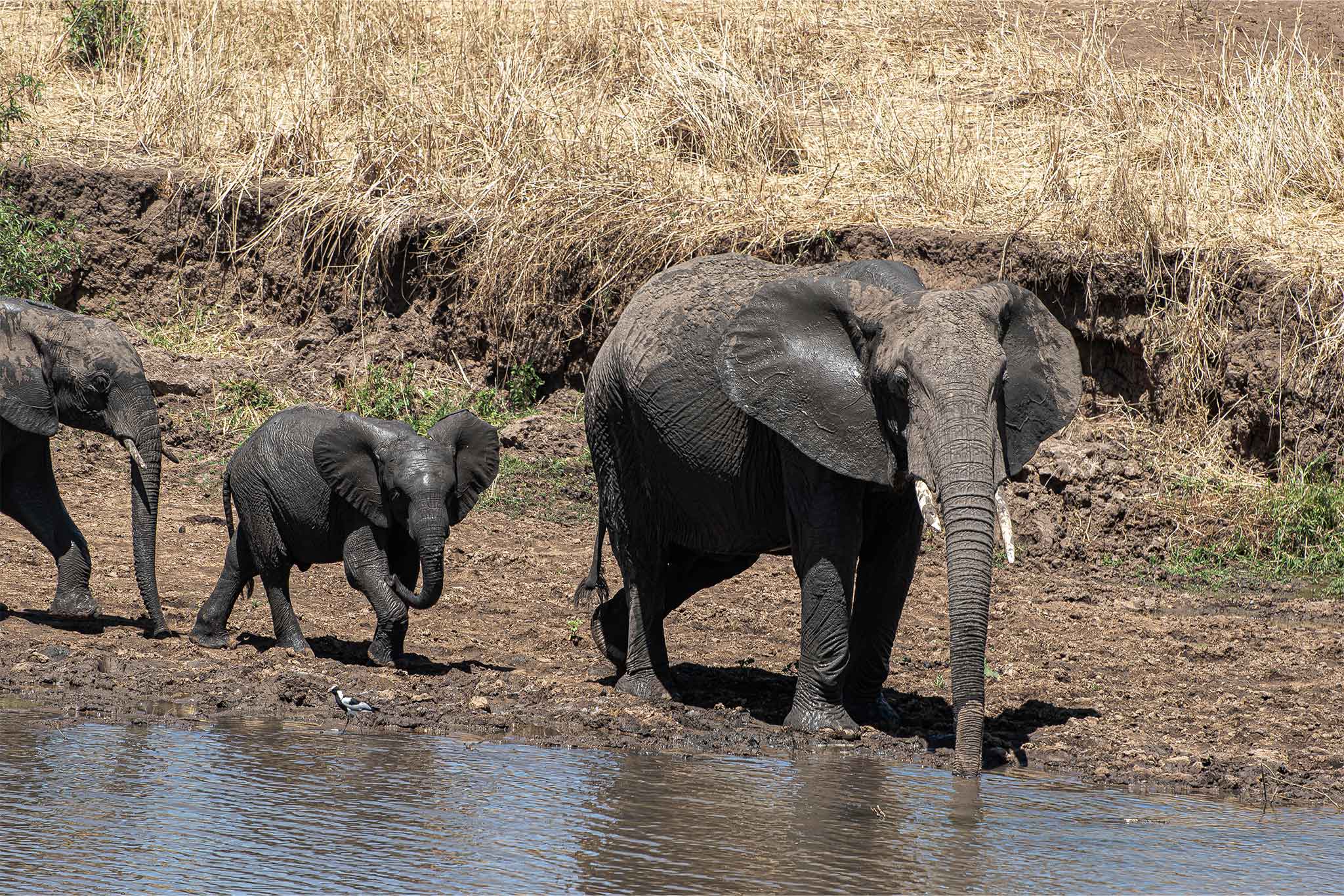
After a scenic 2.5-hour drive from Arusha, dive straight into Tarangire’s baobab-studded savannah. Known as Tanzania’s “Tree of Life” park, Tarangire boasts the country’s highest elephant density—up to 3,000 individuals—plus lions, leopards, pythons in sausage trees, and over 550 bird species. Full-day game drive with picnic lunch by the Tarangire River, overnight at budget-friendly Panorama Camp or similar.
The Greatest Show on Earth

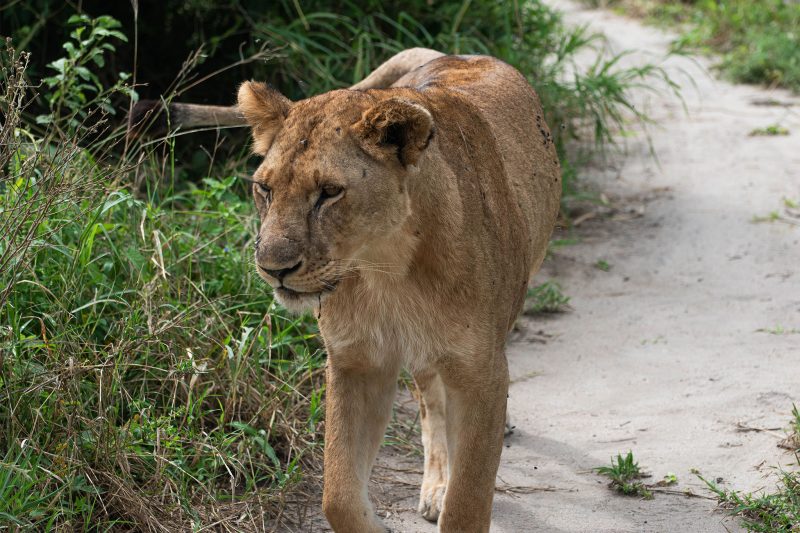
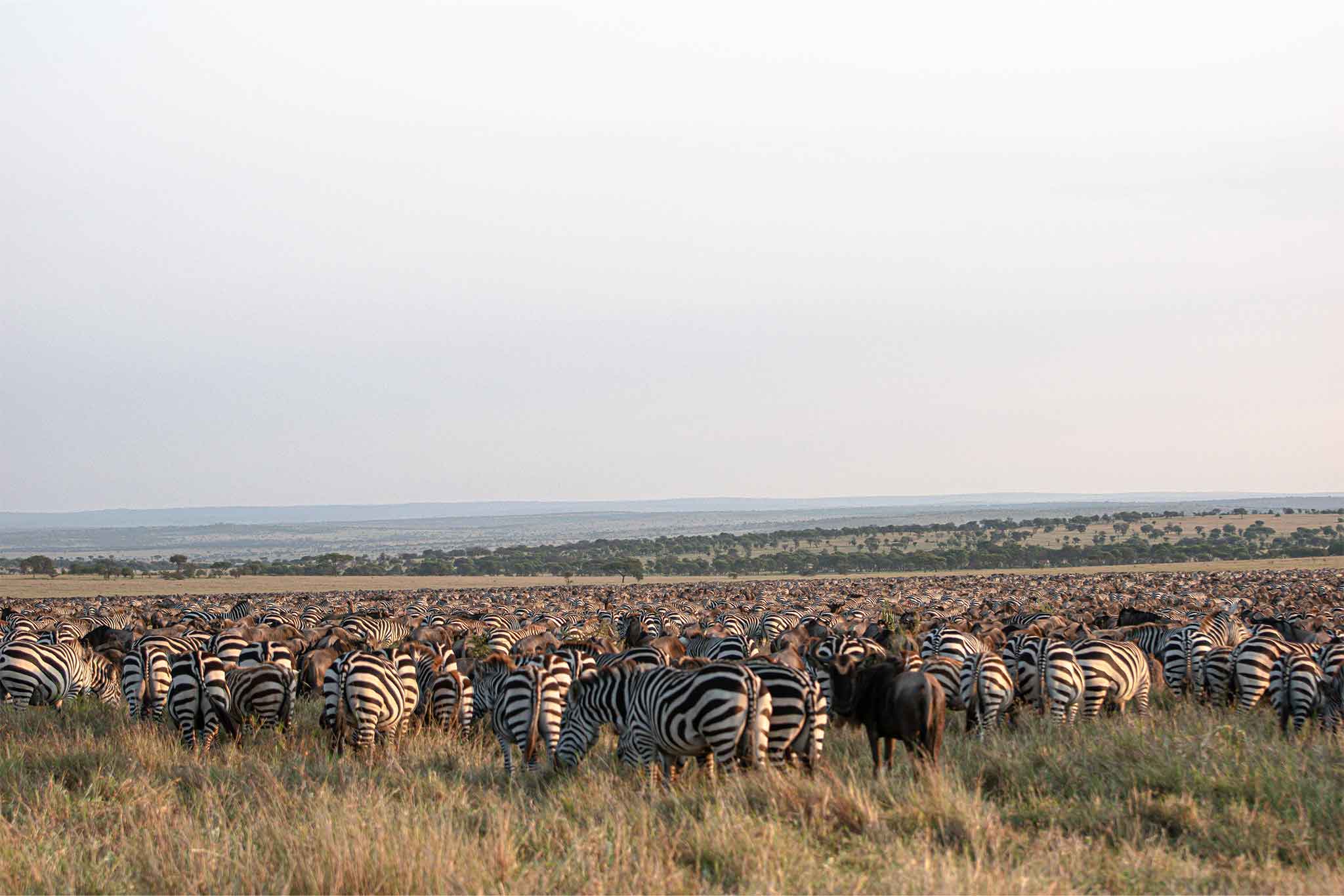
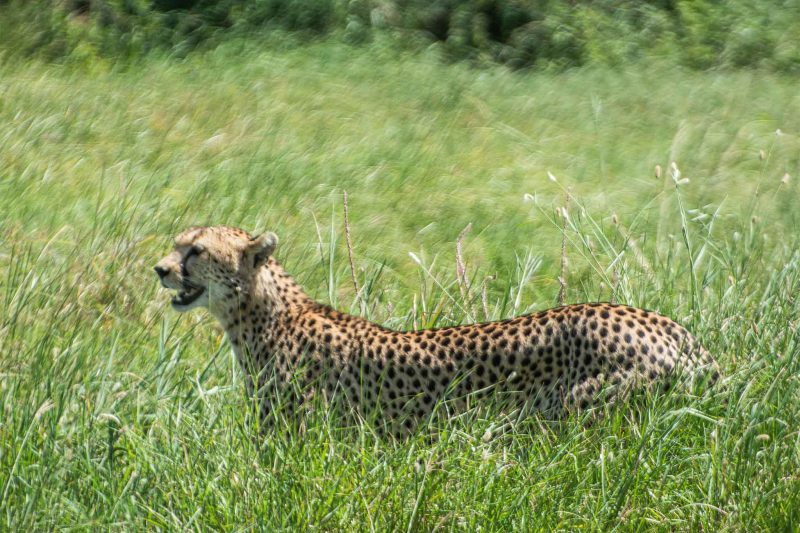
Enter the iconic Serengeti via the Ngorongoro highlands. Two full days of unlimited game drives across 14,750 km² of golden grasslands, kopjes, and riverine forests. Track the Big Five, witness dramatic predator-prey action, and chase the Great Migration (November–July depending on herd location). Sunrise and sunset drives maximize sightings of lions, cheetahs, hyenas, and 500+ bird species. Overnight at budget-central Serengeti Kati Kati or Seronera camps with hot showers and delicious meals.
Africa’s Garden of Eden

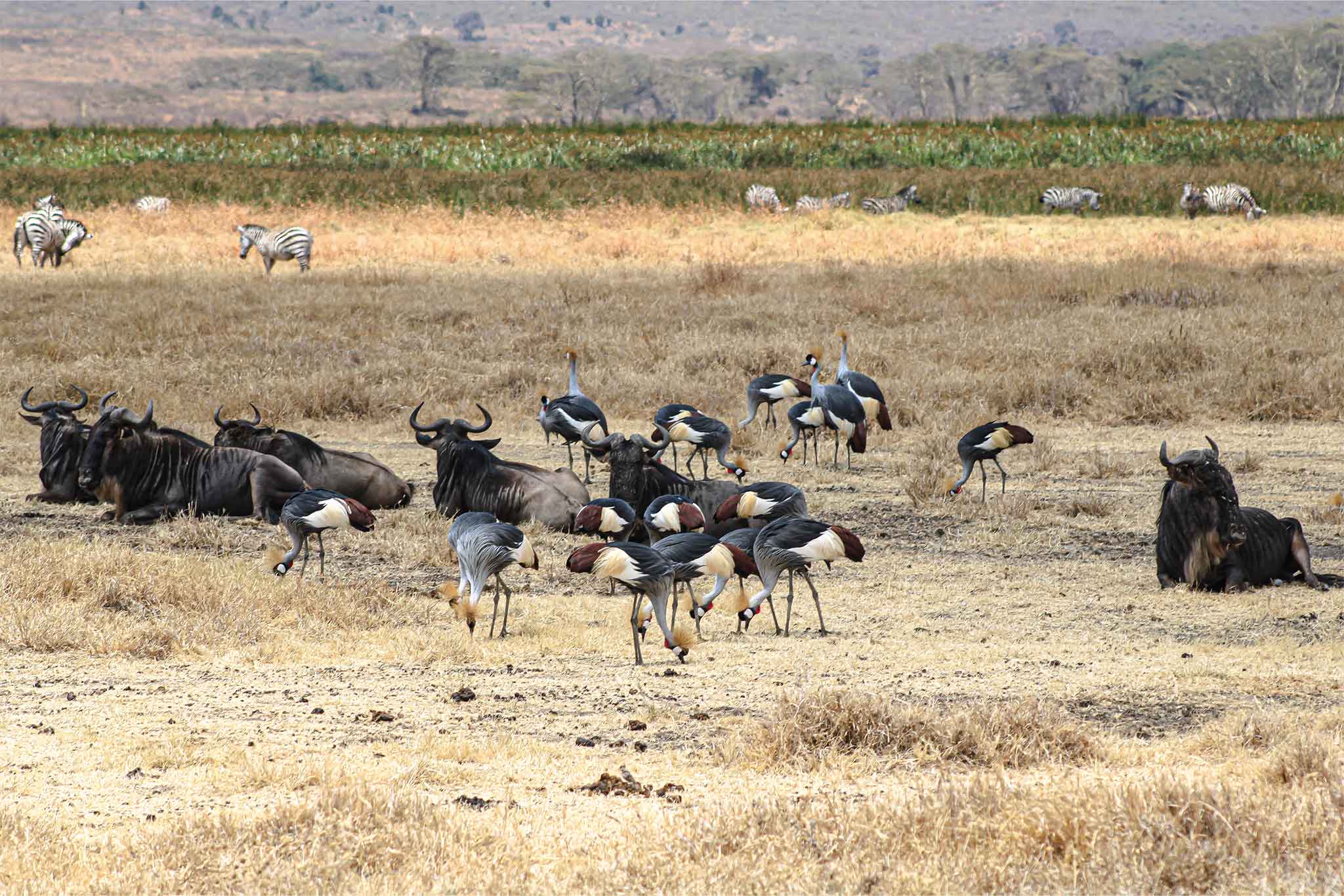
Descend 600 m into the world’s largest intact volcanic caldera for a 6-hour game drive on the crater floor. Home to 25,000 large mammals year-round, spot endangered black rhinos, huge-tusker elephants, prides of lions, and flamingos on Lake Magadi. Picnic lunch with hippos, then return to Arusha by late afternoon.

  • Day 1
  • Day 2
  • Day 3
  • Day 4
Day 1

Arusha → Tarangire National Park – Baobab Wonderland & Elephant Super

Arusha → Tarangire National Park – Baobab Wonderland & Elephant Super-Herds 

Smooth 2-hour road transfer (~120 km) on sealed and graded roads with roadside stops for Maasai herdsmen and giraffe silhouettes. Enter Tarangire gate for an immersive 5-hour game drive through iconic baobab groves, tracking oryx, fringe-eared oryx, gerenuk, and leopard draped over sausage trees. Follow the Tarangire River to Silale Swamp, where elephant families (up to 300 in dry season) converge. Scan termite mound lookouts for cheetah and lion. Over 550 bird species, including endemic ashy starlings. Bush picnic lunch under a fever tree canopy. 

Overnight: Tarangire Safari Lodge Campsite – permanent en-suite canvas tents with river-facing verandas, shared dining under stars. 

Meals: Breakfast at Arusha hotel (if arranged), picnic lunch, dinner at camp (B/L/D).

Day 2

Tarangire → Central Serengeti – Kopje Lookouts & Seronera Lion Territory

Extended 4–5 hour transfer (~200 km) via Ngorongoro Conservation Area rim with panoramic crater views. Pause at Naabi Hill Gate kopjes for cheetah scans and picnic toilets. Enter the Serengeti at Naabi and embark on a 3-hour arrival game drive in the Seronera River valley, prime for spotting resident lion prides, leopards in acacia branches, and hippo-filled pools. Track buffalo herds and spot hyena clans. Bush picnic lunch amid granite boulders. 

Overnight: Serengeti Kati Kati Tented Camp – mobile-style canvas tents with en-suite bucket showers, eco-lanterns, and campfire storytelling. 

Meals: Full board (B/L/D).

Day 3

Full-Day Central Serengeti – Migration Staging & Predator Heartland

Dedicated 7-hour game drive loop in the wildlife-rich Seronera and southern corridor. Target migration staging herds (Apr–Jun central gatherings), resident black-maned lions, and elusive rhinos on the Moru Kopjes. Explore hidden valleys for serval cats and bat-eared foxes. Bush picnic lunch at a secluded acacia grove; optional sundowner stop with non-alcoholic drinks overlooking endless plains. Return to camp as golden light bathes the savanna. 

Overnight: Same Serengeti Kati Kati Tented Camp. 

Meals: Full board (B/L/D).

Day 4

Serengeti → Ngorongoro Crater → Arusha – Caldera Big Five & Journey Home

Morning 3–4 hour transfer (~145 km) across Serengeti plains with final wildlife stops for ostrich and secretary birds. Descend into Ngorongoro Crater (UNESCO World Heritage) for a 4-hour crater-floor game drive. High-density year-round action: black rhinos on open plains (best Jun–Oct), lion prides near Lerai Forest, flamingo-fringed soda lakes (peaks Jun–Oct). Hippo pools and golden jackals complete the Big Five quest. Picnic lunch at Ngoitoktok Springs. Afternoon ascent and 2-hour return drive to Arusha (~150 km)—drop-off at your hotel, Arusha town, or Kilimanjaro Airport. 

Meals: Breakfast at camp, picnic lunch (B/L).

Price Inclusions & Exclusions

More about Ngorongoro Conservation Area

Ngorongoro Conservation Area, a UNESCO World Heritage Site spanning 8,292 km² in Tanzania's Northern Circuit, stands as a living laboratory of nature and human evolution just 180 km west of Arusha. This multi-use protected zone harmonizes wildlife, Maasai pastoralism, and archaeology, with the iconic 260 km² Ngorongoro Crater—a 600 m-deep volcanic caldera—as its centerpiece. Beyond the crater, the vast highlands encompass Olmoti and Empakaai craters, the Gol Mountains, and Olduvai Gorge, offering diverse Tanzania safaris from high-altitude forests to arid plains, ideal for cultural tours and paleoanthropological insights. Vegetation across Ngorongoro varies dramatically: the crater floor hosts short-grass savannah with fever trees and yellow-barked acacias around soda Lake Magadi, while crater rims (2,200–3,600 m) feature montane forests of croton, olive, and podocarpus draped in old man's beard lichen. Highland plateaus bloom with giant lobelias and red-hot pokers in moorlands, transitioning to open grasslands and acacia woodlands on the eastern plains toward Serengeti. Lerai Forest's groundwater thickets provide evergreen shade, creating layered habitats that support year-round biodiversity in this volcanic Eden. Weather in Ngorongoro Conservation Area follows highland patterns: the June–October dry season delivers crisp 20–25°C (68–77°F) days and near-freezing nights on the rims, concentrating wildlife in the crater. Short rains (November–December) bring misty afternoons and wildflower carpets, while the long wet season (March–May) cloaks the area in emerald with 15–22°C (59–72°F) temperatures and occasional fog—perfect for lush photography, though roads slick. January–February offers warm, dry calving-season viewing with fewer crowds. Geologically, Ngorongoro formed 2–3 million years ago when a massive volcano rivaling Kilimanjaro collapsed into its emptied magma chamber, creating the world's largest intact caldera. The active East African Rift continues to shape the area through faulting and uplift, with Olmoti's breached crater and Empakaai's soda-filled basin evidencing ongoing volcanism—fumaroles still steam in remote vents. Alkaline soils from ash deposits enrich grasslands, while rift valleys carve dramatic escarpments, fostering isolated ecosystems. Beyond the crater, attractions abound: Olmoti Crater's waterfall hike reveals Munge River cascades; Empakaai Crater's flamingo-filled lake invites rim walks with views to active Ol Doinyo Lengai volcano. The shifting sands of the Gol Mountains—dune-like ash deposits—offer surreal landscapes, while Nasera Rock provides climbing and hyrax spotting. Olduvai Gorge, the "Cradle of Mankind," preserves 1.9-million-year-old hominid footprints at Laetoli and Zinjanthropus fossils, tracing human evolution from Australopithecus to Homo habilis amid layered sedimentary strata. Maasai bomas allow cultural immersion with livestock herding and beadwork demonstrations, blending conservation with indigenous livelihoods. Wildlife density in Ngorongoro Crater is legendary—25,000 large mammals, including black rhinos, high-density lions, elephants, and the Big Five, year-round. Golden jackals, serval cats, and spotted hyenas patrol the floor, while buffalo herds and wildebeest dominate the plains. Outside, the highlands host eland, mountain reedbuck, and leopards in forests; the conservation area's vastness supports migrating herds linking to the Serengeti. Over 500 bird species enrich Ngorongoro, with crater residents like lesser flamingos carpeting Lake Magadi, ostriches striding grasslands, and Schalow's turaco in rim forests. Raptors, including augur buzzards and Verreaux's eagles, soar the caldera walls. Migratory Palearctic species arrive from  November–April, with white storks, Abdim's storks, and European rollers joining resident flocks, turning wetlands into a seasonal birding spectacle in this evolutionary hotspot.

More about Serengeti National Park Discover Serengeti National Park

Serengeti National Park, Tanzania’s crown jewel and a UNESCO World Heritage Site spanning 14,750 km², delivers the planet’s greatest wildlife spectacle—the annual Great Migration of over 1.5 million wildebeest. Stretching from the Ngorongoro highlands to Kenya’s Maasai Mara, this endless plain (“Serengeti” in Maasai) features classic acacia-dotted grasslands, riverine forests along the Grumeti and Mara rivers, and rocky kopjes rising like islands. Vegetation shifts from short-grass plains in the south—perfect for grazing—to tall savannah and thorny scrub in the west, with sausage trees and fig groves lining waterways that sustain life year-round. Weather follows a classic East African rhythm: the June–October dry season brings golden landscapes, 25–30°C (77–86°F) days, and chilly 14°C (57°F) nights, concentrating herds at rivers. Short rains (November–December) spark fresh grass and calving, while the long wet season (March–May) cloaks the plains in emerald with 20–28°C (68–82°F) temperatures and dramatic thunderstorms. January–February offers prime migration viewing on the southern plains with minimal rain. Geologically, the Serengeti lies on the stable Craton plateau edged by the active East African Rift, where ancient volcanic activity from the Ngorongoro highlands deposited nutrient-rich ash. Granite kopjes—billion-year-old outcrops—dot the horizon, providing lookout posts for lions and leopards. Seasonal rivers carve dramatic gorges, and soda lakes like Magadi attract flamingos, while underground aquifers feed oases during droughts. Home to the Big Five, the park hosts 3,000 lions, dense leopard populations in riverine thickets, and cheetahs sprinting across open plains. Resident elephants, buffalo, giraffes, and rhinos roam alongside hyenas, jackals, and over 70 large mammal species. The Great Migration—wildebeest, zebra, and gazelle—cycles clockwise, with dramatic river crossings June–July and calving on southern plains January–March. Over 500 bird species thrive here, from resident ostriches, secretary birds, and kori bustards striding the grasslands to lilac-breasted rollers and grey-crowned cranes in acacia groves. Raptors like martial eagles and vultures circle kopjes. Migratory species arrive November–April, including European storks, Abdim’s storks, and steppe eagles, joining resident flocks at seasonal pans for a birding bonanza unmatched in Africa.

More about Tarangire National Park Discover Tarangire National Park

Tarangire National Park, Tanzania’s sixth-largest park spanning 2,850 km², captivates visitors with its dramatic baobab-studded savannah and the life-giving Tarangire River. Located 140 km southwest of Arusha in the Northern Circuit, this underrated gem offers year-round wildlife viewing, especially during the June–October dry season when massive elephant herds converge on the river. The park’s diverse vegetation includes open grasslands, acacia woodlands, riverine forests, and ancient baobab groves—iconic “upside-down trees” that store water and provide shade for animals. Swampy areas near Silale and Gursi support lush palms and fever trees, creating perfect habitats for birdlife and big game. Weather in Tarangire National Park varies distinctly: the dry season (June–October) brings sunny days with temperatures of 25–30°C (77–86°F) and cool nights around 15°C (59°F), ideal for dust-free game drives. The short rains (November–December) refresh the landscape with brief afternoon showers, while the long wet season (March–May) transforms the park into a green paradise with temperatures 20–28°C (68–82°F) but muddy roads. January–February offers warm, dry conditions perfect for calving season sightings. Wildlife thrives here, with Tarangire boasting Tanzania’s highest elephant density—up to 3,000 individuals forming multi-generational herds. Resident animals include lions, leopards, cheetahs, giraffes, zebras, wildebeest, buffalo, and elusive species like fringe-eared oryx and gerenuk. Predators patrol the riverbanks, while hyenas and jackals scavenge the plains. Birdwatchers flock to Tarangire for over 550 resident species, including yellow-collared lovebirds, rufous-tailed weavers, and the endemic ashy starling. Raptors like bateleur eagles and martial eagles soar overhead, while waterbirds—Egyptian geese, pelicans, and herons—gather at swamps. Migratory birds arrive November–April, with Eurasian rollers, white storks, and Abdim’s storks joining the chorus, making Tarangire a top Tanzania birding destination year-round.
Best Budget Tanzania Safari 4 Days | All-Year-Round Road-Only Northern Circuit | Serengeti Migration Preview on a Budget

There are no comments yet.

More about this tour

Location Overview

This compact 4-day budget safari explores Tanzania’s legendary Northern Circuit, a UNESCO-rich wildlife corridor 120–250 km west and northwest of Arusha—the undisputed safari capital nestled at the foot of Mount Meru. Departing from Arusha (1,400 m/4,600 ft), the route combines smooth tarmac with graded gravel roads, winding through Maasai steppe, coffee farms, and dramatic rift-valley escarpments before plunging into vast golden plains and the planet’s most famous volcanic caldera.

Tarangire National Park (2,850 km²): 140 km southwest of Arusha. Rolling baobab-studded hills and the life-giving Tarangire River create Tanzania’s highest elephant density outside the migration—up to 3,000+ individuals gather June–October, earning it the nickname “Elephant Playground.”

Serengeti National Park (14,750 km²): 200–250 km northwest of Arusha. Endless grass plains (the name “Serengeti” means “endless plains” in Maasai) stretch to the horizon, hosting the Great Migration’s resident herds, black-maned lions, cheetahs on kopjes, and over 500 bird species. The central Seronera valley offers year-round Big Cat action.

Ngorongoro Crater (260 km² floor): 180 km west of Arusha within the 8,300 km² Ngorongoro Conservation Area (UNESCO World Heritage). The world’s largest intact, unflooded caldera—600 m deep and 19 km wide—acts as a natural 25,000-animal enclosure with Africa’s highest predator density and reliable black rhino sightings.

Geography & Access

Terrain: Baobab savannah, acacia woodlands, short-grass plains, soda lakes, and highland crater rims. Altitude Range: 1,000–2,400 m (3,300–7,900 ft). Travel Times from Arusha (private 4x4):

  • Tarangire: 2–2.5 hours
  • Central Serengeti (via Ngorongoro transit): 5–6 hours
  • Ngorongoro Crater rim: 3–3.5 hours Gateway: Kilimanjaro International Airport (JRO) → Arusha (45–60 min transfer). Year-round road access; dry-season (June–October) roads are dusty but fast, while the green season (March–May) paints the landscape emerald and reduces rates dramatically.
Share on social networks
Destinations
Cities
Our Newsletter

Subscribe to our newsletter and get exlusive first minute offers straight into your inbox.

    Destinations
    Cities
    Our Newsletter

    Subscribe to our newsletter and get exlusive first minute offers straight into your inbox.

      Visit us on Social Networks

      https://thewovenexperience.com/wp-content/uploads/2018/08/Travelicious-logo-footer.png

      Visit us on Social Networks

      Close

      4 Day Budget Classic: Tarangire, Serengeti & Crater – Value Migration Preview with The Woven Experience

      Price
      $490 per person
      Duration
      4 Days
      Destination
      More than 1
      Travellers
      1+

        Preferred Currency:

        1. Who are you travelling with? *

        2. When do you want to travel? *

        3. Accommodation preference? *

        4. Proffered communication list? *


        Travellers


        Anything else you'd like to share?

        Your contact details


        I give permission to receive a travel proposal and related information.
        Would you like to know about our volunteering packages?

        Discount code (if any)

          Enquiry about the Tour availability or anything you’d like to know. Required fields are marked *