FIRST MINUTE
Price
$490 per person
Duration
1 Day
Destination
Lake Eyasi Area
Travellers
1+

Maasai Cultural Day Trip withThe Woven Experience

Immerse yourself in the vibrant traditions of the Maasai people at Olpopongi Maasai Cultural Village, one of Tanzania’s most authentic indigenous experiences. This full-day private tour from Arusha offers genuine interactions with Maasai warriors, women, and elders, far from tourist crowds.
  • Information
  • Tour Plan
  • Location
  • Gallery
  • Reviews
  • Additional Info
  • Similar Tours
Authentic Hunter-Gatherer & Pastoralist Immersion at Lake Eyasi | Full-Day Private Tour | Year-Round Departure from Arusha

What's included

Destination
Lake Eyasi Area Discover Lake Eyasi Area
Departure Location
Arusha
Return Location
Arusha
Tour Start Date & Time
Everyday at 06:30
Price includes
  • Unlimited bottled water
Price does not include
  • Visa arrangements
Additional Prices
Maasai Boma Visit: $50

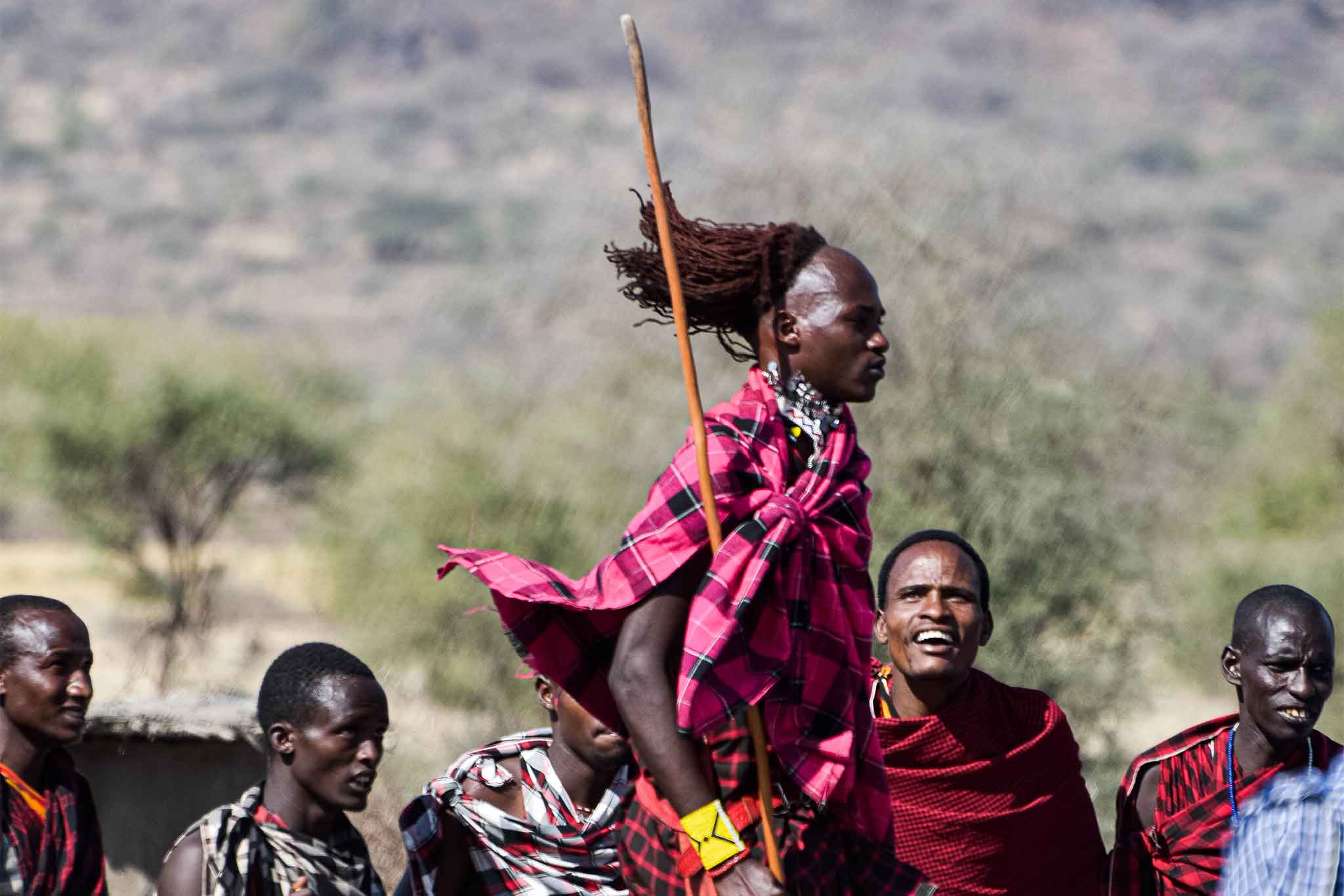
Authentic Maasai Welcome with Jumping Dance

Experience the iconic Maasai adumu jumping dance performed by red-shuka warriors – a powerful traditional greeting that showcases strength, agility, and cultural pride at Olpopongi Maasai Cultural Village.
Explore a Real Maasai Boma Village

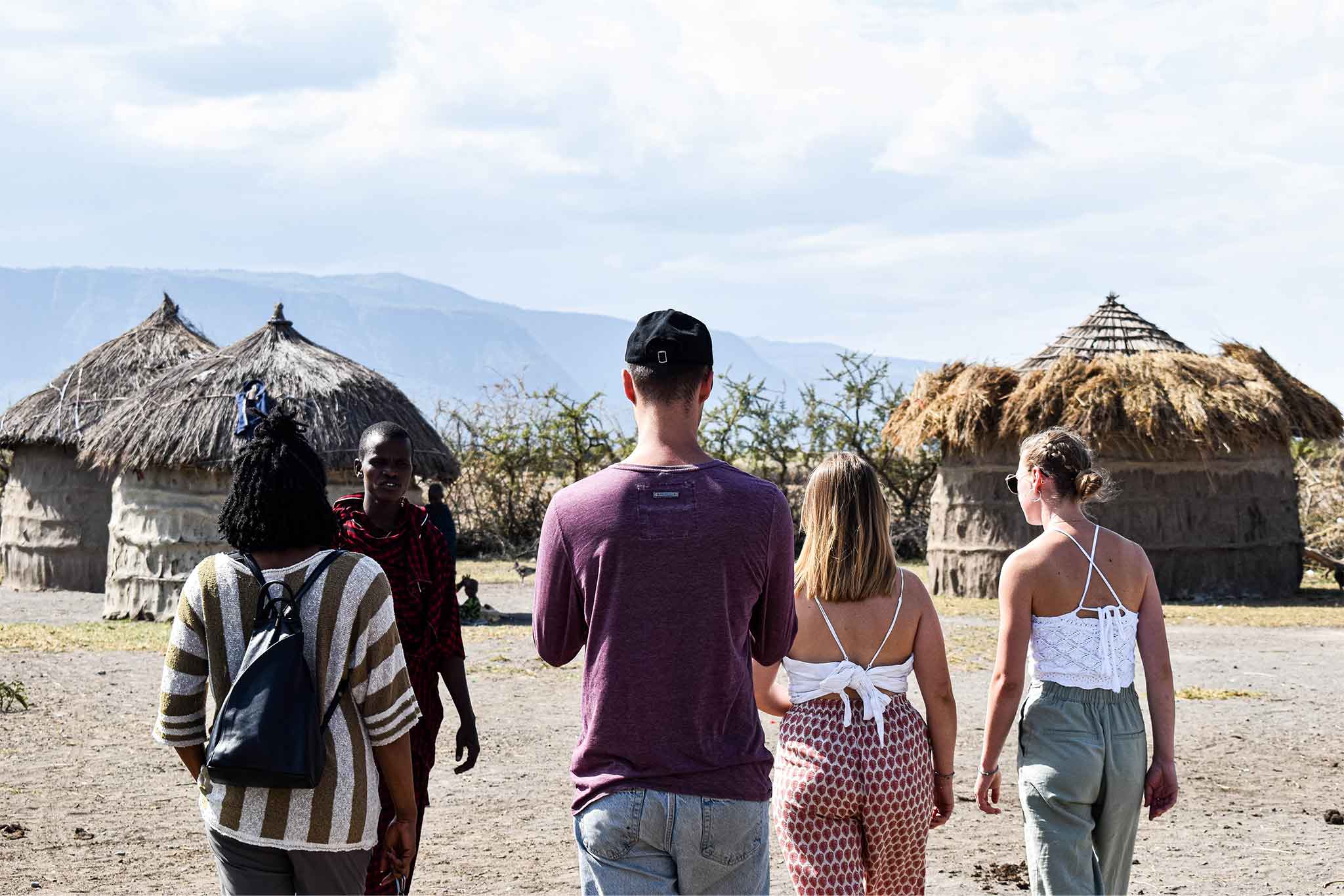
Step inside a genuine Maasai boma with circular mud-and-dung enkaji huts, protective thorn fences, and central cattle enclosures – offering an unfiltered look at daily life in one of Tanzania’s most authentic Maasai communities.
Master Warrior Skills: Spear Throwing & Fire-Making

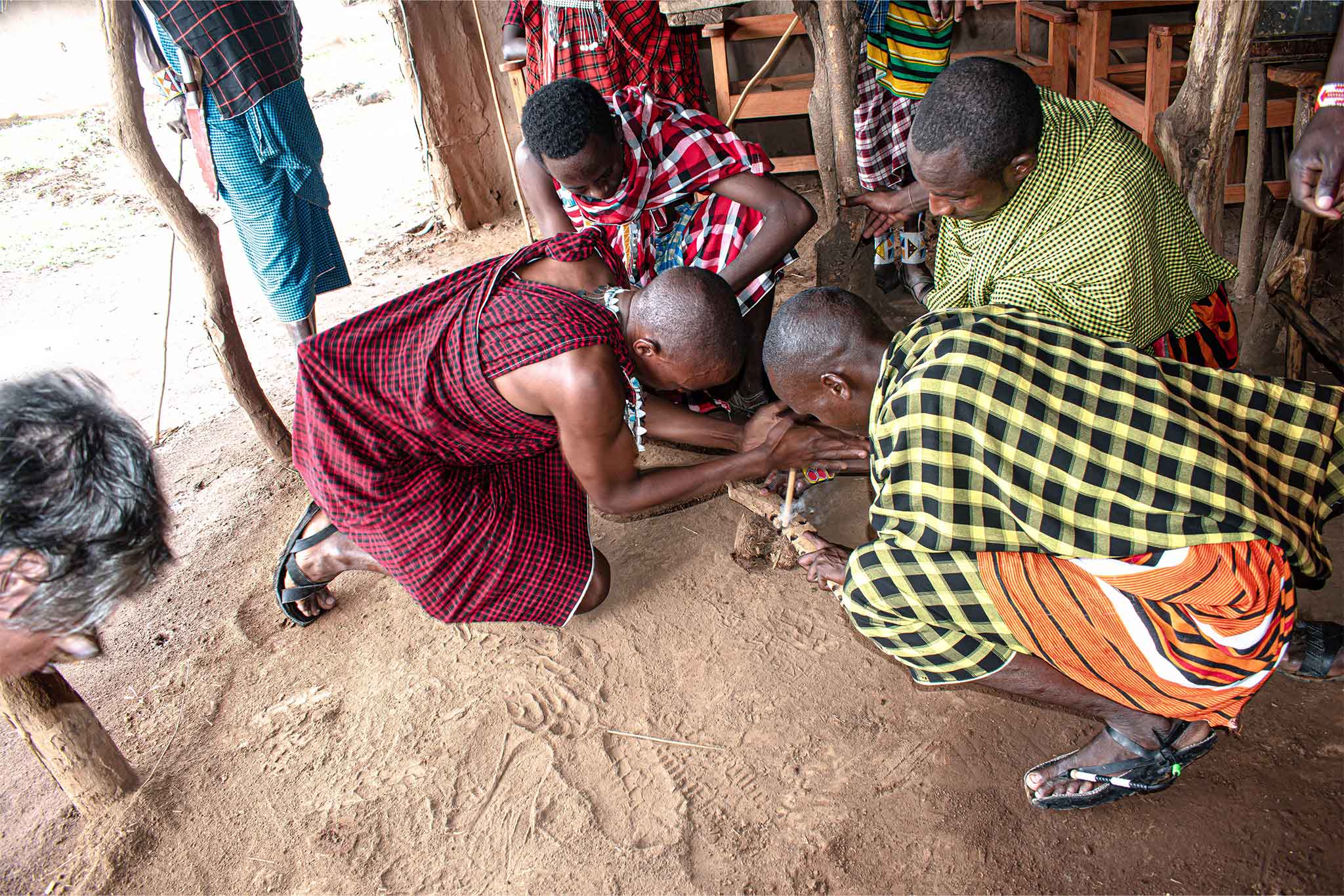
Train like a Maasai moran with hands-on spear throwing at targets and friction fire-starting using only sticks and dung – ancient survival techniques still essential in the Tanzanian bush.
Medicinal Plants Walk with Maasai Healer

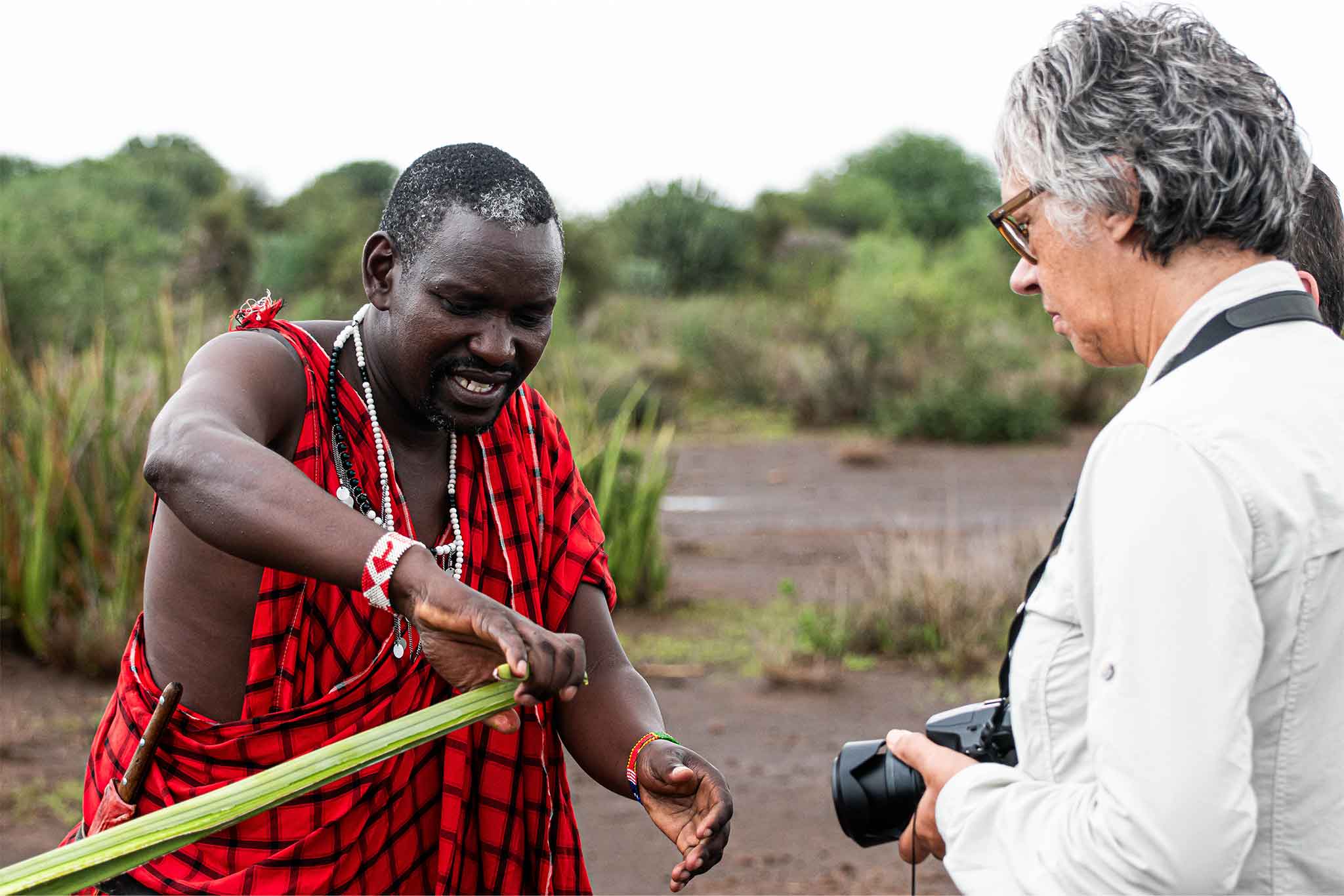
Discover the Maasai’s deep herbal knowledge on a guided bush walk, identifying plants used for treating malaria, wounds, and digestive issues – a fascinating blend of tradition and natural pharmacy.
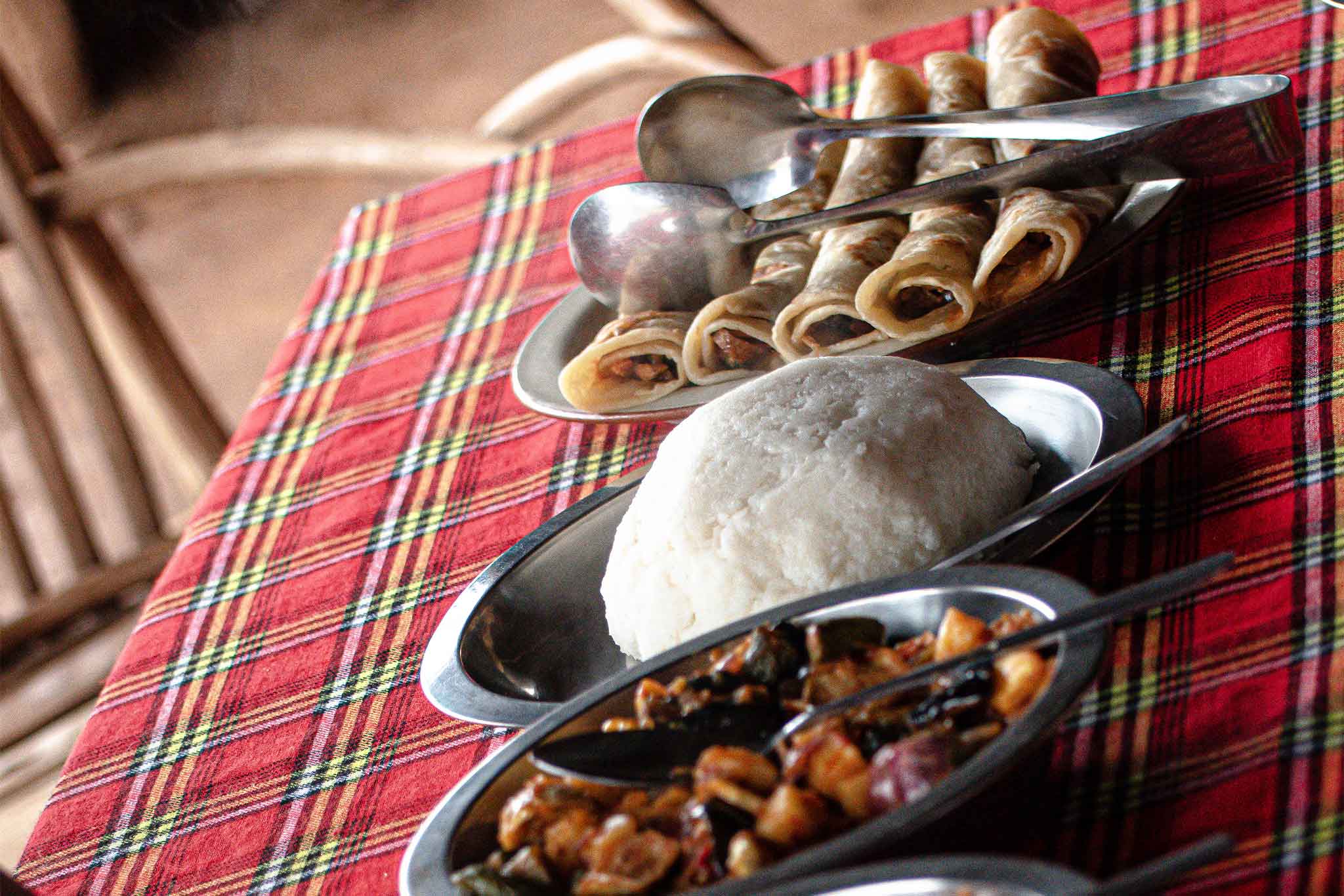
Traditional Maasai Lunch Around the Fire

Savor an authentic meal of grilled goat (nyama choma), ugali maize porridge, and fresh vegetables cooked over open flames, shared communally with Maasai families for a genuine cultural connection.
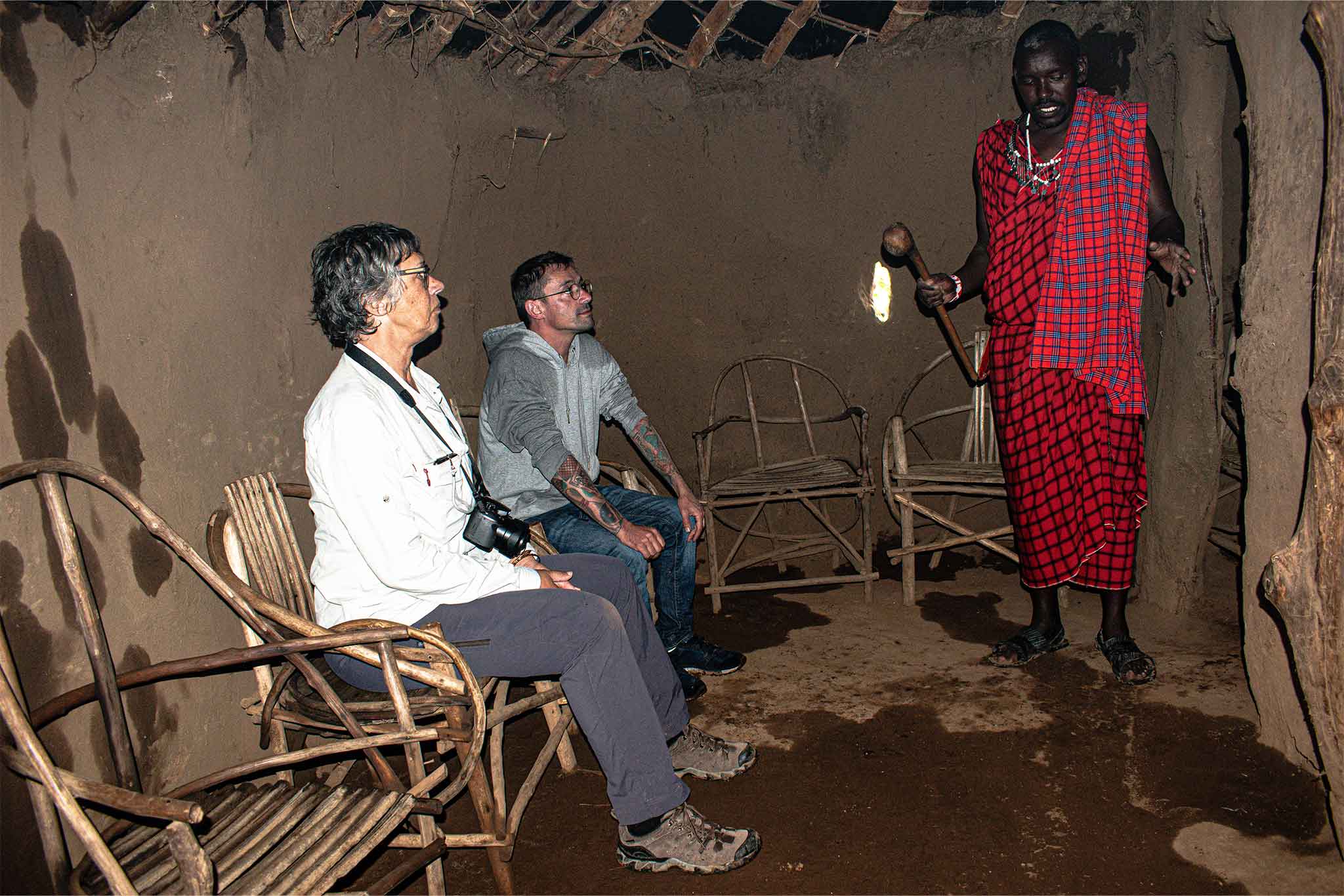
Storytelling with Maasai Elders

Gather with respected elders to hear captivating legends, lion-hunt tales, and life lessons in the Maa language (translated live) – preserving oral traditions that define Maasai identity.
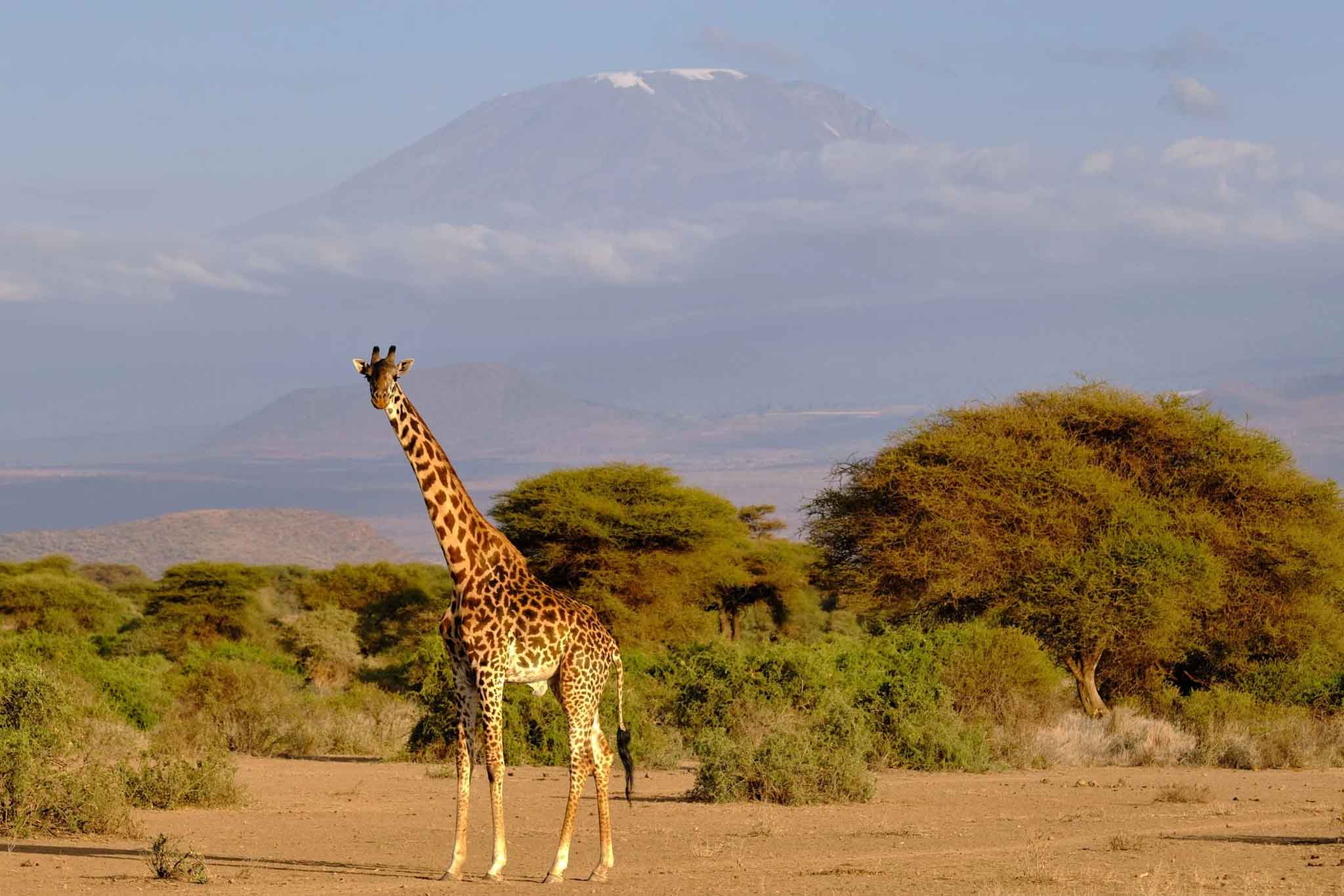
Stunning Views of Mount Kilimanjaro Backdrop

Enjoy panoramic vistas of Africa’s highest peak rising above the West Kilimanjaro plains, especially clear during the July–October dry season, creating postcard-perfect moments of Maasai culture.
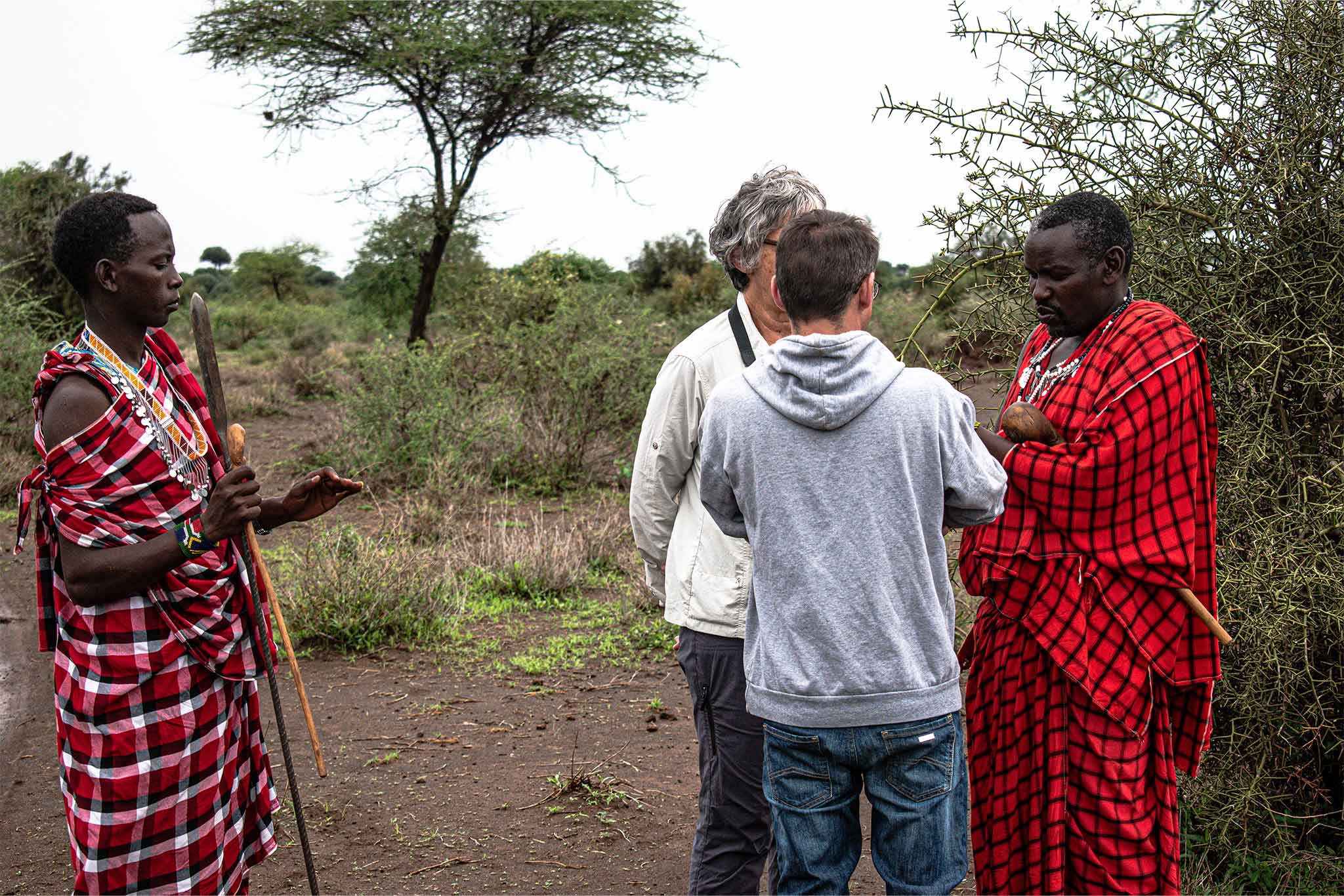
Year-Round Maasai Culture with Seasonal Magic

Visit any time: lush green pastures and newborn calves in the December–April rains, abundant medicinal herbs after May–June rains, vibrant festivals possible in the dry season, or fresh milk richness during the November short rains.
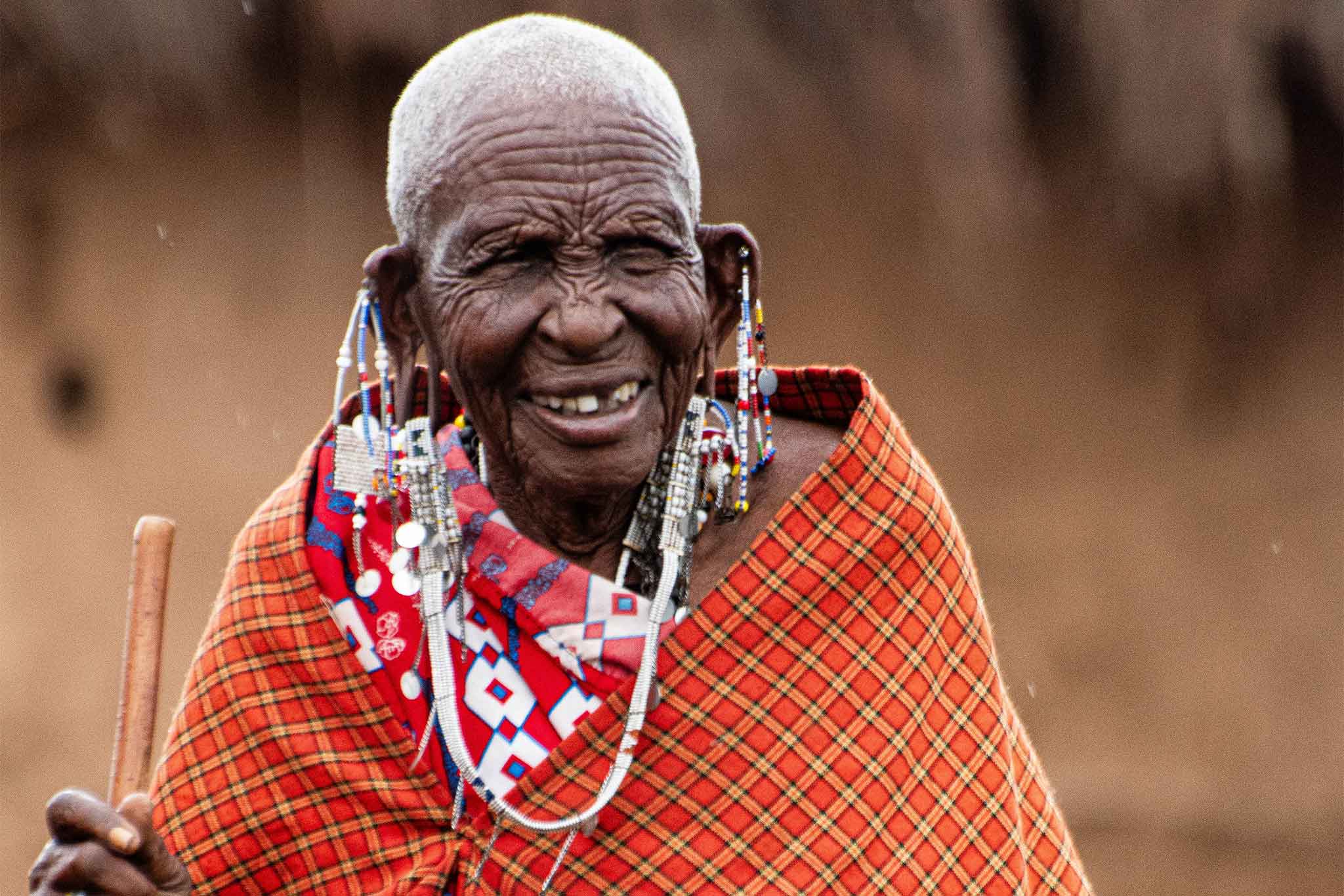
Ethical, Community-Run Maasai Experience from Arusha

Support direct community projects through entry fees at Olpopongi – Tanzania’s top-rated authentic Maasai village tour from Arusha, limited to small groups for respectful, meaningful interactions beyond typical tourist performances.

  • Day 1
Day 1

Tanzania’s most authentic indigenous experiences

Scenic Drive from Arusha to Olpopongi Maasai Village

Travel in a comfortable private 4Ă—4 through the Tanzanian countryside, passing coffee plantations, local markets, and views of Mount Meru and Kilimanjaro on clear days. Your expert guide provides insights into Maasai history, migration from Sudan, and their semi-nomadic herder lifestyle as you approach the village in West Kilimanjaro.

Traditional Maasai Welcome and Village Tour

Upon arrival, receive a warm welcome with rhythmic jumping dances by red-shuka-clad warriors. Tour the authentic boma (village compound) of circular mud-and-dung enkaji huts arranged in a protective circle. Meet the polygamous families, observe daily chores like milking goats and cattle, and learn about social structures, including age-set systems, warrior roles, and women's beadwork craftsmanship.

Hands-On Maasai Beadwork and Jewelry Making

Join Maasai women in creating intricate beaded jewelry using colorful glass beads symbolizing status, age, and marital availability. Learn the meanings behind patterns and colors, then craft your own bracelet or necklace to take home as a personalized souvenir.

Warrior Skills: Spear Throwing and Fire-Making

Participate in traditional warrior training with Maasai morans (young warriors). Practice spear throwing at targets, learn bush survival techniques like starting fire with friction sticks and cow dung, and hear stories of lion hunts that mark the passage to manhood.

Herbal Medicine Walk with Maasai Healer

Stroll through the surrounding acacia bush with a Maasai medicine man to identify medicinal plants used for treating ailments, from bark for malaria to roots for stomach issues. Discover how the Maasai blend traditional remedies with their deep knowledge of the savannah ecosystem.

Traditional Maasai Meal and Storytelling Session

Share a communal lunch of ugali (maize porridge), nyama choma (grilled goat meat), and fresh vegetables prepared over an open fire. Gather around the elders for storytelling in the Maa language (with English translation), covering myths, legends, and life lessons passed down through generations.

More about Lake Eyasi Area Discover Lake Eyasi Area

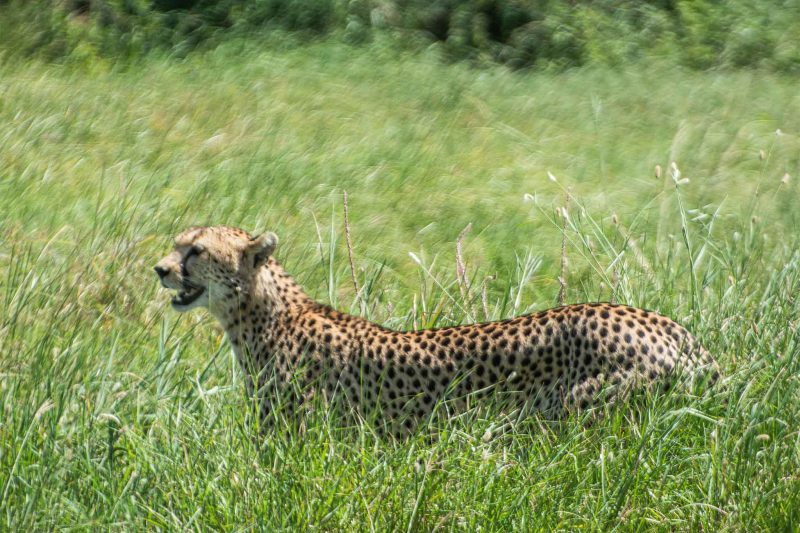
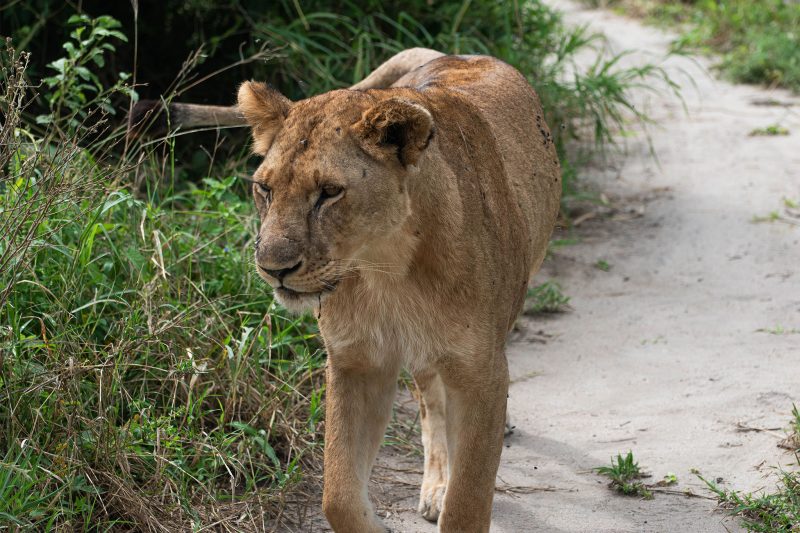
Lake Eyasi Area, a hidden gem in northern Tanzania's Great Rift Valley, offers an off-the-beaten-path Tanzania safari experience blending indigenous cultures, birdwatching havens, and stark volcanic landscapes just 100 km southwest of Arusha and near Ngorongoro Crater. This seasonal soda lake basin, spanning about 1,050 km² at 1,040 m elevation, captivates with its tropical contrast to surrounding highlands—palm-fringed shores and Hadzabe hunter-gatherer communities—making it ideal for cultural immersion trips alongside Northern Circuit adventures like Serengeti safaris. Vegetation around Lake Eyasi creates a dramatic, almost tropical oasis amid arid rift plains, featuring doum palms and lush riparian thickets lining the shallow saline waters, interspersed with umbrella thorn acacias, sandpaper bushes, and thorny succulents like Euphorbia ingens for a resilient, low-water biome. During wet seasons, grasses and wild herbs burst into green carpets on the lake bed, while dry periods reveal dusty savannahs dotted with baobabs and medicinal plants, supporting a unique mix of rift-valley flora that thrives in alkaline soils and supports local Datoga pastoralists' herds. Weather in the Lake Eyasi Area is intensely hot and arid year-round, with daytime highs of 25–35°C (77–95°F) and cooler 15–20°C (59–68°F) nights, moderated by rift breezes but amplified by the valley floor's basin effect. The dry season (June–October) brings scant rain and golden, accessible trails for hiking and wildlife spotting as the lake shrinks to mudflats; short rains (November–December) spark brief greening and bird arrivals, while the long wet season (March–May) floods the basin with shallow brackish waters up to several meters deep, turning it lush but muddy—best for birders, though access challenges arise. Geologically, Lake Eyasi anchors the Eyasi-Wembere branch of the East African Rift, the world's oldest rift system formed by tectonic divergence over 30 million years ago, where continental plates pull apart at 6–7 mm annually, creating elongated depressions filled by endorheic soda lakes like Eyasi. Volcanic ash from nearby Ngorongoro and Serengeti highlands enriches the saline soils (pH 8–10), while fault-block escarpments rise sharply around the basin; Mumba Cave's layered sediments reveal ancient rift activity, with no active eruptions but seismic tremors underscoring ongoing continental rifting that shaped this evolutionary cradle. Key features of the Lake Eyasi Area include its elongated, seasonal soda lake—drying to a vast cracked bed in droughts but swelling with mineral-rich waters during rains—framed by rift escarpments and volcanic plains linking to Serengeti ecosystems. Attractions abound for cultural and nature seekers: immerse with the Hadzabe (Hadza) bushmen on dawn hunting expeditions using bows and arrows, gathering honey and tubers in age-old traditions dating back 10,000 years; visit Datoga villages for blacksmithing demos and vibrant markets like Ghorofani (5th of each month) showcasing beads and crafts. Explore Mumba Rock Shelter, an archaeological site with 130,000-year-old human remains and paintings, or hike escarpment trails for panoramic views; birding walks along palm-shaded shores and boat safaris on flooded waters highlight the area's biodiversity, while eco-lodges like Lake Eyasi Safari Lodge offer stargazing and tribal storytelling—perfect add-ons to Ngorongoro Crater tours. In human evolution history, Lake Eyasi Area echoes the "Cradle of Mankind," with Mumba Cave yielding Homo sapiens fossils from 50,000–130,000 years ago, including tools and burials that illuminate early modern human adaptations to rift environments; nearby Olduvai Gorge (20 km away) extends this legacy with 1.9-million-year-old hominid footprints, underscoring how rift volcanism and lake fluctuations drove bipedalism, migration, and cultural innovation among ancestors like the Hadzabe's forebears. Animals in the Lake Eyasi Area focus on resilient rift dwellers rather than big-game spectacles: waterbucks, warthogs, dik-diks, and vervet monkeys around springs; smaller predators like jackals, caracals, hyenas, and mongooses prowl the bush, with occasional giraffes and zebras grazing acacia fringes—lungfish and catfish thrive in the alkaline lake, drawing opportunistic hunters. Birdlife dazzles with over 350 resident species, turning shores into a Tanzania birdwatching paradise: Fischer’s lovebirds nest in doum palms, while Africa spoonbills, great white pelicans, yellow-billed storks, gray-headed gulls, pied avocets, barbets, weavers, and spur fowls flock to mudflats and waters. Raptors like bateleur eagles soar overhead, and flamingos tint shallows pink during breeding peaks. Migrating species swell flocks from November–April, with Palearctic waders—Eurasian curlews, sandpipers, and white storks—joining residents for massive congregations on evaporating shores, especially post-rains when the lake's caustic waters teem with insects and algae, creating seasonal avian flyways in this under-the-radar rift hotspot.
Authentic Hunter-Gatherer & Pastoralist Immersion at Lake Eyasi | Full-Day Private Tour | Year-Round Departure from Arusha

There are no comments yet.

More about this tour

Location Overview
This authentic full-day Olpopongi Maasai Cultural Experience takes place in the heart of Maasailand on the vast plains of West Kilimanjaro, 90–110 km (55–70 miles) northwest of Arusha—the gateway city nestled between Mount Kilimanjaro and Mount Meru. Starting from Arusha (1,400 m/4,600 ft elevation), the scenic drive follows paved and well-maintained gravel roads through coffee farms, small trading centres, and open Maasai steppe, arriving at a traditional Maasai boma set against the dramatic backdrop of Mount Kilimanjaro (on clear days) and the endless acacia-dotted savannah.

Olpopongi Maasai Cultural Village: Located approximately 100 km northwest of Arusha in the Tinga Tinga area, West Kilimanjaro. A purpose-built yet fully authentic Maasai village operated by the local community, surrounded by cattle grazing lands, seasonal streams, and rolling hills that form the transition zone between the Maasai Steppe and the slopes of Africa’s highest mountain.

Geography & Access
Terrain: Classic East African savannah with open grasslands, scattered acacia tortilis and umbrella trees, volcanic soil plains, and distant views of Mount Kilimanjaro and Mount Meru.
Altitude Range: 1,300–1,600 m (4,265–5,250 ft).
Travel Times (from Arusha): 1.5–2 hours by private 4×4 via the Arusha–Moshi highway and Tinga Tinga turn-off.
Gateway: Kilimanjaro International Airport (JRO) → Arusha (45–60 min transfer), then continue directly to Olpopongi.
Year-round access with sealed roads most of the way; dry season (June–October) offers dust-free views of Kilimanjaro and crisp photography conditions, while the green season (December–May) brings lush pastures, newborn calves, wildflowers, and dramatic storm clouds over the mountain.
Share on social networks
Destinations
Cities
Our Newsletter

Subscribe to our newsletter and get exlusive first minute offers straight into your inbox.

    Destinations
    Cities
    Our Newsletter

    Subscribe to our newsletter and get exlusive first minute offers straight into your inbox.

      Visit us on Social Networks

      https://thewovenexperience.com/wp-content/uploads/2018/08/Travelicious-logo-footer.png

      Visit us on Social Networks

      Close

      Maasai Cultural Day Trip With The Woven Experience

      Price
      $490 per person
      Duration
      1 Day
      Destination
      Lake Eyasi Area
      Travellers
      1+

        Preferred Currency:

        1. Who are you travelling with? *

        2. When do you want to travel? *

        3. Accommodation preference? *

        4. Proffered communication list? *


        Travellers


        Anything else you'd like to share?

        Your contact details


        I give permission to receive a travel proposal and related information.
        Would you like to know about our volunteering packages?

        Discount code (if any)

          Enquiry about the Tour availability or anything you’d like to know. Required fields are marked *