FIRST MINUTE
Price
$490 per person
Duration
13 Days
Destination
More than 1
Travellers
1+

Tarangire, Lake Manyara, Ngorongoro, Serengeti & Zanzibar Honeymoon package withThe Woven Experience

This iconic road-only journey remains the single most-booked Tanzania safari + beach itinerary worldwide. Eight full safari days deliver every Northern Circuit highlight without rush, followed by four nights of barefoot luxury on Zanzibar’s finest east-coast beach. A relaxed pre-safari briefing the evening before at your Arusha hotel covers photography tips, wildlife behaviour, and Swahili phrases.
  • Information
  • Tour Plan
  • Location
  • Gallery
  • Reviews
  • Additional Info
  • Similar Tours
Best 8-Day Wildebeest Calving Safari Tanzania | All-Year-Round Road-Only Southern Serengeti | Ndutu Newborn Drama Jan–Mar

What's included

Destination
Lake Manyara National Park , Ngorongoro Conservation Area , Serengeti National Park , Tarangire National Park , Zanzibar Discover Destinations
Departure Location
Arusha
Return Location
Zanzibar
Tour Start Date & Time
Everyday at 06:30
Price includes
  • Unlimited bottled water
Price does not include
  • Visa arrangements
Additional Prices
Hot Air Balloon Safari over Serengeti – (Day 3 dawn, replaces morning drive): $599 Olduvai Gorge Museum Stop en route – Price per group: $40 Maasai Boma Cultural Visit – Price per group: $50

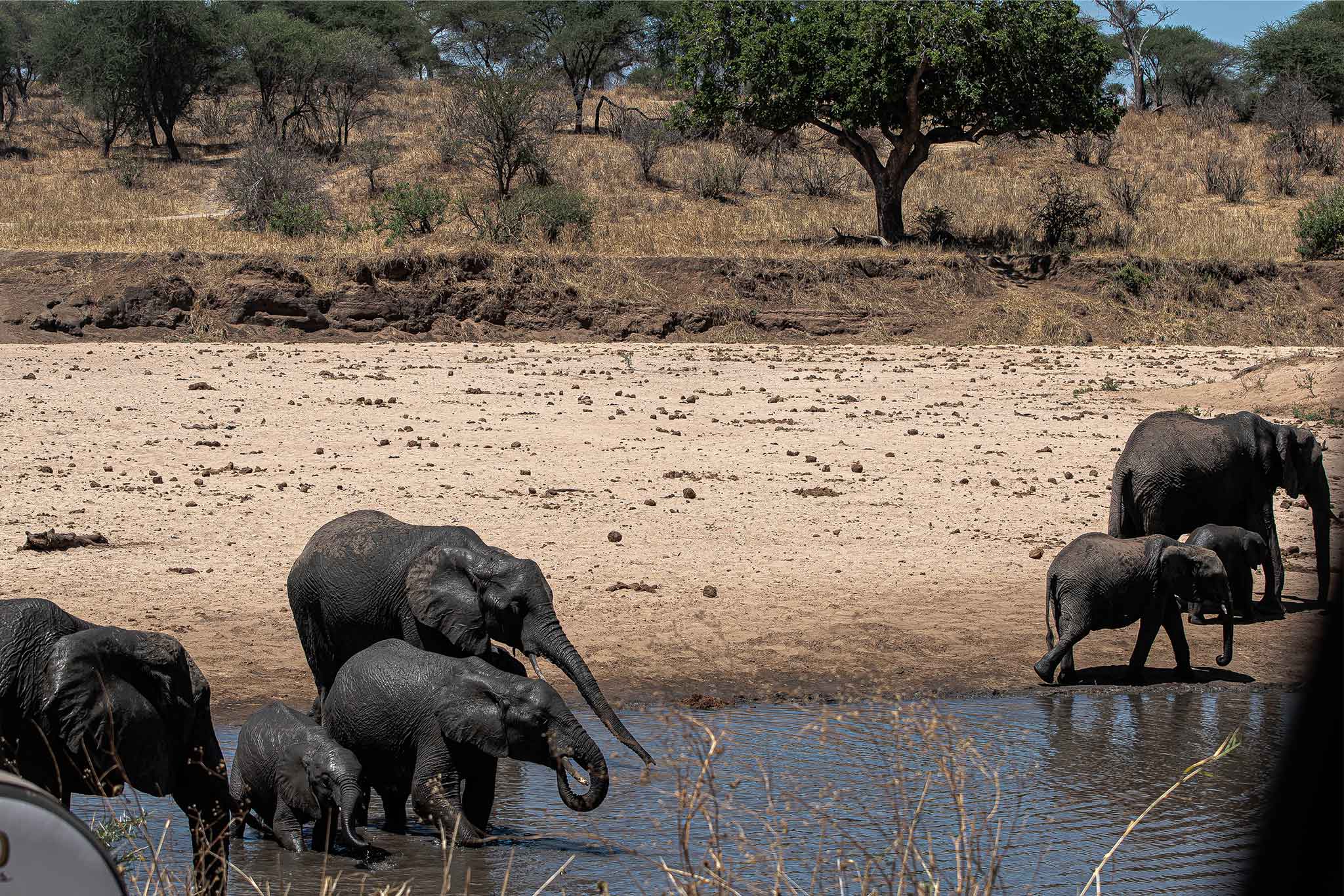
Africa’s Greatest Elephant Gathering

Tarangire hosts Tanzania’s largest dry-season elephant population – super-herds of 3,000+ animals parade past ancient baobabs. Leopards own every sausage tree while lions nap on termite-mound thrones. Uncrowded luxury lodges overlook this private-feeling paradise.
Tree-Climbing Lions & Infinity Views

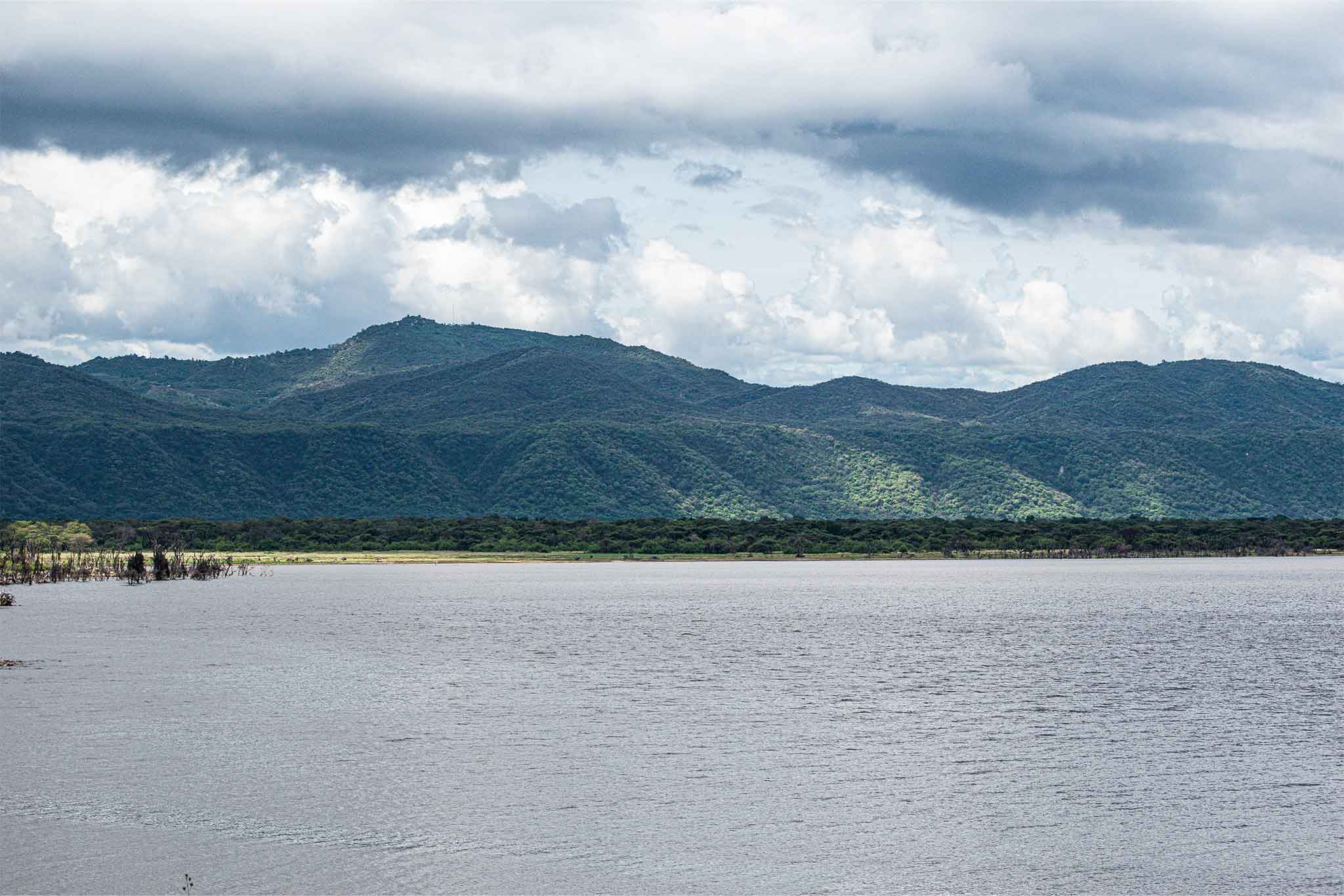
Lake Manyara delivers the world’s most reliable tree-climbing lions lounging high in acacias. Flamingo-pink soda lakes contrast the 600 m rift escarpment. Cliff-edge infinity pools hang over the entire Great Rift Valley.
Black-Maned Kings & Endless Golden Plains

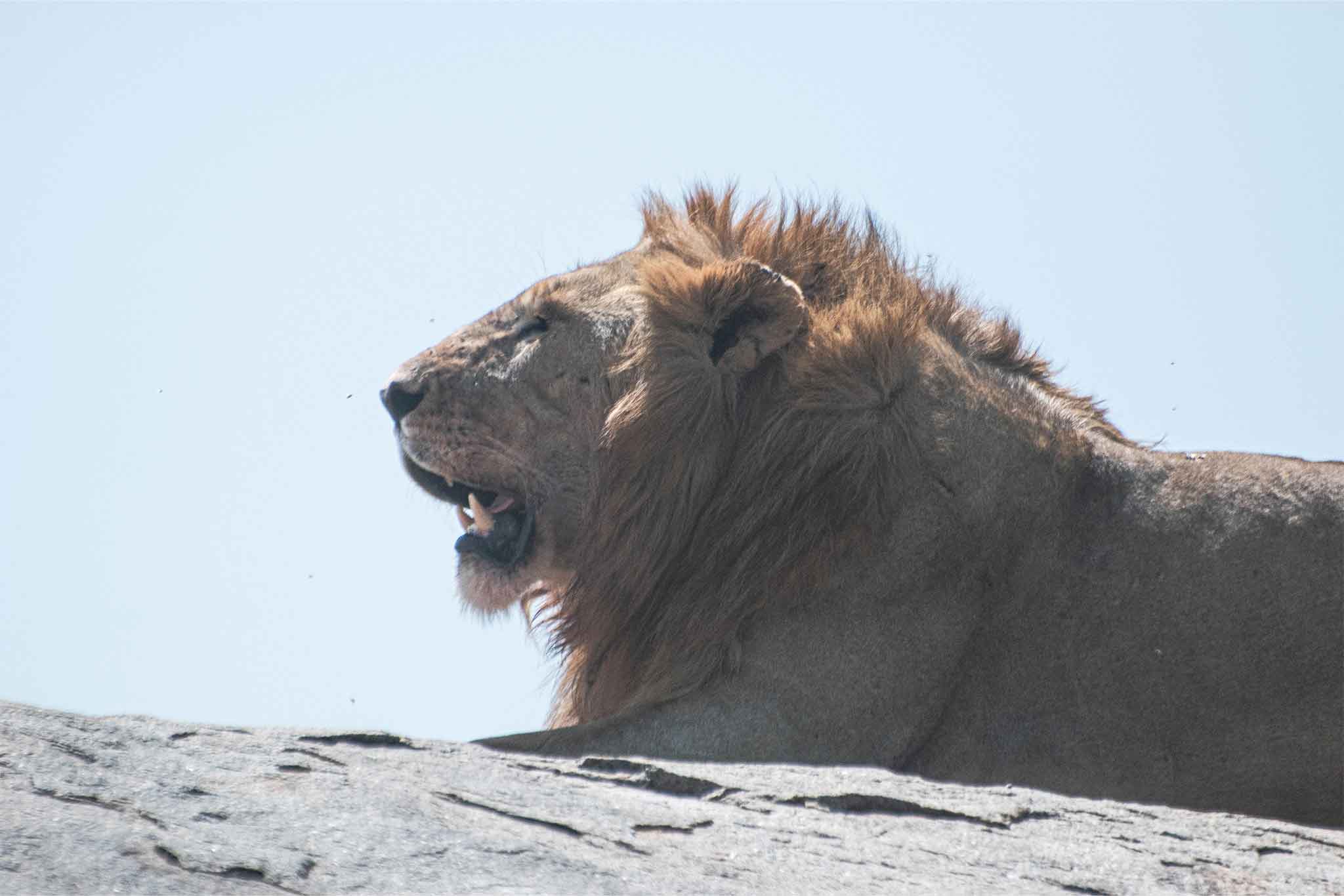
Seronera boasts Africa’s darkest-maned lions ruling granite kopjes. Leopards hang kills in daylight while cheetahs sprint 100 km/h. Hilltop lodges offer 360° forever views across the legendary “endless plains”.
Planet’s Highest Wildlife Concentration

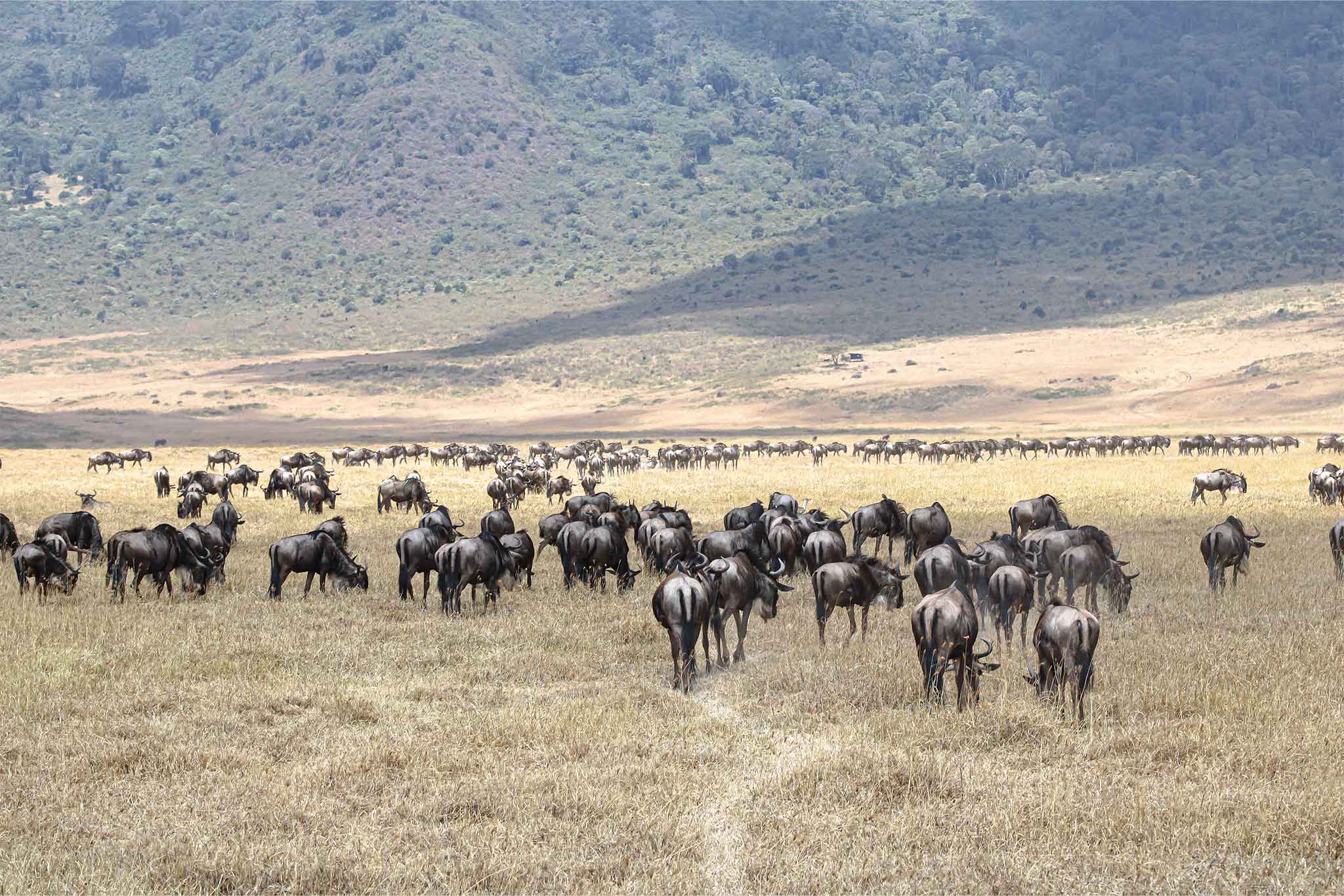
Ngorongoro packs 25,000+ animals into one 600 m-deep volcanic bowl. Black rhinos graze openly – Tanzania’s easiest sightings. Tusker elephants and black-maned crater lions dominate year-round. Rim lodges with fireplaces overlook this natural Eden.
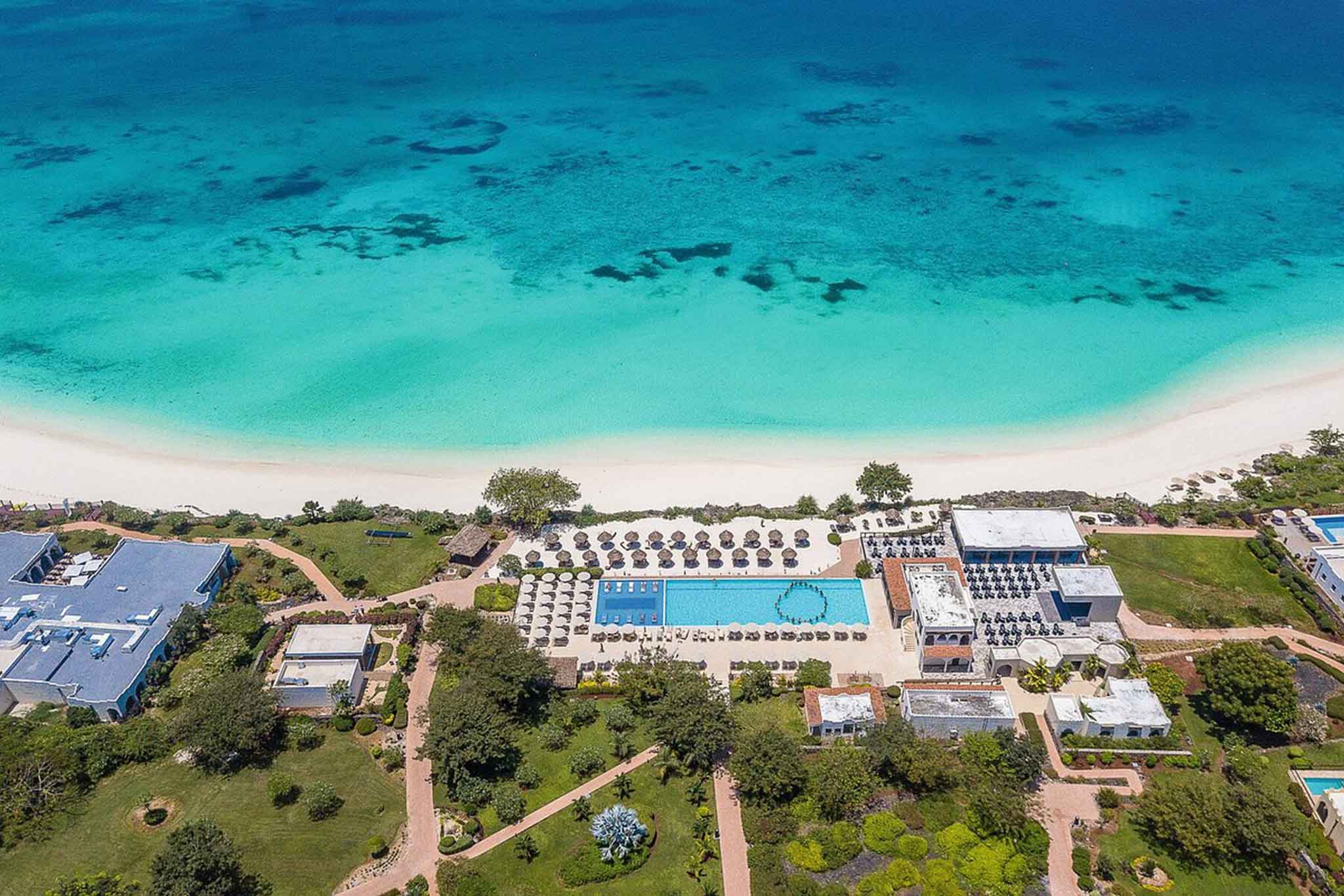
5-Star Ocean-Front Villas

Zanzibar’s powder-white east-coast beaches host ultra-luxury private villas with plunge pools and butler service. Turquoise lagoons, coconut palms, and Swahili doors create postcard-perfect barefoot romance.
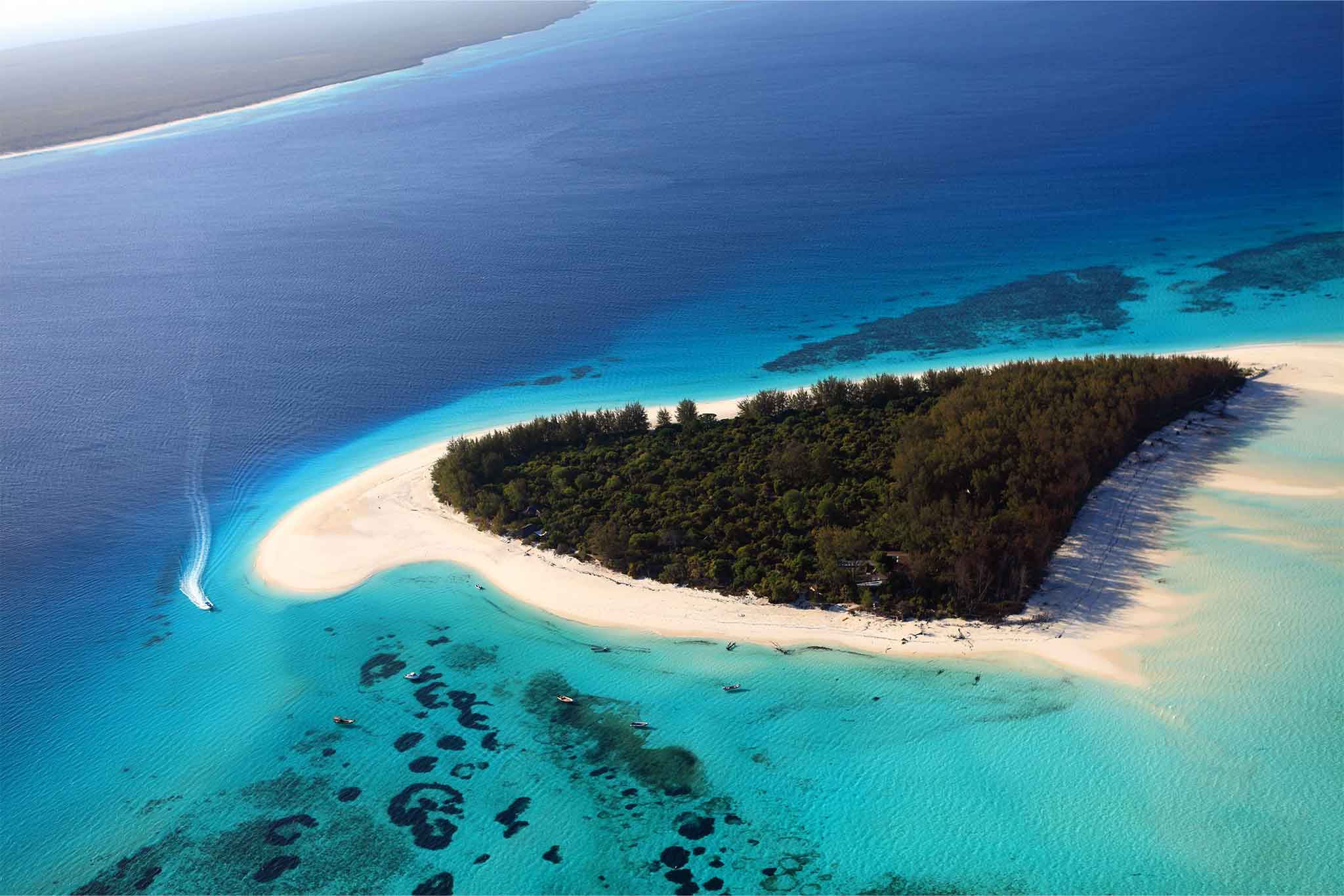
Mnemba Atoll – Indian Ocean’s Finest Coral Garden

Mnemba Atoll ranks among the world’s top snorkelling sites. Swim with green turtles, dolphins, and thousands of rainbow fish over pristine coral. Private dhow cruises deliver champagne sunsets on the water.
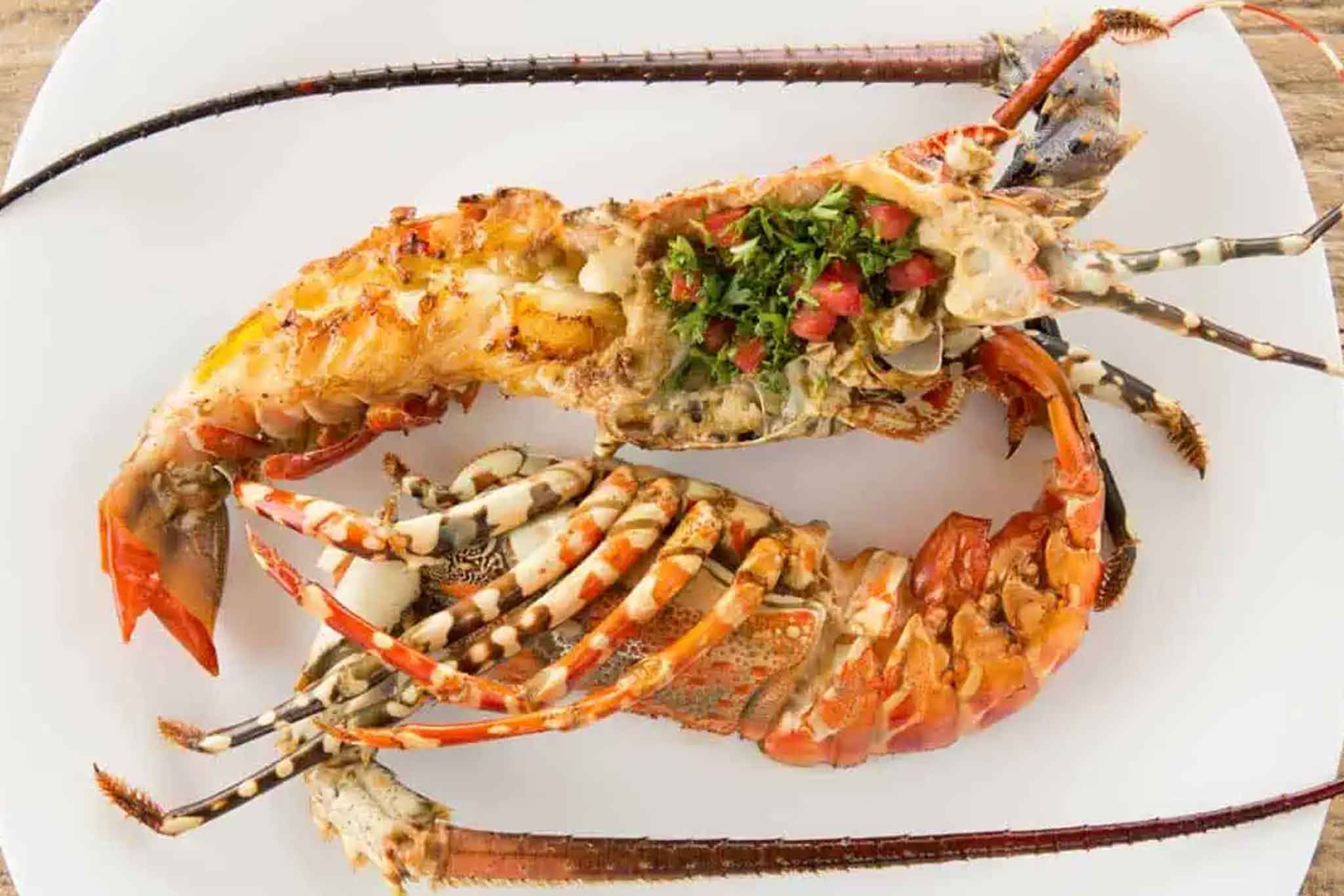
Castaway Lobster Lunch

Exclusive disappearing sandbank emerges at low tide for grilled-lobster picnics with chilled rosé. Nothing but turquoise ocean in every direction – ultimate honeymoon memory.
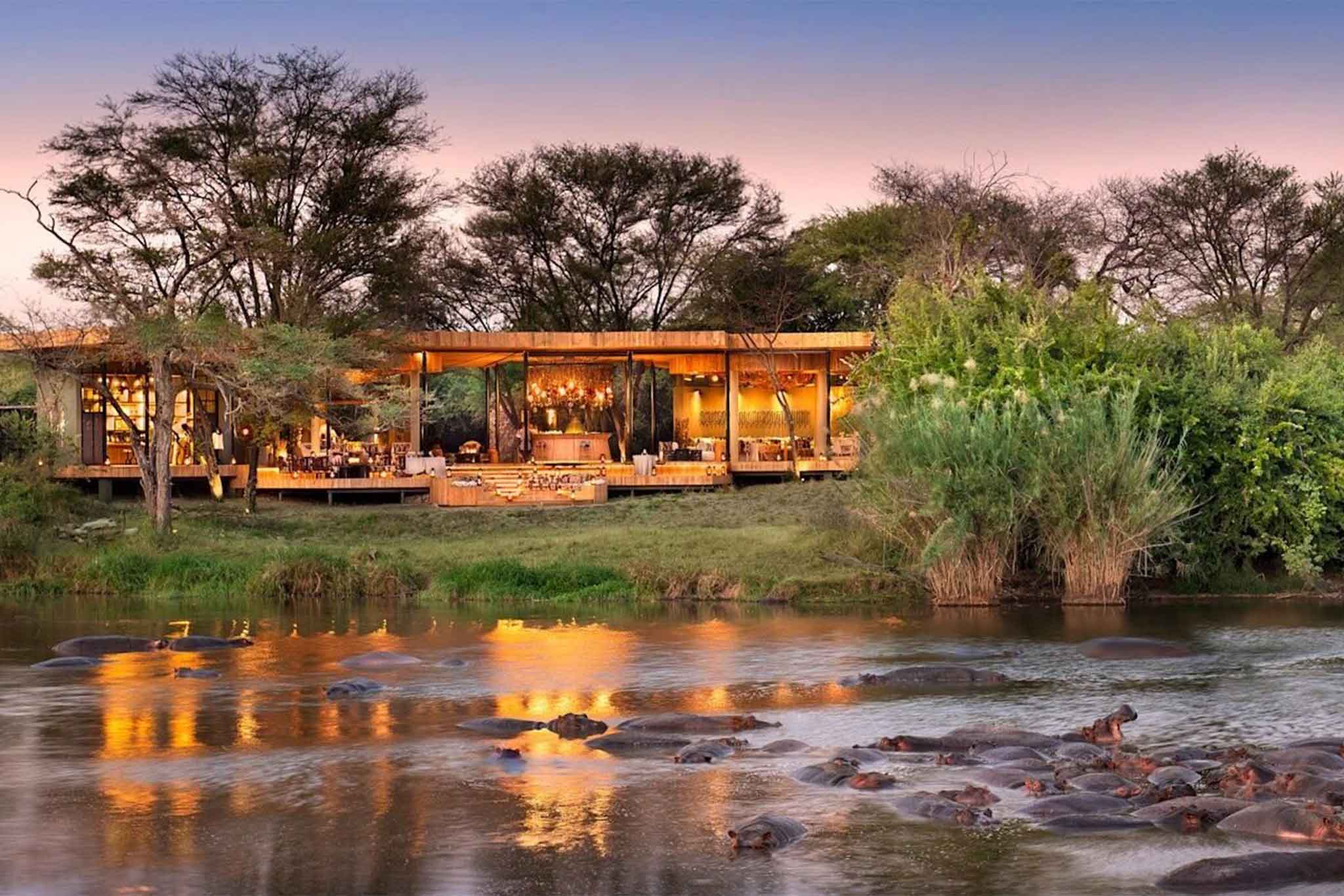
Year-Round Luxury Perfection

Dry season (June–October) offers dust-free Big Five photography and perfect beach weather. Green season (January–March) brings newborn calves, dramatic storms, and 20–25 % savings on the exact same luxury lodges and villas.

  • Day 1
  • Day 2
  • Day 3
  • Day 4
  • Day 5
  • Day 6
  • Day 7
  • Day 8
  • Day 9
  • Day 10
  • Day 11
  • Day 12
  • Day 13
Day 1

Arusha to Tarangire – Baobab Cathedrals Awaken

Leave the city behind as the road turns crimson and baobabs rise like upside-down giants older than Christ. Enter Tarangire where elephant matriarchs lead parades of floppy-eared babies to the river in slow-motion majesty. Leopards melt across sausage-tree branches like liquid gold. Picnic beneath a 2,000-year-old hollow baobab big enough to park a bus inside. Sunset turns the sky Maasai-red. Overnight Tarangire Sopa Lodge – pool glowing sapphire beneath star rivers.

Overnight:   

Meals: Dinner (D).

Day 2

Full Day Tarangire – Where Dust Writes Leopard Stories

Dawn paints the savannah rose-gold. Follow fresh leopard drag marks to impala kills still steaming in trees. Lion prides own termite-mound thrones while 500 elephants drink in perfect silhouette. Children of the dust – fringe-eared oryx and gerenuk – pose like runway models. Picnic under fever trees humming with weaver birds. Return dusty, sun-kissed, and forever changed.

Overnight: Lodge. 

Meals: Full board (B/L/D).

Day 3

Tarangire to Lake Manyara – Tree-Climbing Lions Defy Gravity

Drive along the Rift Valley wall with views that steal breath. Enter Manyara – a narrow emerald ribbon where lions nap in acacia branches like giant house cats. Buffalo herds of 1,000 thunder past hippo pods yawning pink caves. The soda lake flashes flamingo-pink against the escarpment. Overnight Escarpment Luxury Lodge – infinity pool hanging over the entire Great Rift Valley.

Overnight: Lodge – permanent tents with migration-view verandas, communal firepit, and starlit calving tales. 

Meals: Full board (B/L/D).

Day 4

Manyara to Serengeti – The Plains That Stole the Horizon

Cross the Ngorongoro highlands with crater viewpoints that make jaws drop. Descend into the Serengeti where the world forgets to end. First lion pride before lunch, black-maned kings surveying kingdoms from kopjes carved by giants. Leopard cubs dangle like spotted ornaments. Overnight Serengeti Serena Lodge – hilltop stone rondavels with endless views.

Overnight:  Lodge. 

Meals: Full board (B/L/D).

Day 5

Full Day Central Serengeti – Pride Rock is Real

Live the Lion King in real time. Cheetah brothers sprint 100 km/h across grass that sings under tyres. Hyena clans shadow every kill while bat-eared fox kits peek from burrows. Picnic on a kopje with 360° forever. Sundowner gin & tonic as the sky explodes tangerine and violet.

Overnight:  Lodge. 

Meals: Full board (B/L/D).

Day 6

Full Day Serengeti – Where the Sky Touches the Earth

Another day lost in infinity. Leopard dragging breakfast up a tree while cubs beg like kittens. Elephant breeding herds cross the horizon like slow-moving storms. Secretary birds stalk like Victorian gentlemen. Return to camp with windows down, wind carrying wild sage and distant thunder.

Overnight: Lodge. 

Meals: Full board (B/L/D).

Day 7

Serengeti to Ngorongoro – Descent into Eden

Morning game drive through golden grasslands. Ascend the crater rim with final topi races silhouetted against the sky. Descend 600 metres into the bowl that time forgot. Black rhinos graze like prehistoric tanks beside flamingo-pink lakes. Overnight Ngorongoro Serena Lodge – cliff-edge suites with fireplaces and caldera sunsets.

Overnight: Ngorongoro.

Meals: Full board (B/L/D).

Day 8

Dawn mist rises from Lerai Forest as black-maned crater lions patrol. Tusker elephants drink at freshwater springs. Golden jackals teach pups to hunt butterflies. Serval cats ghost through grass. Picnic beside hippos performing underwater ballet. Ascend the rim at golden hour with hearts too full for words.

Morning crater magic – serval cats ghosting through grass, golden jackals teaching pups to hunt butterflies. Afternoon: exclusive sunset visit to a private Maasai boma on the crater rim. Warriors teach fire-making with sticks, women show beadwork secrets, and children jump until their legs give out. Roast goat around the fire while elders tell stories of lion hunts under the same moon. Return to Farm House with stars dripping like diamonds.

Overnight: Ngorongoro.

Meals: Breakfast at lodge, picnic lunch (B/L).

Day 9

Ngorongoro to Arusha & Zanzibar – From Red Dust to Turquoise Dreams

Morning crater finale for rhino selfies and crowned crane dances. Gentle drive back to Arusha (3.5 hrs). Light lunch, freshen up, then transfer to Arusha Airport. 75-minute scheduled flight to Zanzibar (included). Met on arrival and transferred to your ocean-front villa at The Residence Zanzibar or similar 5-star property. Toes in powder sand before dinner.

Overnight: Ngorongoro.

Meals: Breakfast at lodge, picnic lunch (B/L).

Day 10

Zanzibar East Coast – Barefoot Villa Luxury

Wake to Indian Ocean waves lapping your private deck. Breakfast served on your terrace. Choose: spa morning, snorkelling the coral gardens, or simply floating in your infinity pool while staff bring fresh coconut and mango. Sunset dhow cruise with champagne and canapés.

Day 11

Zanzibar – Spice Islands & Stone Town Secrets

Private spice tour – cloves, vanilla, cinnamon growing wild. Lunch at a Swahili mansion. Afternoon in magical Stone Town: carved Zanzibari doors, Freddie Mercury's house, sunset from Africa House rooftop. Return to your villa for an ocean-front dinner under lantern light.

Day 12

Zanzibar – Mnemba Atoll & Private Sandbank

Full-day private dhow to Mnemba Atoll – snorkel with turtles and rainbow fish over coral cathedrals. Castaway picnic on a disappearing sandbank: grilled lobster, chilled rosé, nothing but ocean in every direction. Return for spa couples treatment as the sun melts into the sea.

Day 13

Zanzibar to Home – Hearts Full of Africa

Final sunrise swim. Breakfast on the beach. Transfer to Zanzibar Airport for your international flight home wearing new Maasai bead bracelets and carrying memories heavier than any suitcase.

More about Lake Manyara National Park Discover Lake Manyara National Park

Lake Manyara National Park, a compact 330 km² rift-valley jewel 120 km west of Arusha, enchants with its soda-ash Lake Manyara covering two-thirds of the terrain and the dramatic 600 m Gregory Rift escarpment rising sharply behind. This UNESCO Man and Biosphere Reserve blends alkaline waters, groundwater forests, and acacia woodlands into a photographer’s paradise, best known for tree-climbing lions and massive flamingo flocks. Vegetation zones shift from evergreen forest fed by underground springs—home to mahogany, sausage trees, and wild fig—to open grasslands and fever-tree swamps, creating layered habitats that support dense wildlife year-round. Weather patterns mirror the Northern Circuit: the June–October dry season delivers clear skies, 25–30°C (77–86°F) days, and crisp 15°C (59°F) nights, concentrating animals at the lake. Short rains (November–December) bring afternoon showers and lush regrowth, while the long wet season (March–May) sees 20–28°C (68–82°F) temperatures and occasional road challenges. January–February offers warm, dry calving-season viewing with minimal crowds. Geologically, the park sits on the active East African Rift, where tectonic stretching formed the escarpment and hot springs bubble along fault lines, feeding the lake’s alkaline chemistry (pH 9–10). Seasonal flooding from rift rivers creates hippo pools and mudflats, while ancient volcanic ash enriches soils for baobab and doum palms. Iconic animals include tree-climbing lions lounging in acacias, large elephant troops, buffalo herds, and blue monkeys swinging through the canopy. Resident giraffes, zebras, warthogs, and dik-diks roam the plains, with baboon troops dominating the forest. Over 400 bird species make Lake Manyara a birding hotspot. Resident pink-backed pelicans, yellow-billed storks, and thousands of lesser flamingos form rose-colored carpets on the lake. Forest dwellers include silvery-cheeked hornbills, crowned eagles, and Narina trogons. Migratory visitors arrive from November–April, including Eurasian waders, pallid harriers, and great white pelicans, turning the soda shores into a global avian spectacle.

More about Ngorongoro Conservation Area

Ngorongoro Conservation Area, a UNESCO World Heritage Site spanning 8,292 km² in Tanzania's Northern Circuit, stands as a living laboratory of nature and human evolution just 180 km west of Arusha. This multi-use protected zone harmonizes wildlife, Maasai pastoralism, and archaeology, with the iconic 260 km² Ngorongoro Crater—a 600 m-deep volcanic caldera—as its centerpiece. Beyond the crater, the vast highlands encompass Olmoti and Empakaai craters, the Gol Mountains, and Olduvai Gorge, offering diverse Tanzania safaris from high-altitude forests to arid plains, ideal for cultural tours and paleoanthropological insights. Vegetation across Ngorongoro varies dramatically: the crater floor hosts short-grass savannah with fever trees and yellow-barked acacias around soda Lake Magadi, while crater rims (2,200–3,600 m) feature montane forests of croton, olive, and podocarpus draped in old man's beard lichen. Highland plateaus bloom with giant lobelias and red-hot pokers in moorlands, transitioning to open grasslands and acacia woodlands on the eastern plains toward Serengeti. Lerai Forest's groundwater thickets provide evergreen shade, creating layered habitats that support year-round biodiversity in this volcanic Eden. Weather in Ngorongoro Conservation Area follows highland patterns: the June–October dry season delivers crisp 20–25°C (68–77°F) days and near-freezing nights on the rims, concentrating wildlife in the crater. Short rains (November–December) bring misty afternoons and wildflower carpets, while the long wet season (March–May) cloaks the area in emerald with 15–22°C (59–72°F) temperatures and occasional fog—perfect for lush photography, though roads slick. January–February offers warm, dry calving-season viewing with fewer crowds. Geologically, Ngorongoro formed 2–3 million years ago when a massive volcano rivaling Kilimanjaro collapsed into its emptied magma chamber, creating the world's largest intact caldera. The active East African Rift continues to shape the area through faulting and uplift, with Olmoti's breached crater and Empakaai's soda-filled basin evidencing ongoing volcanism—fumaroles still steam in remote vents. Alkaline soils from ash deposits enrich grasslands, while rift valleys carve dramatic escarpments, fostering isolated ecosystems. Beyond the crater, attractions abound: Olmoti Crater's waterfall hike reveals Munge River cascades; Empakaai Crater's flamingo-filled lake invites rim walks with views to active Ol Doinyo Lengai volcano. The shifting sands of the Gol Mountains—dune-like ash deposits—offer surreal landscapes, while Nasera Rock provides climbing and hyrax spotting. Olduvai Gorge, the "Cradle of Mankind," preserves 1.9-million-year-old hominid footprints at Laetoli and Zinjanthropus fossils, tracing human evolution from Australopithecus to Homo habilis amid layered sedimentary strata. Maasai bomas allow cultural immersion with livestock herding and beadwork demonstrations, blending conservation with indigenous livelihoods. Wildlife density in Ngorongoro Crater is legendary—25,000 large mammals, including black rhinos, high-density lions, elephants, and the Big Five, year-round. Golden jackals, serval cats, and spotted hyenas patrol the floor, while buffalo herds and wildebeest dominate the plains. Outside, the highlands host eland, mountain reedbuck, and leopards in forests; the conservation area's vastness supports migrating herds linking to the Serengeti. Over 500 bird species enrich Ngorongoro, with crater residents like lesser flamingos carpeting Lake Magadi, ostriches striding grasslands, and Schalow's turaco in rim forests. Raptors, including augur buzzards and Verreaux's eagles, soar the caldera walls. Migratory Palearctic species arrive from  November–April, with white storks, Abdim's storks, and European rollers joining resident flocks, turning wetlands into a seasonal birding spectacle in this evolutionary hotspot.

More about Serengeti National Park Discover Serengeti National Park

Serengeti National Park, Tanzania’s crown jewel and a UNESCO World Heritage Site spanning 14,750 km², delivers the planet’s greatest wildlife spectacle—the annual Great Migration of over 1.5 million wildebeest. Stretching from the Ngorongoro highlands to Kenya’s Maasai Mara, this endless plain (“Serengeti” in Maasai) features classic acacia-dotted grasslands, riverine forests along the Grumeti and Mara rivers, and rocky kopjes rising like islands. Vegetation shifts from short-grass plains in the south—perfect for grazing—to tall savannah and thorny scrub in the west, with sausage trees and fig groves lining waterways that sustain life year-round. Weather follows a classic East African rhythm: the June–October dry season brings golden landscapes, 25–30°C (77–86°F) days, and chilly 14°C (57°F) nights, concentrating herds at rivers. Short rains (November–December) spark fresh grass and calving, while the long wet season (March–May) cloaks the plains in emerald with 20–28°C (68–82°F) temperatures and dramatic thunderstorms. January–February offers prime migration viewing on the southern plains with minimal rain. Geologically, the Serengeti lies on the stable Craton plateau edged by the active East African Rift, where ancient volcanic activity from the Ngorongoro highlands deposited nutrient-rich ash. Granite kopjes—billion-year-old outcrops—dot the horizon, providing lookout posts for lions and leopards. Seasonal rivers carve dramatic gorges, and soda lakes like Magadi attract flamingos, while underground aquifers feed oases during droughts. Home to the Big Five, the park hosts 3,000 lions, dense leopard populations in riverine thickets, and cheetahs sprinting across open plains. Resident elephants, buffalo, giraffes, and rhinos roam alongside hyenas, jackals, and over 70 large mammal species. The Great Migration—wildebeest, zebra, and gazelle—cycles clockwise, with dramatic river crossings June–July and calving on southern plains January–March. Over 500 bird species thrive here, from resident ostriches, secretary birds, and kori bustards striding the grasslands to lilac-breasted rollers and grey-crowned cranes in acacia groves. Raptors like martial eagles and vultures circle kopjes. Migratory species arrive November–April, including European storks, Abdim’s storks, and steppe eagles, joining resident flocks at seasonal pans for a birding bonanza unmatched in Africa.

More about Tarangire National Park Discover Tarangire National Park

Tarangire National Park, Tanzania’s sixth-largest park spanning 2,850 km², captivates visitors with its dramatic baobab-studded savannah and the life-giving Tarangire River. Located 140 km southwest of Arusha in the Northern Circuit, this underrated gem offers year-round wildlife viewing, especially during the June–October dry season when massive elephant herds converge on the river. The park’s diverse vegetation includes open grasslands, acacia woodlands, riverine forests, and ancient baobab groves—iconic “upside-down trees” that store water and provide shade for animals. Swampy areas near Silale and Gursi support lush palms and fever trees, creating perfect habitats for birdlife and big game. Weather in Tarangire National Park varies distinctly: the dry season (June–October) brings sunny days with temperatures of 25–30°C (77–86°F) and cool nights around 15°C (59°F), ideal for dust-free game drives. The short rains (November–December) refresh the landscape with brief afternoon showers, while the long wet season (March–May) transforms the park into a green paradise with temperatures 20–28°C (68–82°F) but muddy roads. January–February offers warm, dry conditions perfect for calving season sightings. Wildlife thrives here, with Tarangire boasting Tanzania’s highest elephant density—up to 3,000 individuals forming multi-generational herds. Resident animals include lions, leopards, cheetahs, giraffes, zebras, wildebeest, buffalo, and elusive species like fringe-eared oryx and gerenuk. Predators patrol the riverbanks, while hyenas and jackals scavenge the plains. Birdwatchers flock to Tarangire for over 550 resident species, including yellow-collared lovebirds, rufous-tailed weavers, and the endemic ashy starling. Raptors like bateleur eagles and martial eagles soar overhead, while waterbirds—Egyptian geese, pelicans, and herons—gather at swamps. Migratory birds arrive November–April, with Eurasian rollers, white storks, and Abdim’s storks joining the chorus, making Tarangire a top Tanzania birding destination year-round.

More about Zanzibar

Best 8-Day Wildebeest Calving Safari Tanzania | All-Year-Round Road-Only Southern Serengeti | Ndutu Newborn Drama Jan–Mar

There are no comments yet.

More about this tour

Location Overview
This ultimate 13-day luxury journey marries the complete UNESCO World Heritage Northern Circuit with the turquoise Indian Ocean paradise of Zanzibar’s east coast. Safari destinations lie 120–250 km west and northwest of Arusha (1,400 m/4,600 ft), the elegant safari capital at the foot of Mount Meru. The itinerary then leaps to Zanzibar’s spice-scented shores, where powder-white beaches, coral gardens, and private sandbanks create the planet’s most romantic post-safari escape.

Tarangire National Park (2,850 km²): 140 km southwest of Arusha. Rolling golden hills stitched with Africa’s greatest concentration of ancient baobabs and the seasonal Tarangire River. Dry-season elephant super-herds of 3,000+ animals (June–October peak) share waterholes with leopard-rich sausage trees.

Lake Manyara National Park (330 km²): 120 km west of Arusha. A slender emerald ribbon pressed between the flamingo-pink soda waters of Lake Manyara and the sheer 600 m Gregory Rift escarpment. World-famous for tree-climbing lions, vast buffalo herds, and groundwater forests alive with blue monkeys.

Serengeti National Park – Central/Seronera sector (14,763 km² total): 200–250 km northwest of Arusha. The legendary “endless plains” studded with granite kopjes and acacia woodlands. Year-round stronghold of black-maned lions, leopards, cheetahs, and elephants, framed by cinematic African sunsets.

Ngorongoro Crater (260 km² floor): 180 km west of Arusha within the 8,300 km² Ngorongoro Conservation Area. The world’s largest unbroken volcanic caldera – a 600 m-deep natural amphitheatre cradling 25,000+ large mammals year-round, including critically endangered black rhinos and Africa’s densest lion population.

Zanzibar East Coast & Mnemba Atoll: 75-minute flight from Arusha. Pristine powder-white beaches fringed by coconut palms and turquoise lagoons. Home to 5-star ocean-front villas with private plunge pools. The protected Mnemba Atoll – a 20-minute dhow sail away – is one of the Indian Ocean’s finest coral-reef systems, bursting with turtles, dolphins, and rainbow-coloured fish.

Private Sandbank (Mnemba area): A disappearing crescent of pure white sand that emerges only at low tide. Exclusive castaway picnics with grilled lobster and chilled rosé while the ocean stretches unbroken to every horizon.

Geography & Access
Terrain: Baobab savannah, rift-valley lakes, endless grasslands, volcanic caldera, coral-reef lagoons, and powder-sand beaches.
Altitude Range: 950–2,400 m (3,100–7,870 ft) on safari; sea level on Zanzibar.
Travel Times (road on mainland): Tarangire 2 hrs; Manyara 1.5 hrs; Central Serengeti 4.5–5.5 hrs; Ngorongoro 3–3.5 hrs. Day 9: 75-minute scheduled flight Arusha → Zanzibar.
Gateway: Kilimanjaro International Airport (JRO) → Arusha (45 min private transfer).
Year-round access via private pop-up roof 4×4 on the mainland; dry season (June–October) delivers dust-free Big Five photography and perfect beach weather, while green season (January–March) brings newborn calves, dramatic storms, and lower rates for the same luxury experience.
Destinations
Cities
Our Newsletter

Subscribe to our newsletter and get exlusive first minute offers straight into your inbox.

    Destinations
    Cities
    Our Newsletter

    Subscribe to our newsletter and get exlusive first minute offers straight into your inbox.

      Visit us on Social Networks

      https://thewovenexperience.com/wp-content/uploads/2018/08/Travelicious-logo-footer.png

      Visit us on Social Networks

      Close

      13-Day Classic Northern Circuit & Zanzibar Beach – Most Popular Luxury Combo

      Price
      $490 per person
      Duration
      13 Days
      Destination
      More than 1
      Travellers
      1+

        Preferred Currency:

        1. Who are you travelling with? *

        2. When do you want to travel? *

        3. Accommodation preference? *

        4. Proffered communication list? *


        Travellers


        Anything else you'd like to share?

        Your contact details


        I give permission to receive a travel proposal and related information.
        Would you like to know about our volunteering packages?

        Discount code (if any)

          Enquiry about the Tour availability or anything you’d like to know. Required fields are marked *