
3-Day Tarangire & Ngorongoro Camping Safari from Arusha
- Information
- Tour Plan
- Location
- Gallery
- Reviews
- Additional Info
- Similar Tours
- Expert Safari Guide
What's included
- 2 free nights at The Woven House, Arusha, with all meals and Wi-Fi
- A guided tour
- Accommodation
- All park entry fees for destinations
- Bottled drinking water during game drives
- Cultural visits
- Cultural visits (Afrikan Wear Design workshop and a cooking class at The Woven House)
- Dome tents and foam sleeping mats
- Government taxes and VAT
- Private 4x4 safari vehicle with pop-up roof
- Professional English/Language of preference-speaking driver-guide
- Sleeping bags
- Unlimited game drives as per itinerary
- Additional hotel nights outside itinerary
- Alcoholic (unless stated)
- Drinks and meals not specified
- Hot air balloon safari
- International flights
- Optional activities not listed in itinerary
- Personal expenses (laundry, souvenirs, etc.)
- Services not specifically stated in the itinerary
- Tanzania Inbound Travel Insurance (US$44 per person, mandatory for visitors from 1 October 2026)
- Visa fees for Tanzania
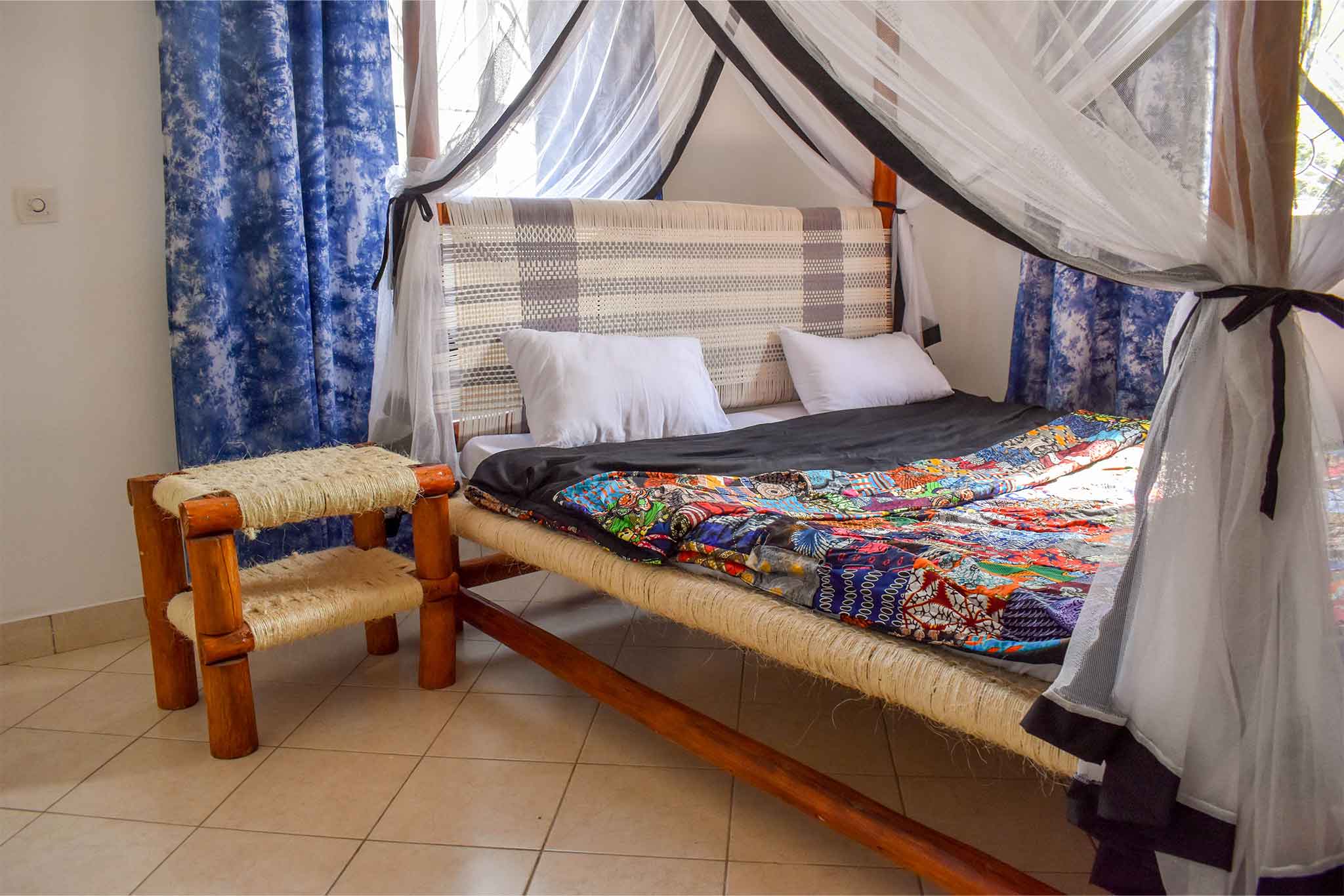 The Woven House, Arusha — Your Complimentary Pre & Post Safari Home
Nestled in the quiet Njiro neighbourhood of Arusha, The Woven House is a warm, community-run guesthouse rated 9.5 out of 10 on Booking.com and praised by guests from across the world for its genuine hospitality, extraordinary home-cooked meals, and the family atmosphere that makes it feel less like accommodation and more like staying with friends — your f
ree night here on arrival and departure includes all meals, WiFi, and transfers, and guests are welcome to join a Tanzanian cooking class in the kitchen or visit the neighbouring Afrikan Wear Design artisan workshop at no extra cost.
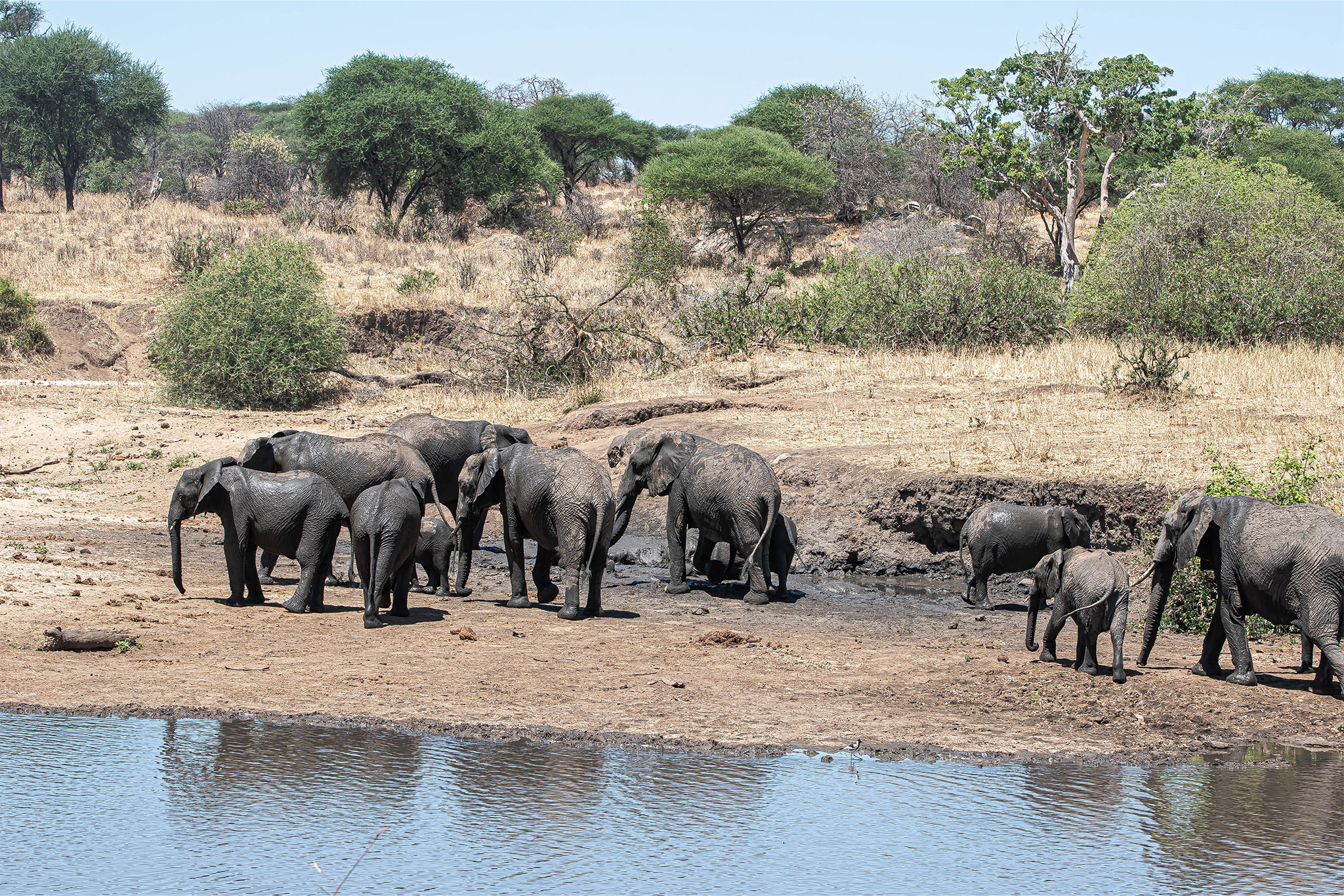 Tarangire National Park- Elephant Paradise
Tarangire is Africa’s great elephant highway — a 2,850 km² park in the Tanzanian savannah where the permanent Tarangire River acts as a magnet for wildlife during the dry season, drawing over 3,000 elephants from acros
s the M
aasai steppe to drink and bathe beneath ancient baobab trees that have stood for over a thousand years; lion prides rest in the shade of jackalberry trees, leopards scan the riverbanks at dusk, fringe-eared oryx and greater kudu move through the golden grass, and over 550 bird species fill the air with colour and sound — making Tarangire one of the most biologically rich and visually spectacular parks in all of East Africa.
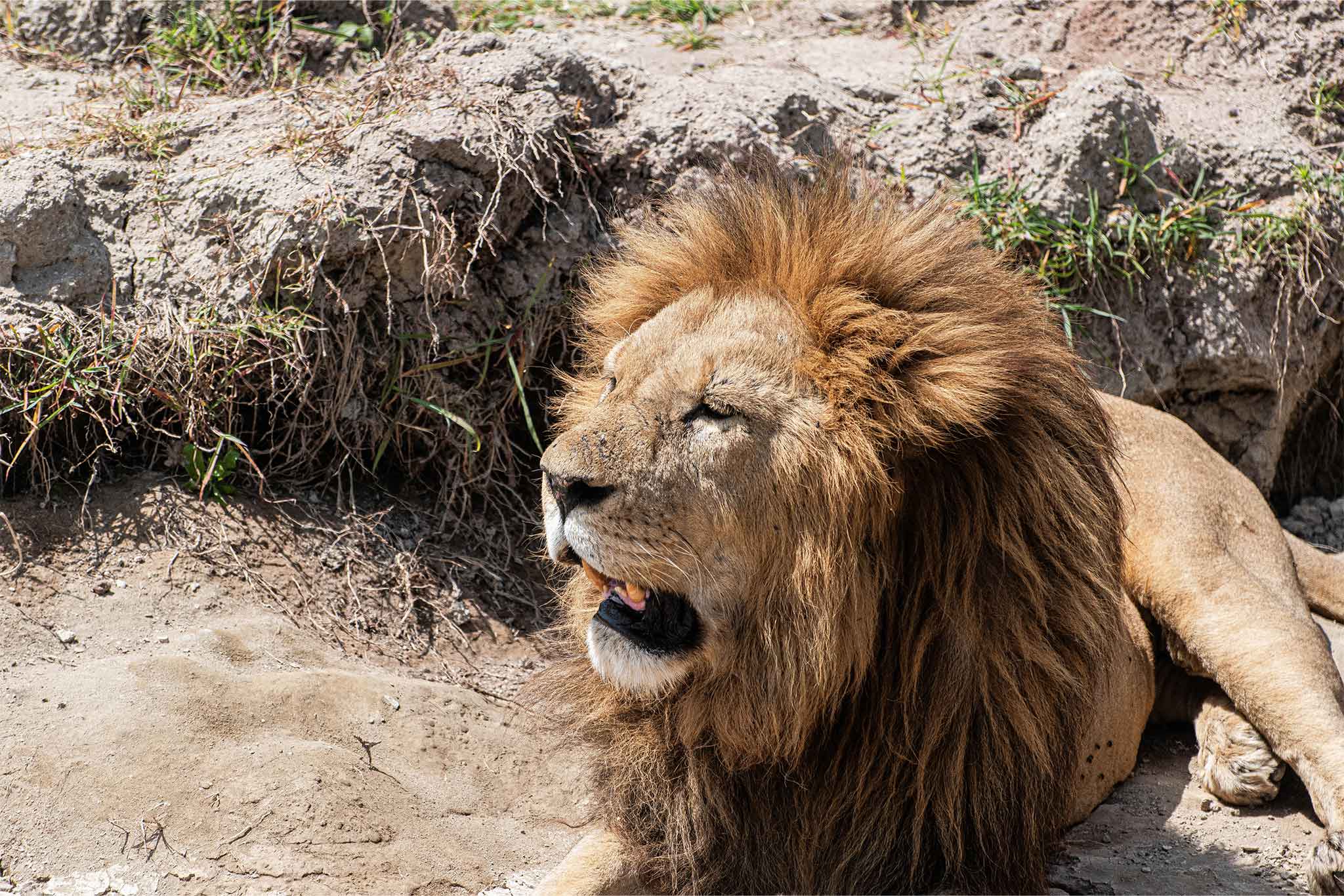 Ngorongoro Crater-Home of the Big 5
The Ngorongoro Crater is the world’s largest intact and unflooded volcanic caldera — a 260 km² natural amphitheatre enclosed b
y walls
rising 600 me
tres from the floor, within which 25,000 large mammals live permanently, including all of the Big Five, Africa’s densest population of large predators, the iconic black-maned Ngorongoro lions, thousands of wildebeest and zebra grazing the open grassland, hippos wallowing in the central pool, and one of East Africa’s last viable populations of the critically endangered black rhino; arriving at the crater rim as the morning mist rises from the forest below and descending through the cool highland woodland into this ancient, self-contained wildlife world is one of the most memorable moments in African travel.
- Day 1
- Day 2
- Day 3
- Day 4
- Day 5
Arrival in Arusha (Free Night at The Woven House)
Arrive at Kilimanjaro International Airport (JRO) or Arusha Airport (ARK). Your Woven Experience driver meets you and transfers you to The Woven House at no charge. Settle into your private room, enjoy a home-cooked Tanzanian welcome dinner, and meet your safari guide for a briefing.
Overnight: The Woven House, Arusha
Meals: Dinner
Arusha to Tarangire National Park
Wake up to a full breakfast at The Woven House. Depart Arusha by 07:00 in your 4x4 Land Cruiser with pop-up roof. The drive to Tarangire is approximately 2 hours (120 km) through the Maasai steppe — watch for Maasai herders and giraffes along the road before you even enter the park. Arrive at the main gate and enter the park for a full-day game drive along the Tarangire River. The river is a magnet for wildlife in the dry season — expect enormous elephant herds, lion prides, leopard in acacia trees, giraffe, zebra, wildebeest, buffalo, impala, and over 550 bird species. Set up camp at the public campsite inside the park as the sun goes down. Your camp cook prepares dinner around the campfire. Sleep under a sky full of stars as lions call in the distance.
Wildlife Focus: Elephants, lions, leopards, giraffes, zebras, wildebeest, baboons, over 550 bird species, including yellow-collared lovebirds and Ashy starlings.
Overnight: Public campsite, Tarangire National Park
Meals: Breakfast, lunch, dinner
Tarangire Morning Drive, Then Ngorongoro Conservation Area
Early morning game drive at first light — this is when predators are most active. Return to camp for breakfast, pack up, and depart Tarangire by 10:00. From Tarangire, you head north to Makuyuni, then west through Mto wa Mbu and up to Ngorongoro. The landscape changes dramatically as you climb from dry savannah to lush montane forest. Arrive at the crater rim in the afternoon — the views from the rim are breathtaking even before you descend. Set up camp at the crater rim public campsite. Enjoy a sundowner as the mist rolls in over the forest and the crater fades into the evening below you. Your cook prepares dinner as temperatures drop — the Ngorongoro Crater rim sits at 2,300 metres, and nights are cool. Bring a warm layer.
Wildlife Focus: Early-morning predators along the Tarangire River, elephants and buffalo in the crater-rim forest, and highland views across the Ngorongoro Crater.
Overnight: Public campsite, Ngorongoro Crater Rim
Meals: Breakfast, lunch, dinner
Full Ngorongoro Crater Game Drive, Then Return to Arusha
Up at 06:00 for a packed breakfast and an early descent into the crater. The steep, forested walls give way to an enormous open caldera — a world unto itself. Spend the full morning on the crater floor (about 5–6 hours). Target the black rhino in the open swamp areas around Gorigor, watch lion prides and spotted hyena clans around the central lake, and scan the pink-fringed shores for flamingos. Enjoy a picnic lunch at the hippo pool. In the early afternoon, ascend the crater and drive back to Arusha, arriving in time for dinner at The Woven House. Debrief the safari, share photos, and relax.
Wildlife Focus: Black rhino (rare), black-maned lion, spotted hyena, African elephant, buffalo, wildebeest, zebra, flamingo flocks, crowned crane.
Overnight: The Woven House, Arusha
Meals: Breakfast, picnic lunch, dinner
Departure Day: Morning at Leisure and Airport Transfer
Spend your final morning at leisure. Optional free visit to Afrikan Wear Design to see the weaving and beading workshop, pick up handmade souvenirs directly from the artisans, and support the women-led social enterprise behind your safari. Late checkout available. Transfer to Kilimanjaro International Airport when ready.
Overnight: None (departure)
Meals: Breakfast (Other meals depend on your flight time)
More about Ngorongoro Conservation Area
More about Tarangire National Park Discover Tarangire National Park
More about this tour
Location Overview
This perfectly compact 3-day itinerary links two of Tanzania's most wildlife-dense destinations — Tarangire National Park and the Ngorongoro Crater — in a logical southwest arc from Arusha. Both destinations are accessible on sealed or well-graded murram roads and deliver exceptional wildlife viewing year-round. Arusha (1,400m / 4,600ft), your starting and finishing point, sits at the foot of Mount Meru in the heart of northern Tanzania's safari corridor.
Tarangire National Park (2,850 km²) — 120 km southwest of Arusha
A gently rolling landscape of golden savannah threaded by the permanent Tarangire River — the single most important dry-season water source in the region and the reason this park hosts Africa's highest elephant concentration outside Botswana. During the dry season (June–October) over 3,000 elephants congregate along its banks. The park's defining visual elements are its ancient baobab trees — some over 1,000 years old — whose sculptural silver trunks and canopy silhouettes create some of Africa's most iconic landscapes. Beyond elephants, Tarangire hosts fringe-eared oryx, greater kudu, over 550 recorded bird species, and year-round predators including lion, leopard, and one of the northern circuit's last viable African wild dog populations.
Ngorongoro Conservation Area & Crater (8,300 km² NCA; 260 km² crater floor) — 180 km west of Arusha
A UNESCO World Heritage Site and one of the Seven Natural Wonders of Africa, Ngorongoro Crater is the world's largest intact and unflooded volcanic caldera. The 600m-deep crater walls form a natural enclosure holding 25,000+ large mammals year-round — including all Big Five, Africa's densest population of large predators, and a small breeding population of critically endangered black rhino. The crater floor encompasses open grassland, acacia woodland, fresh and salt water lakes (where flamingo flocks gather), swamps, and the famous hippo pool. The transition from the crater rim's cool montane forest (2,300m / 7,500ft) to the crater floor is one of the most dramatic landscape changes in any single game drive in Africa.
Geography & Access:
Terrain: Baobab savannah, rift valley escarpment, volcanic caldera grassland.
Altitude range: 1,400m (Arusha) to 1,600m (Tarangire plains) to 2,300m (Ngorongoro rim) to 1,700m (crater floor). Travel times: Tarangire 2 hrs from Arusha; Ngorongoro 3.5 hrs from Arusha.
Gateway: Kilimanjaro International Airport (JRO) → Arusha (45 min transfer).
Best Time to Do a 3-Day Camping Safari in Tanzania
✅ Best Months: June to October (Dry Season) | January to March (Calving Season)
For a 3-day itinerary focused on maximum wildlife viewing in minimum time, the dry season from June to October is ideal. Vegetation is sparse, animals concentrate at water sources, and the roads inside Tarangire and Ngorongoro are firm and easily navigable. The Tarangire River in July–September can have 200+ elephants visible in a single afternoon. In Ngorongoro Crater, the black rhino is most frequently spotted on the open grassland during the dry months. January and February are equally excellent — calving season predator action in the southern Serengeti does not apply to this itinerary, but Ngorongoro Crater is lush and green, flamingo numbers are at their peak, and tourist numbers are at their lowest.
⚠️ Avoid If Possible: April and May (Long Rains)
The long rains (April–May) bring heavy, sustained rainfall that can make murram roads within the parks difficult and muddy. Wildlife viewing is still possible but game drives are shorter and conditions less predictable. This is the low season for a reason — not recommended for a short 3-day trip where every hour counts.
📝 Weather Note: Ngorongoro Crater rim temperatures (2,300m) are significantly cooler than the plains below. Expect night temperatures of 7–12°C on the rim even in the dry season. A warm jacket and good sleeping bag are essential regardless of travel month.
🌦️ Full Year Weather Pattern — Northern Circuit Parks
All temperatures are daytime ranges for the main park areas on this itinerary. Ngorongoro Crater rim nights are significantly cooler — see weather note above. Ratings are for overall safari suitability combining wildlife viewing, road conditions, and weather comfort.
| Month | Temp (°C) | Rain | Humidity | Crowds | Wildlife | Verdict |
| Jan | 15–25°C* | Low–Mod | Moderate | Low | Excellent | ⭐⭐⭐⭐⭐ *Rim nights cold |
| Feb | 15–25°C* | Low–Mod | Moderate | Low | Excellent | ⭐⭐⭐⭐⭐ *Rim nights cold |
| Mar | 13–23°C* | Moderate | Moderate | Low–Med | Very Good | ⭐⭐⭐⭐ *Rain possible |
| Apr | 10–20°C* | High | High | Very Low | Good | ⭐⭐⭐ *Cold, wet rim |
| May | 8–18°C* | High | High | Very Low | Good | ⭐⭐⭐ *Coldest month |
| Jun | 8–20°C* | Low | Low | Low–Med | Very Good | ⭐⭐⭐⭐ *Warm layers essential |
| Jul | 7–20°C* | Very Low | Low | High | Excellent | ⭐⭐⭐⭐⭐ *Very cold nights |
| Aug | 8–21°C* | Very Low | Low | High | Excellent | ⭐⭐⭐⭐⭐ *Cold mornings |
| Sep | 10–23°C* | Very Low | Low | High | Excellent | ⭐⭐⭐⭐⭐ *Best all-round |
| Oct | 12–25°C* | Low | Low–Med | Medium | Very Good | ⭐⭐⭐⭐ *Warming up |
| Nov | 14–24°C* | Mod–High | Moderate | Low | Good | ⭐⭐⭐ *Short rains |
| Dec | 15–25°C* | Low–Mod | Moderate | Low–Med | Very Good | ⭐⭐⭐⭐ *Mild & green |
⛺ Why Choose a Camping Safari?
On the 3-Day Tanzania Budget Camping Safari, camping is not simply a cost-saving measure — it is the experience itself. Here is why camping in Tanzania's national parks is the most rewarding way to experience Africa's wildlife.
You sleep inside the wilderness
Public campsites on this itinerary place your tent within the boundaries of active national parks. There are no fences between you and the bush. At night you hear lion roars, hyena laughter, and elephant footsteps outside your canvas — sounds no hotel, lodge, or tented camp (however luxurious) can authentically replicate. This is the real Africa.
You share the parks with almost no one
The public campsites used on this itinerary are basic by design, which means fewer tourists use them. Early morning game drives from inside the park give you access to the best wildlife viewing before the day-trip vehicles arrive from lodges outside the park. You are already there. You do not have to drive in — you simply drive from your campfire into the action.
The campfire changes everything
There is nothing more sociable in Africa than a campfire dinner after a day of wildlife watching. While your cook prepares a hot, fresh meal, you and your guide talk through the day’s sightings. On the Ngorongoro rim and inside Tarangire, there is almost no light pollution, so the night sky shows thousands of stars. No lodge room can sell you that.
It builds a genuine connection
Camping makes you attentive. You notice sounds, smells, and movements you would miss from behind glass and air conditioning. You become more present. Guests who camp consistently report that their connection with the landscape and their understanding of the ecosystem is deeper than anything a conventional hotel safari delivers. The Woven Experience camps at this level deliberately.
Want to see the Great Migration?
This 3-day safari focuses on Tarangire and Ngorongoro, which have excellent wildlife all year round. The wildebeest migration happens in the Serengeti. To add it, see our 4-Day Tanzania Camping Safari: Manyara, Serengeti, Ngorongoro. Tell us your travel dates, and we’ll advise where the herds will be.
😴 Is Camping Comfortable or Tiring?
This is the question we hear most. The honest answer about the 3-Day Tanzania Budget Camping Safari: camping in Tanzania's public parks is genuinely comfortable if you come prepared — and never as physically demanding as most people fear.
What 'public campsite' actually means
Tanzania's national park public campsites are simple but clean. Each site has a designated flat area for tents, a basic pit toilet or long-drop toilet block (varying by campsite), and often a communal water point. They are not glamping. They are not five-star. But they are safe, maintained by the park authorities, and always positioned in extraordinary locations.
Your tent and bedding
The Woven Experience provides quality dome tents with foam sleeping mats, sleeping bag and a pillow. Most guests sleep very well — the combination of fresh air, physical activity, and the natural sounds of the bush produces deep, restorative sleep that surprises almost everyone.
Physical demands
The safari itself is not physically demanding — game drives are done seated in a comfortable 4x4 Land Cruiser. The only physical activity required is getting in and out of the vehicle and walking between your tent and the camp facilities. There are no long walks required on this itinerary. Guests of all fitness levels and ages (including seniors and children) regularly complete camping safaris with full comfort and zero physical difficulty.
Temperature at night
The Ngorongoro Crater rim sits at 2,300 m and gets cold at night, as low as 7–12°C (45–54°F) even in the dry season. Tarangire is much warmer, at around 16–22°C (61–72°F) at night. A good sleeping bag and one warm fleece are all you need.
What most guests say
'I was worried about the camping, but it was one of the best parts of the whole trip.' This is the single most common piece of feedback we receive from first-time campers. The key is preparation — the right gear makes the experience genuinely enjoyable, not just tolerable.
🎒 What to Bring — Personal Camping Accessories
You don’t need much for a camping safari, but a few items make a big difference: a head torch, a power bank (campsites have no electricity), a 3-season sleeping bag rated to 5°C, warm layers for the Ngorongoro rim, and binoculars. For the full checklist, see our complete Tanzania safari packing guide.
Lighting (Essential)
- Rechargeable head torch/headlamp: This is the single most important item. Public campsites have no electric lighting. A good headlamp frees both hands for evening camp tasks, night trips to the toilet, and reading in your tent. Bring a spare USB charging cable.
- Portable rechargeable lantern: A small collapsible LED lantern (e.g. BioLite or Black Diamond) transforms your tent interior and the campfire area. Some double as phone chargers.
- Solar-powered fairy lights (optional): Many experienced campers bring a short string of solar lights to hang inside the tent or around the tent entrance. Weighs almost nothing and makes a huge difference to the feel of your camp.
Power & Charging
- High-capacity power bank (20,000–30,000mAh): Public campsites have no power sockets. Your phone, camera batteries, and any USB devices depend entirely on your power bank for the duration of the safari. A 20,000mAh bank typically charges a smartphone 5–6 times. Bring two if you are a photographer.
- Universal USB charging cable set: Bring USB-A, USB-C, and Micro-USB cables. Different devices use different connectors.
- Solar charger panel (optional): A foldable 10–20W solar panel charges your power bank during game drives when your bank is in your bag in the sun. Useful for longer itineraries.
- Camera battery charger + spare batteries: Charge your spare camera batteries from your power bank using a dual USB charger. Bring at least 2–3 spare batteries for DSLR or mirrorless cameras.
Clothing
- Neutral, earth-tone clothing: Khaki, olive, tan, and brown. Avoid bright colours and white — they disturb wildlife and attract insects. Black absorbs heat uncomfortably in the African sun.
- Lightweight long-sleeved shirts: Sun protection and insect protection. Pack 2–3 for the safari duration.
- Warm fleece or light down jacket: Essential for Ngorongoro evenings (can drop to 8°C / 46°F) and early-morning game drives across any park. Even the Serengeti is cool at 05:30.
- Rain jacket / poncho: Lightweight and packable. Essential during the green season (November–April). Even in dry season, a brief shower is always possible.
- Comfortable walking shoes or trail runners: You do not need heavy hiking boots for standard camping safaris. Lightweight trail runners are ideal for walking between tent and facilities at night.
- Sandals / flip-flops: For camp use, evening meals, and toilet trips.
- Wide-brim sun hat: African midday sun is intense. A hat with full brim protection is not optional.
- Buff / neck gaiter: Dual use — sun protection on your neck during game drives and warmth on cold mornings.
- Underwear (quick-dry): Merino wool or synthetic quick-dry underwear is far preferable to cotton on a camping safari.
Sleeping Comfort
- 3-season sleeping bag (rated to 5°C / 41°F): Covers all northern circuit parks year-round including cold Ngorongoro nights. If traveling only in lowland parks (Tarangire, Manyara, Serengeti) in the hot season, a lighter 2-season bag (rated to 10°C) is sufficient.
- Inflatable pillow or pillow case: The Woven Experience provides foam sleeping mats. Bring your own pillow or a compressible inflatable pillow for neck support.
- Thin foam seat pad: For sitting around the campfire. Optional but appreciated after a long day in the vehicle.
Health & Hygiene
- Insect repellent (DEET 30–50%): Apply each evening before sunset. Mosquitoes are present near water sources at all northern circuit parks. Malaria prophylaxis is recommended — consult your doctor before travel.
- Sunscreen SPF 50+: Reapply every 2 hours during game drives. The pop-up roof provides partial shade but reflected sun off the golden grass is intense.
- Personal hand sanitiser: Campsite toilet facilities vary. Always clean hands before eating.
- Biodegradable camp soap: For washing hands and face at camp. Many guests also use wet wipes for freshening up between shower opportunities.
- Toilet roll (personal supply): Campsite facilities are basic. Always carry your own.
- Personal first aid kit: Include blister plasters, pain relief, antihistamine, antidiarrheal, rehydration sachets, and any personal prescription medications. The Woven Experience guide carries a group first aid kit but a personal kit is essential.
- Lip balm with SPF: The African sun and dry savannah air dehydrate lips rapidly.
Optics & Photography
- Binoculars (8x42 or 10x42): Non-negotiable for a serious safari. Even with an excellent guide, binoculars transform your wildlife viewing — you see behaviour, colour, and detail that is invisible to the naked eye. A good pair is the single best investment any safari traveler can make.
- Camera with zoom lens: For wildlife photography, a lens of at least 200mm (300–500mm preferred) is recommended. Smartphone cameras with optical zoom (iPhone Pro, Samsung Ultra) are increasingly capable for casual photography.
- Dust-proof camera bag or zip-lock bags: The Serengeti and Tarangire are dusty during the dry season. Protect your camera gear at all times.
Documents & Money
- Passport + Tanzania visa: E-visa available at https://eservices.immigration.go.tz. Apply minimum 2 weeks before travel.
- Yellow fever vaccination certificate: Required for entry into Tanzania if travelling from or through a yellow fever zone.
- Travel insurance documents: Strongly recommended. Ensure your policy covers emergency medical evacuation — the closest major hospitals to most northern circuit parks are in Arusha.
- Cash in USD: Tanzania's national parks and most Arusha businesses prefer USD cash. Bring clean, undamaged notes printed after 2009. ATMs in Arusha are reliable but unavailable inside the parks.





There are no comments yet.