
Umbwe Route withThe Woven Experience
- Information
- Tour Plan
- Location
- Gallery
- Reviews
- Additional Info
- Similar Tours
- Seasonal Highlights – What to Expect Year-Round
What's included
- Unlimited bottled water
- Visa arrangements
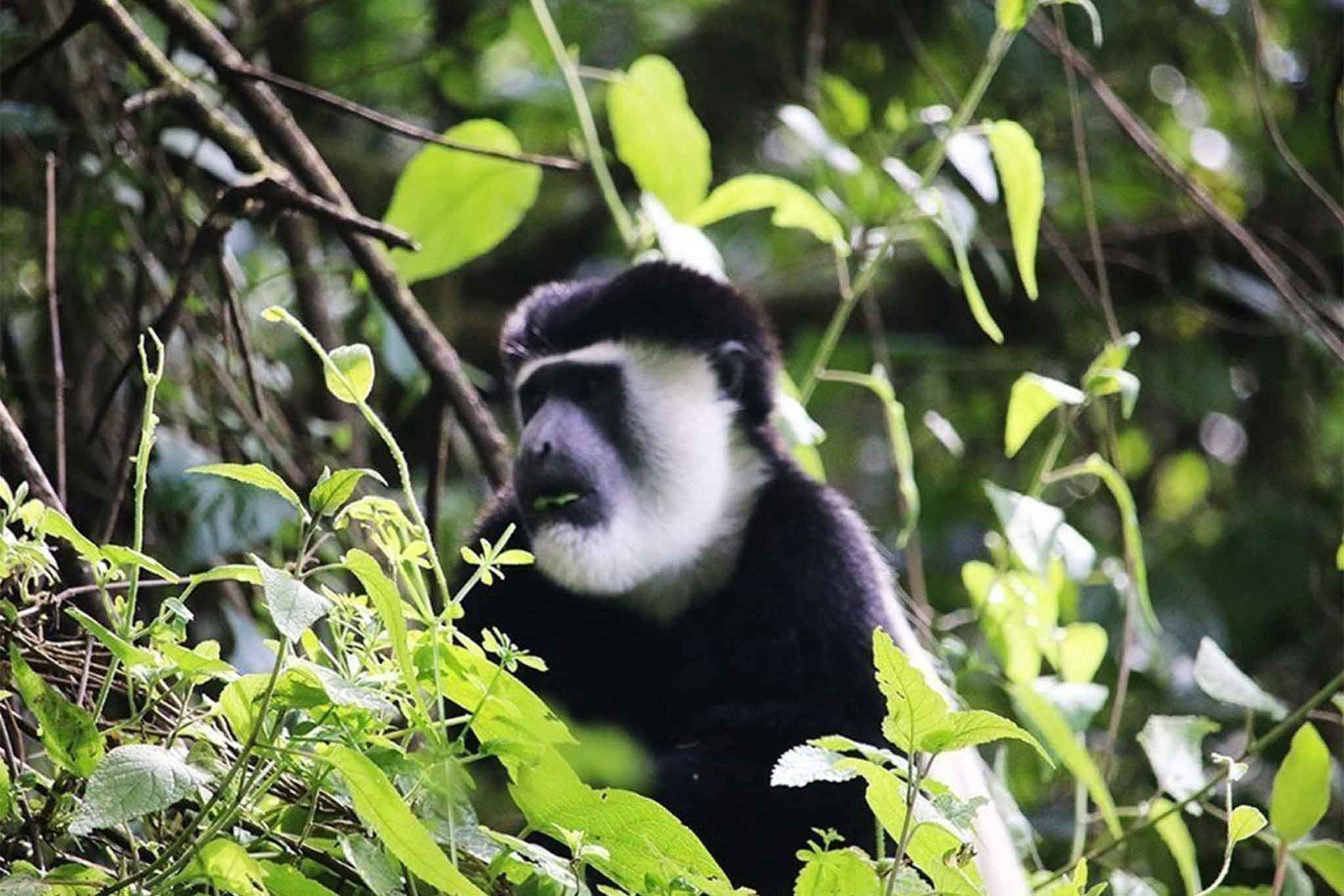 Lush Rainforest Wildlife Encounters on Western Slopes
Start your 8-day Northern Circuit Kilimanjaro climb immersed in dense montane rainforest teeming with colobus monkeys, exotic birds, and occasional buffalo sightings – a vibrant wildlife highlight unique to the scenic Lemosho approach from Arusha.
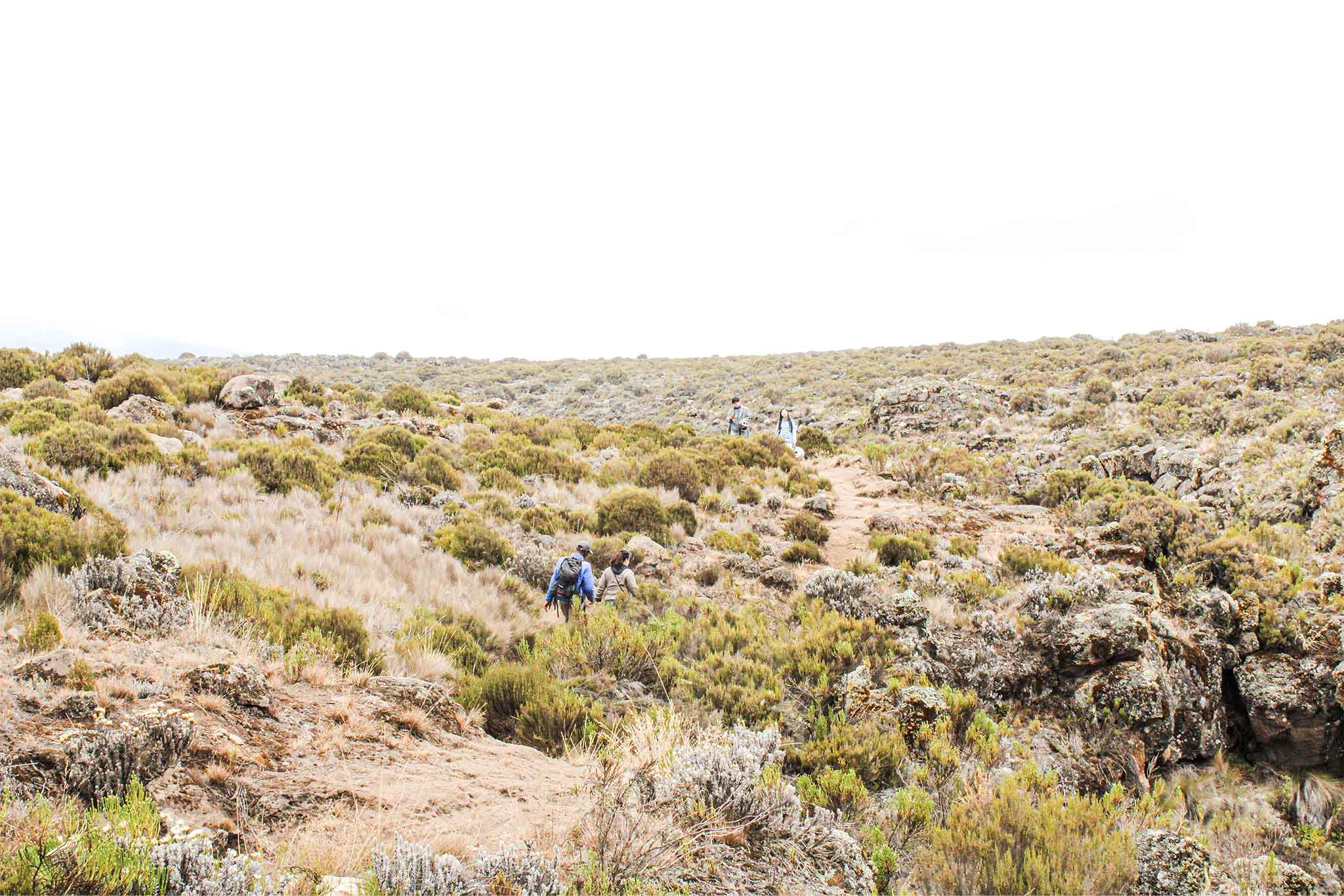
Expansive Shira Plateau Panoramas
Cross the vast Shira Plateau, an ancient volcanic caldera offering breathtaking unobstructed views of Kibo Peak and endless moorlands – one of the most stunning open landscapes on any Kilimanjaro route.
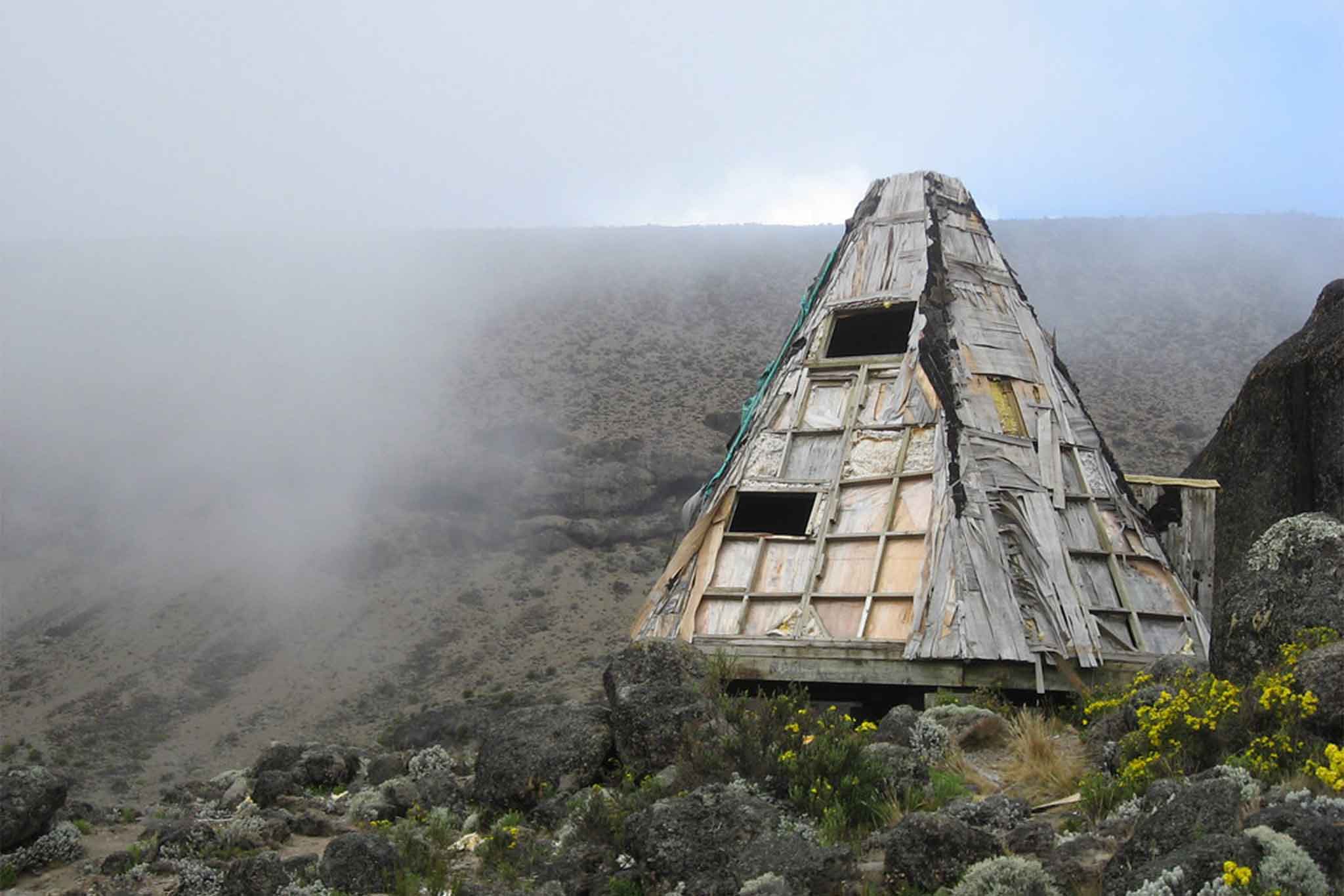 Secluded Moir Hut Remote Wilderness
Reach the quiet Moir Hut camp in rarely visited northern terrain, surrounded by giant groundsels and Lent Hills – perfect for peaceful stargazing and superior acclimatization away from crowds.
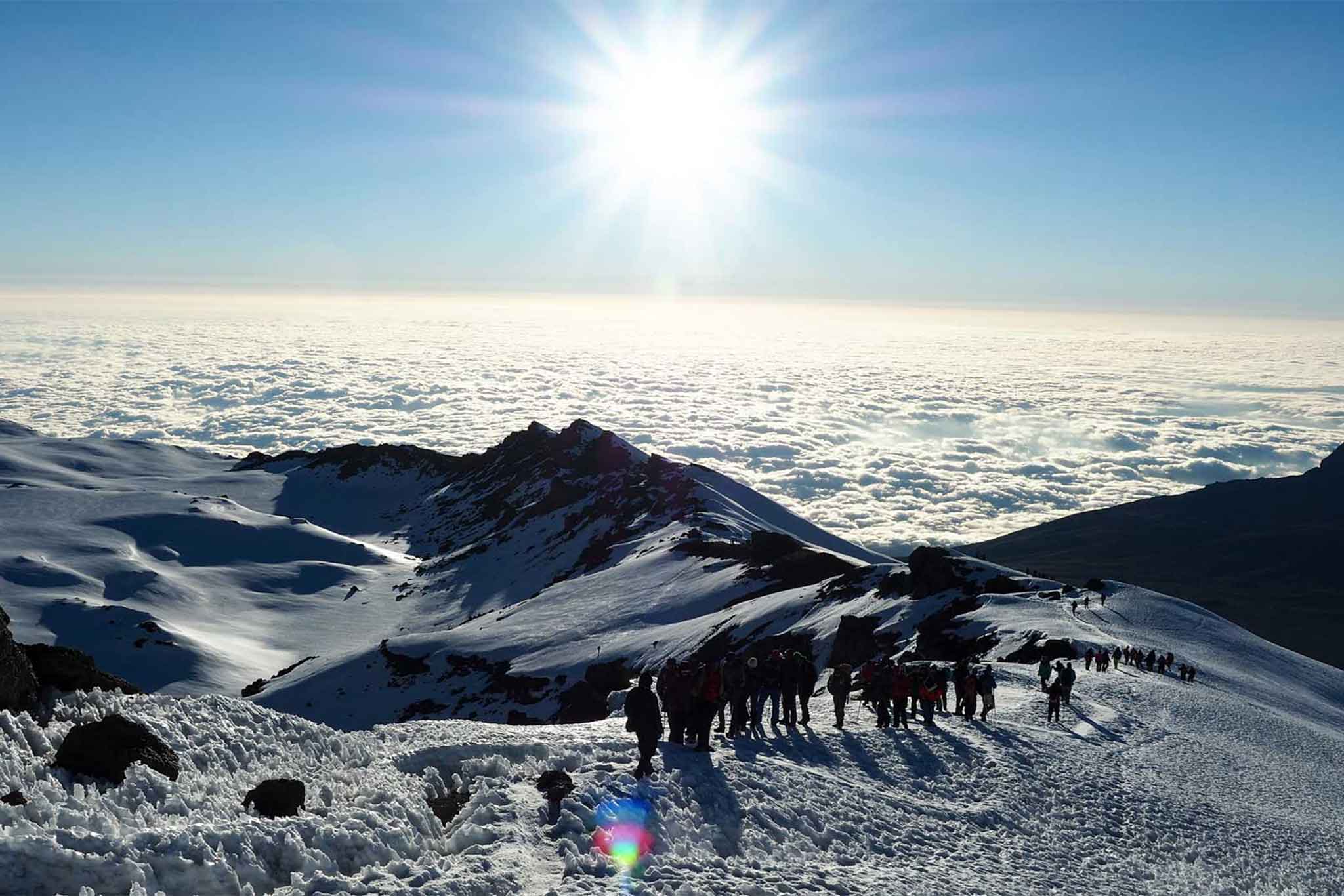
Vast Northern Slopes Views Toward Kenya
Traverse the untouched northern flanks with sweeping vistas across plains stretching to the Kenyan border – a serene, wildlife-rich highlight exclusive to the longest Northern Circuit Kilimanjaro trek.
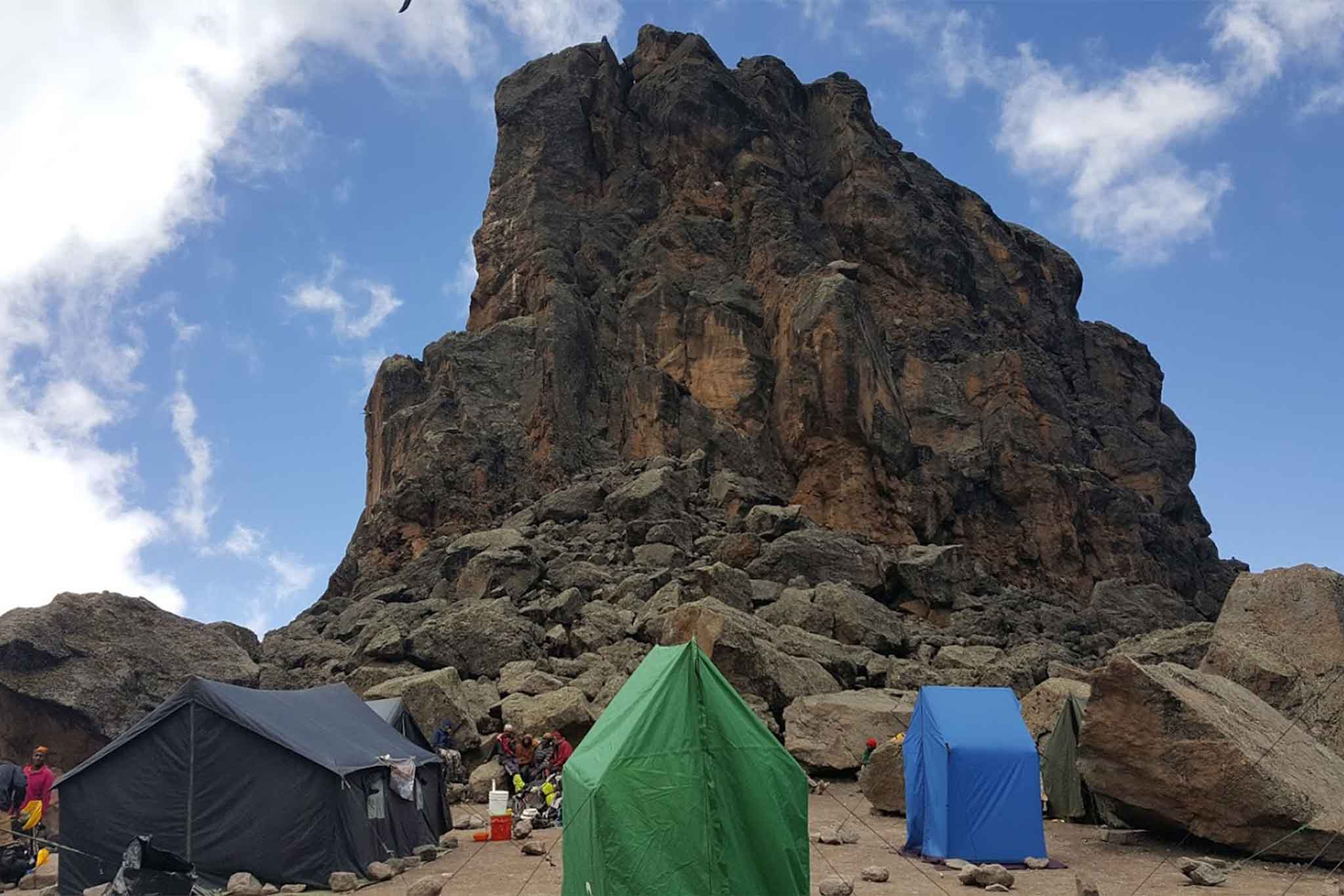
Tranquil Third Cave Camp in the Saddle
Rest at isolated Third Cave Camp between Kibo and Mawenzi peaks, enjoying lunar-like saddle landscapes and close-up summit previews – a calm acclimatization spot on Tanzania’s premier route.
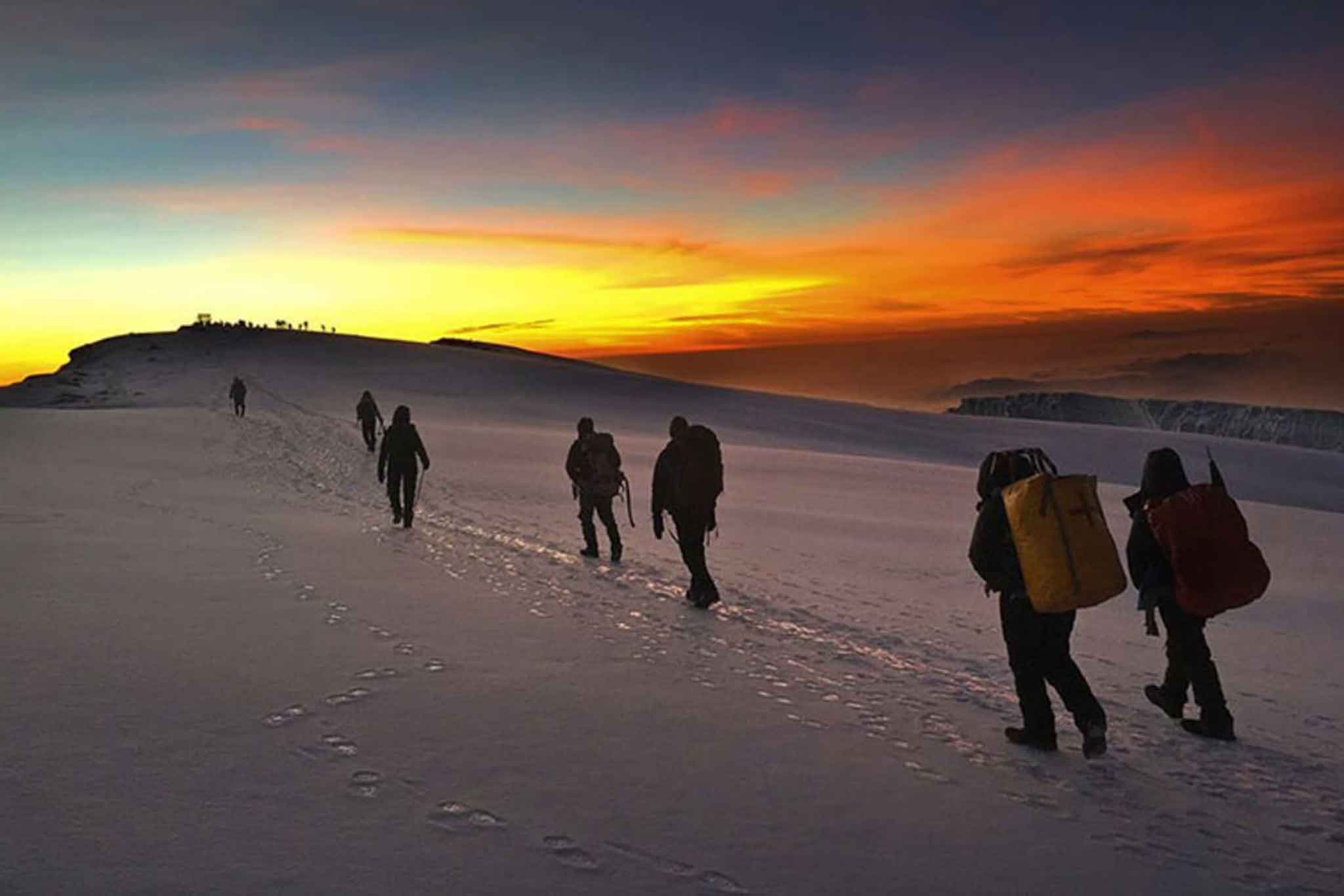
Magical Midnight Summit to Uhuru Peak
Push to Gilman’s Point for epic crater rim sunrise, then reach Uhuru Peak for 360-degree glacial views – the triumphant climax of the highest success rate Northern Circuit climb from Arusha.
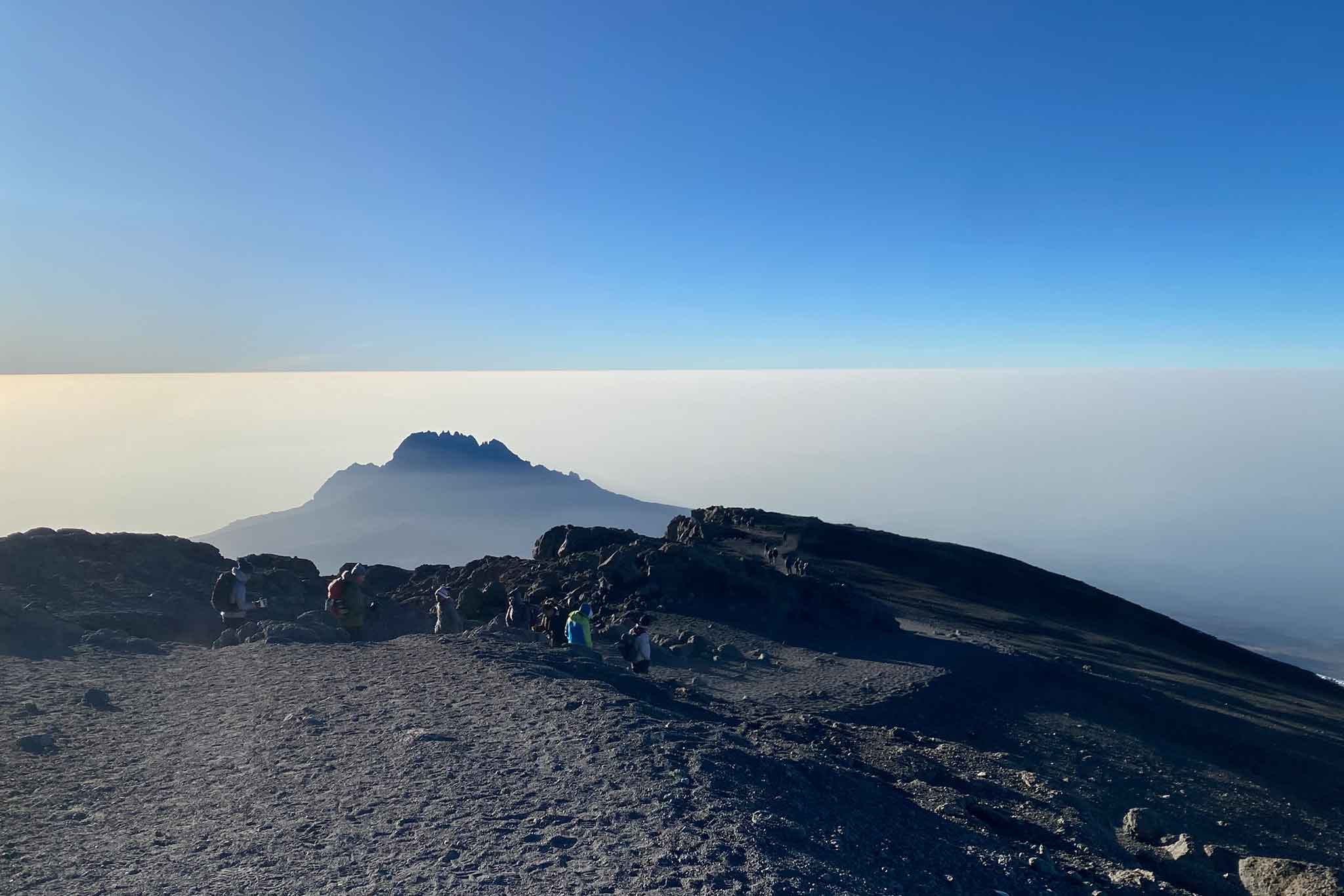
Year-Round Scenic Diversity with Seasonal Magic
Experience Kilimanjaro’s full ecological spectrum any month: clear dry-season vistas (June–October), lush green trails in rains, or blooming wildflowers in shoulder seasons – the most varied views on the 8-day Northern Circuit.
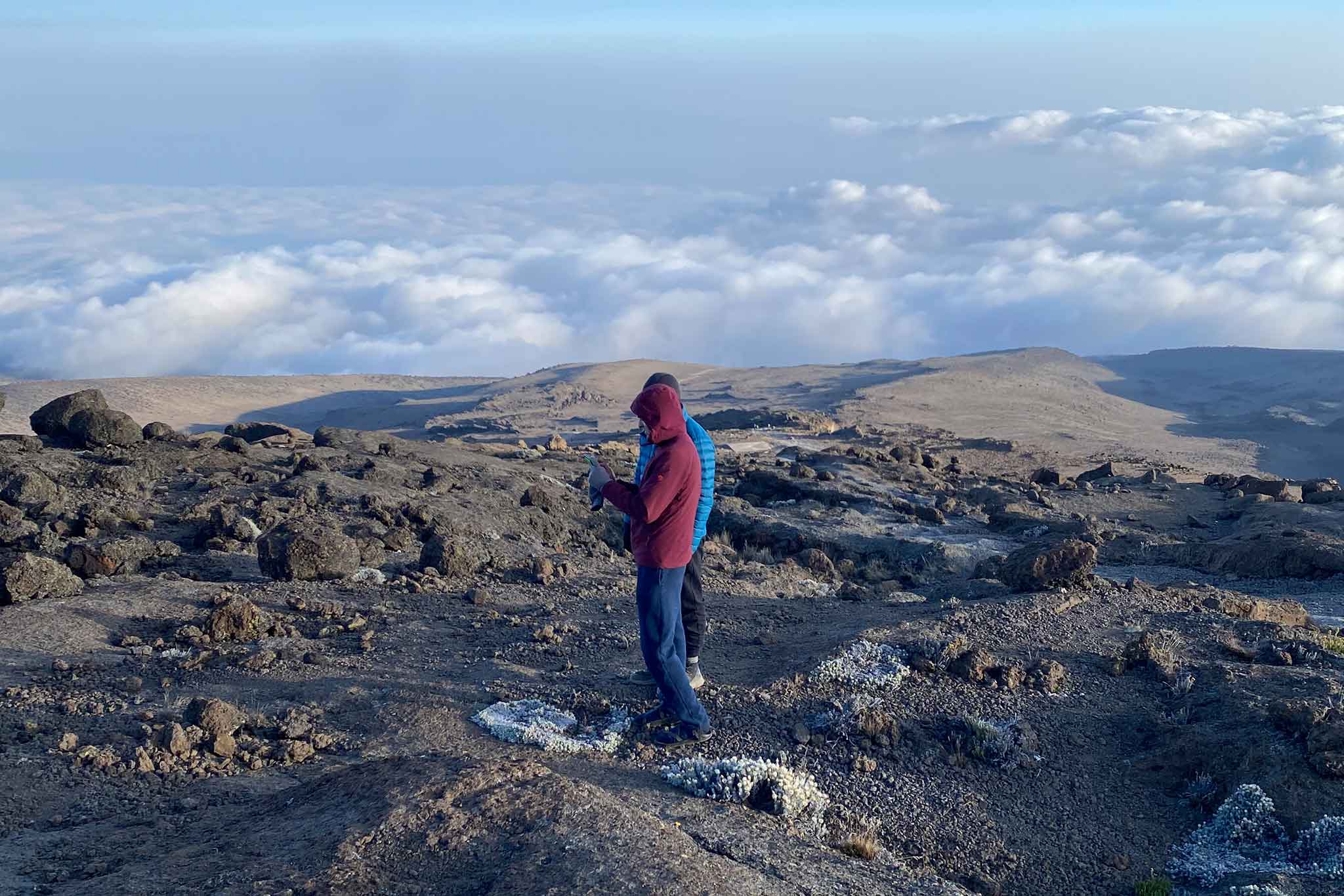
Ultimate Acclimatization & Solitude from Arusha
Benefit from the longest route’s superior “climb high, sleep low” profile for 95%+ summit rates, plus peaceful northern trails – the top private, locally-guided Northern Circuit Kilimanjaro experience with The Woven Experience.
- Day 1
- Day 2
- Day 3
- Day 4
- Day 5
- Day 6
- Day 7
- Day 8
Arusha to Lemosho Gate to Mti Mkubwa Camp
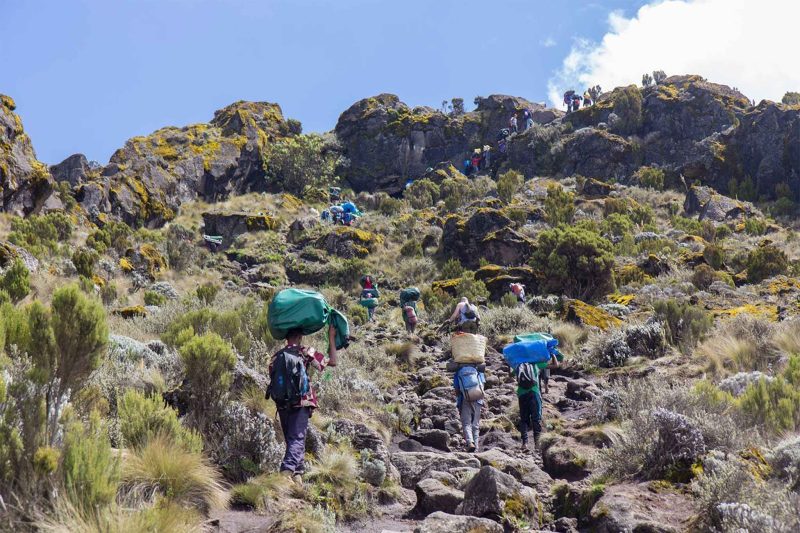
Transfer from your Arusha accommodation through picturesque landscapes to Lemosho Gate for park registration. Embark on a gentle forest trail, observing colobus monkeys, exotic birds, and potential large game sightings – an armed ranger may join for wildlife protection. Settle into camp with warm beverages, a hearty dinner, and overnight amid the trees.
Distance: 6 km (4 miles).
Altitude increase: 650 m (2,130 ft), from 2,100 m (6,890 ft) to 2,750 m (9,020 ft).
Habitat: Montane Rainforest.
Mti Mkubwa Camp to Shira 1 Camp
Climb out of the dense forest into the heath and moorland zones, crossing small streams and ridges with initial glimpses of Kibo Peak. Traverse open meadows dotted with wildflowers and unique flora, arriving at camp for relaxation and, if desired, acclimatization walks.
Distance: 8 km (5 miles).
Altitude increase: 750 m (2,460 ft), from 2,750 m (9,020 ft) to 3,500 m (11,480 ft).
Habitat: Heath and Moorland.
Shira 1 Camp to Moir Hut Camp
Head across the Shira Plateau – an ancient volcanic caldera – passing Cathedral Point for optional side hikes and panoramic views. Diverge north into less-traveled terrain, reaching the secluded Moir Hut amid giant groundsels for an evening of stargazing and recovery.
Distance: 14 km (9 miles).
Altitude increase: 700 m (2,300 ft), from 3,500 m (11,480 ft) to 4,200 m (13,780 ft).
Habitat: Alpine Moorland.
Moir Hut Camp to Buffalo Camp
Contour around the northern flanks through undulating valleys, descending slightly into Lent Hills for "climb high, sleep low" benefits. Spot unique rock formations and distant Kenya views, arriving at the remote Buffalo Camp near seasonal streams.
Distance: 8 km (5 miles).
Altitude increase: Net decrease of 180 m (590 ft), from 4,200 m (13,780 ft) to 4,020 m (13,190 ft) via higher points.
Habitat: Alpine Desert.
Buffalo Camp to Third Cave Camp
Continue eastward on the northern circuit, traversing gentle slopes with vast wilderness vistas and minimal traffic. Pass through sparse vegetation zones, focusing on hydration and pacing, to reach the tranquil Third Cave Camp for pre-summit preparation.
Distance: 5 km (3 miles).
Altitude increase: Net decrease of 220 m (720 ft), from 4,020 m (13,190 ft) to 3,800 m (12,470 ft).
Habitat: Alpine Desert.
Third Cave Camp to School Hut Camp
Ascend steadily toward the saddle between Kibo and Mawenzi peaks, navigating rocky paths with increasing summit proximity. Arrive early at high camp for lunch, rest, gear checks, and a summit briefing while enjoying Mawenzi's jagged silhouette.
Distance: 5 km (3 miles).
Altitude increase: 1,000 m (3,280 ft), from 3,800 m (12,470 ft) to 4,800 m (15,750 ft).
Habitat: Alpine Desert.
School Hut Camp to Uhuru Peak Summit to Mweka Camp
Commence the midnight ascent with headlamps, zigzagging up scree to Gilman's Point on the crater rim for dawn views. Traverse to Uhuru Peak for triumphant photos and crater panoramas, then descend safely to Barafu for brief rest before continuing to lower camp through shifting ecosystems.
Distance: 6 km (4 miles) up / 11 km (7 miles) down.
Altitude increase: 1,095 m (3,590 ft) to summit at 5,895 m (19,340 ft), then descend to 3,100 m (10,170 ft).
Habitat: Stone Scree and Ice-Capped Summit.
Mweka Camp to Mweka Gate to Arusha
Descend through vibrant rainforest trails teeming with birds and monkeys, collecting your summit certificate at Mweka Gate. Say goodbye to the team, then transfer back to your Arusha accommodation for relaxation and optional celebrations.
Distance: 10 km (6 miles).
Altitude decrease: 1,450 m (4,760 ft), from 3,100 m (10,170 ft) to 1,650 m (5,410 ft).
Habitat: Montane Rainforest.
More about Kilimanjaro National Park Discover Kilimanjaro National Park
More about this tour
Location Overview
This scenic 8-day climb conquers Tanzania’s iconic Mount Kilimanjaro via the remote Northern Circuit Route, a UNESCO World Heritage landscape 150–200 km (95–125 miles) northwest of Arusha—the adventure gateway at the base of Mount Meru. Starting from Arusha (1,400 m/4,600 ft elevation), the route involves a 3–4 hour drive to the western Londorossi Gate trailhead, traversing nearly 90 km through five distinct ecological zones: dense Afromontane rainforest, vast heather moorlands with giant lobelias and senecios, expansive Shira Plateau, barren high-alpine desert on the quiet northern slopes, and the glacial arctic summit zone.
Mti Mkubwa Camp (2,800 m/9,200 ft): Lush montane rainforest teeming with colobus monkeys and diverse birdlife; the starting point after a gentle first-day hike.
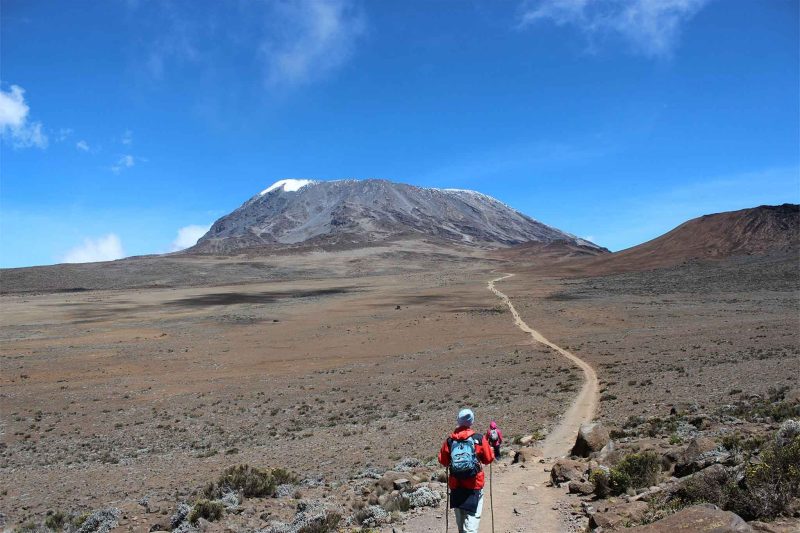
Shira Plateau (3,500–3,900 m/11,500–12,800 ft): One of the world’s highest plateaus, a dramatic caldera remnant with panoramic views of Kibo Peak and sweeping western vistas.
Moir Hut (4,200 m/13,800 ft): At the base of rugged lava ridges near Lava Tower; gateway to the remote northern circuit with excellent acclimatization opportunities.
Buffalo Camp/Pofu Camp (4,000–4,100 m/13,100–13,450 ft): Secluded on the undulating northern slopes, offering solitude and expansive views across the Kenyan plains and Amboseli border.
Third Cave Camp (3,900 m/12,800 ft): Remote high-alpine site with views toward Mawenzi Peak; marks the transition to the eastern saddle.
School Hut (4,800 m/15,750 ft): Final high camp in the stark alpine desert; launch point for the summit push via Gilman’s Point.
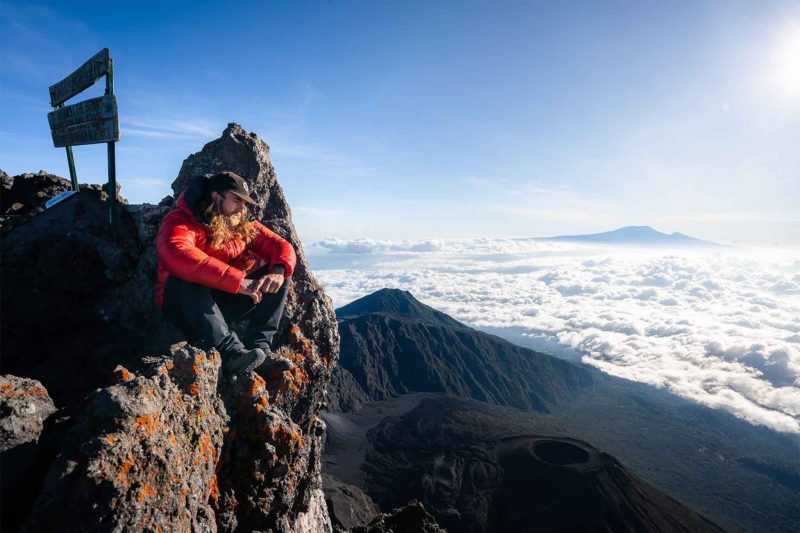
Uhuru Peak (5,895 m/19,341 ft): The glacier-capped Roof of Africa, with 360-degree panoramas over the crater and surrounding plains.
Geography & Access
Terrain: Rainforest canopy, open moorland plateaus, rocky northern ridges, lunar-like saddle, and icy summit scree.
Altitude Range: 1,800–5,895 m (5,900–19,341 ft).
Travel Times (from Arusha): Londorossi Gate 3–4 hrs; return via Mweka Gate 2–3 hrs.
Gateway: Kilimanjaro International Airport (JRO) → Arusha (45 min transfer).
Year-round access with guided trekking; dry seasons (June–October, December–March) offer clearer views, while green-season rains enhance rainforest vibrancy.
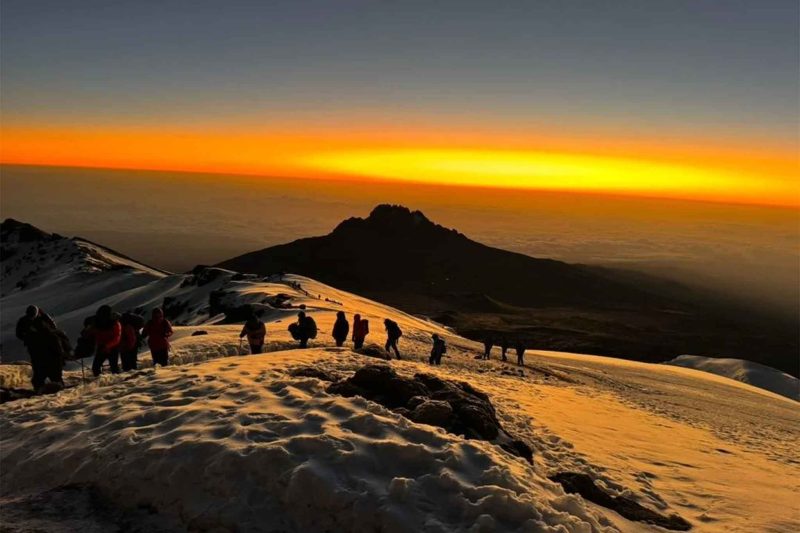
Seasonal Highlights – What to Expect Year-Round
- January – March (warm dry season): Mild weather, clear panoramas of Kilimanjaro and Kenya, fewer hikers; anticipate comfortable days with low precipitation risks – prime for beginners.
- April – May (long rains): Verdant trails, cascading waterfalls, blooming flora; gear up for muddy sections and showers, but enjoy solitude and vibrant scenery.
- June – October (cool dry season): Stable conditions, highest summit odds, crisp visibility; peak season with cooler evenings – excellent for wildlife and photography.
- November – December (short rains): Afternoon drizzles revive the landscape, animal births in lowlands, balanced crowds; warmer than mid-year but with possible clouds.
Optional Add-On Activities (book in advance)
- Additional acclimatization day at Moir or Third Cave for enhanced summit success
- Private portable toilet or hot shower facilities
- Helicopter insurance or aerial tour over Kilimanjaro
- Pre/post-climb wildlife safari in nearby parks like Tarangire
- Summit professional photography
- Chagga village cultural extension on the slopes

There are no comments yet.