
Maasai Cultural Day Trip withThe Woven Experience
- Information
- Tour Plan
- Location
- Gallery
- Reviews
- Additional Info
- Similar Tours
What's included
- Unlimited bottled water
- Visa arrangements
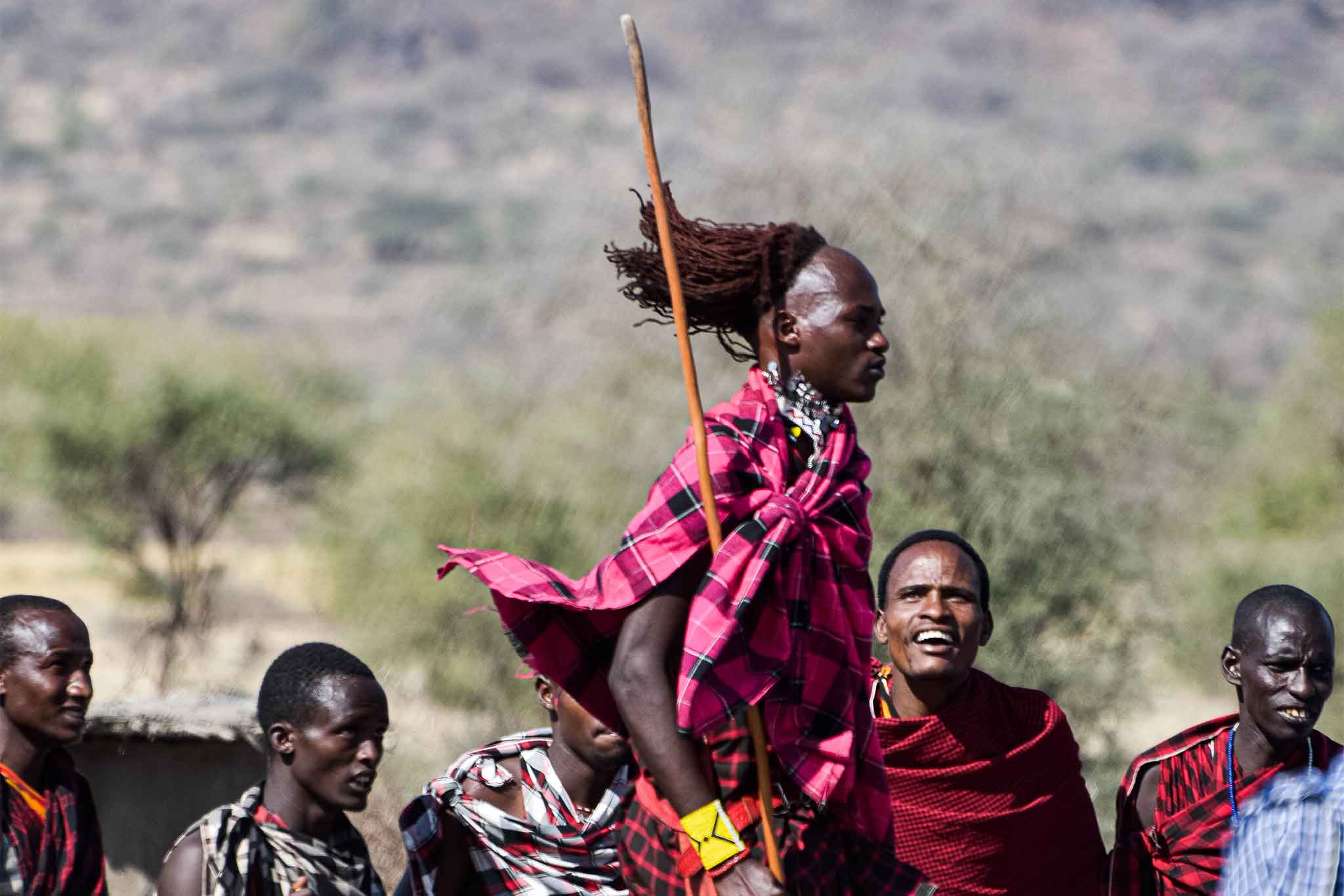
Authentic Maasai Welcome with Jumping Dance
Experience the iconic Maasai adumu jumping dance performed by red-shuka warriors – a powerful traditional greeting that showcases strength, agility, and cultural pride at Olpopongi Maasai Cultural Village.
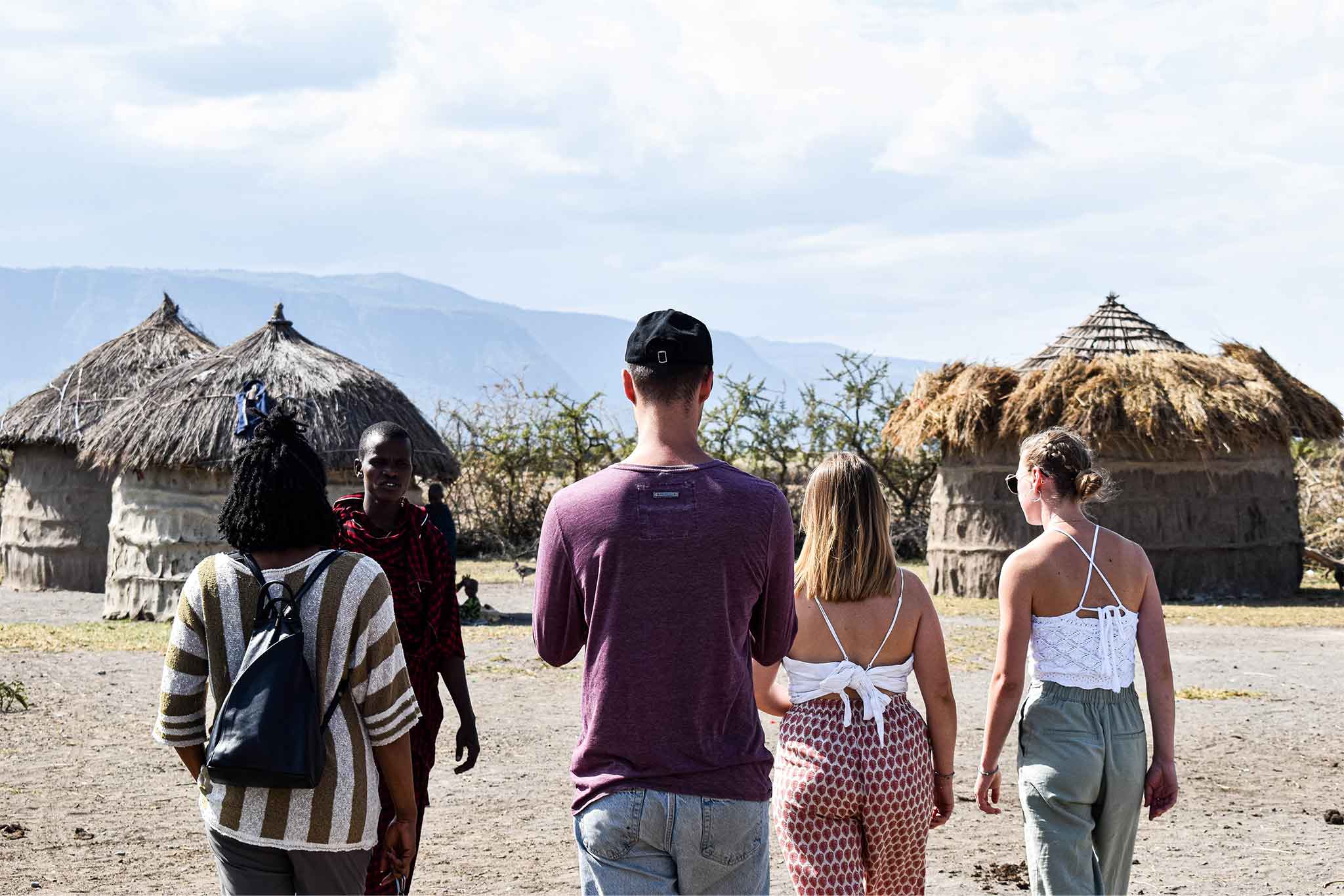
Explore a Real Maasai Boma Village
Step inside a genuine Maasai boma with circular mud-and-dung enkaji huts, protective thorn fences, and central cattle enclosures – offering an unfiltered look at daily life in one of Tanzania’s most authentic Maasai communities.
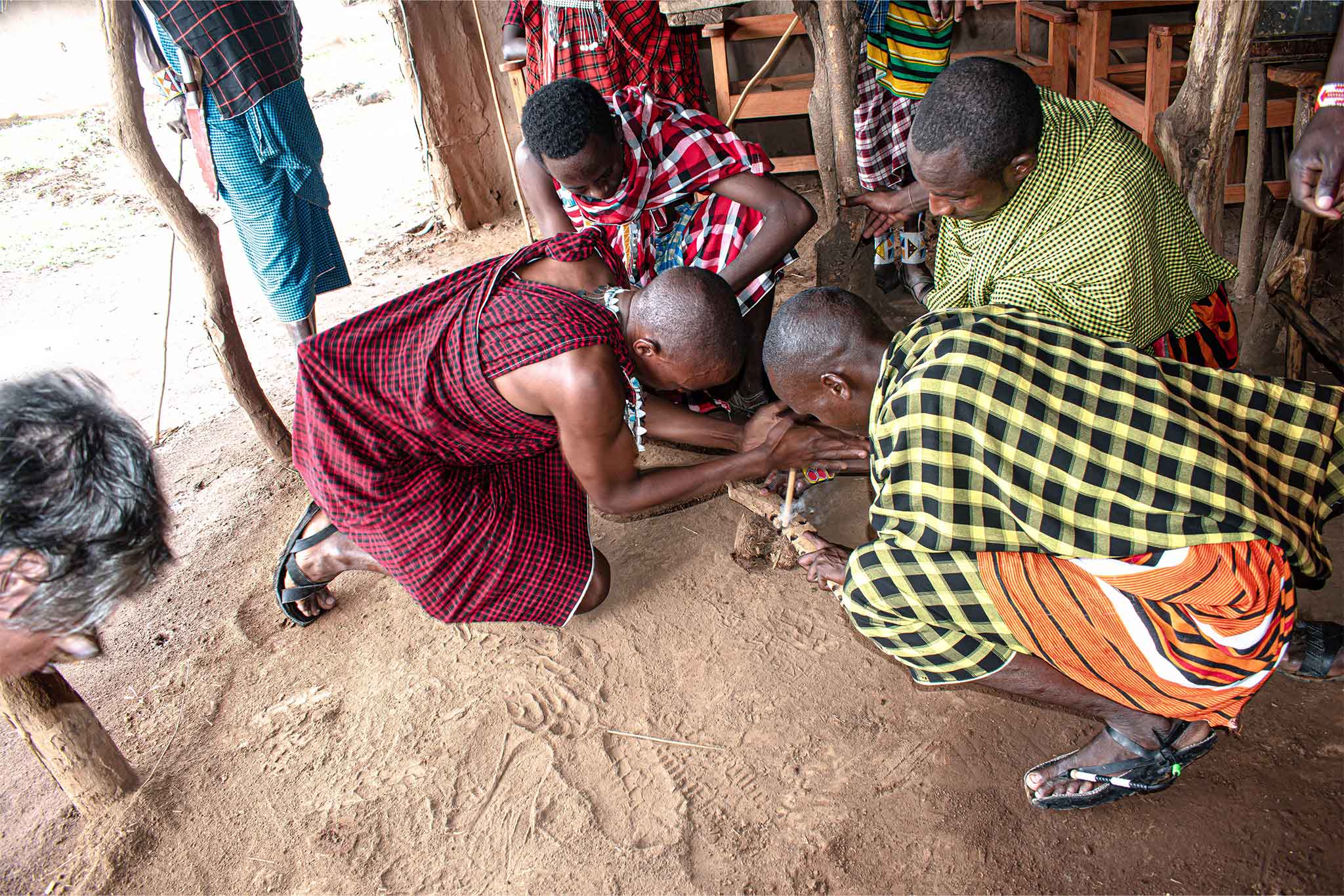
Master Warrior Skills: Spear Throwing & Fire-Making
Train like a Maasai moran with hands-on spear throwing at targets and friction fire-starting using only sticks and dung – ancient survival techniques still essential in the Tanzanian bush.
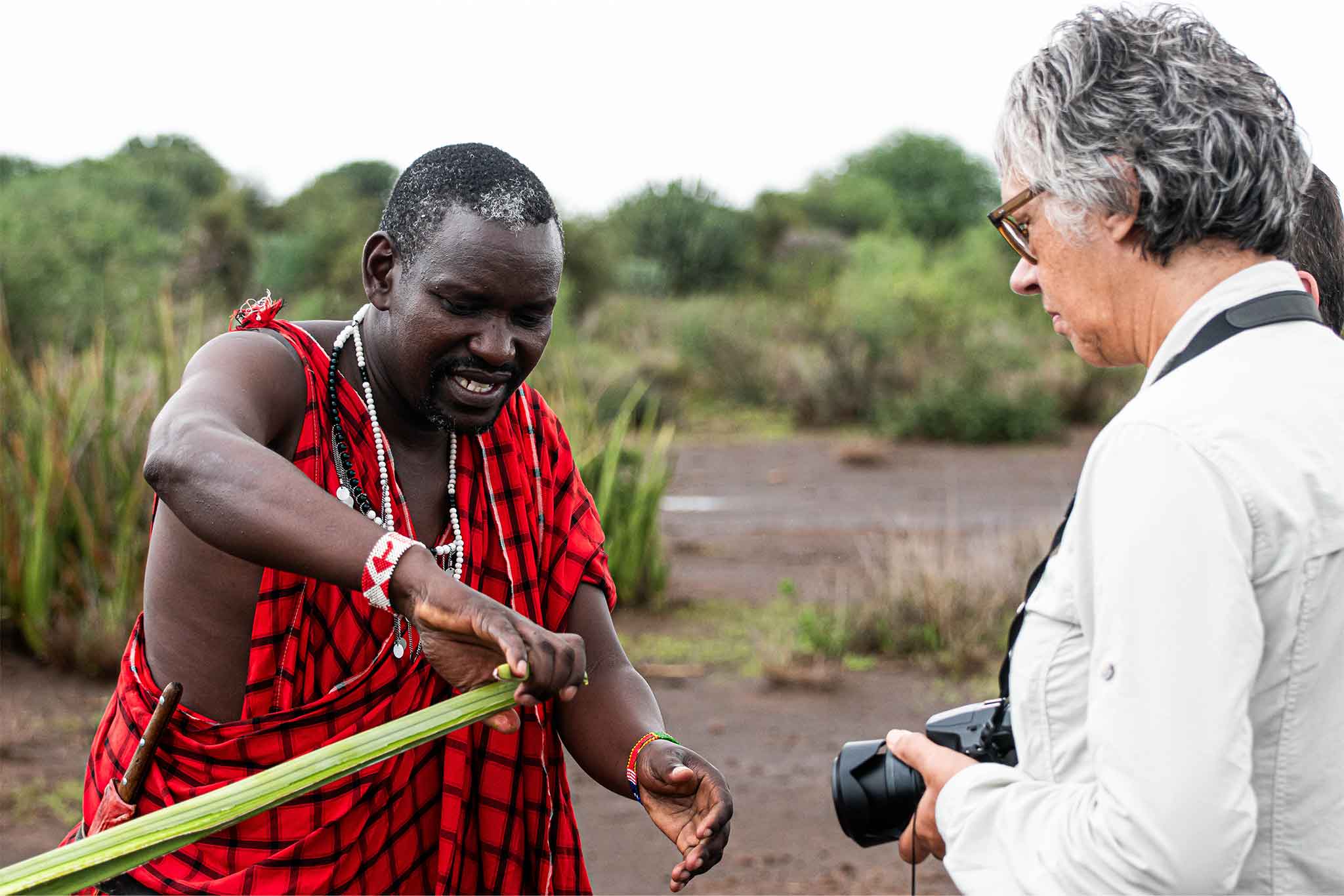
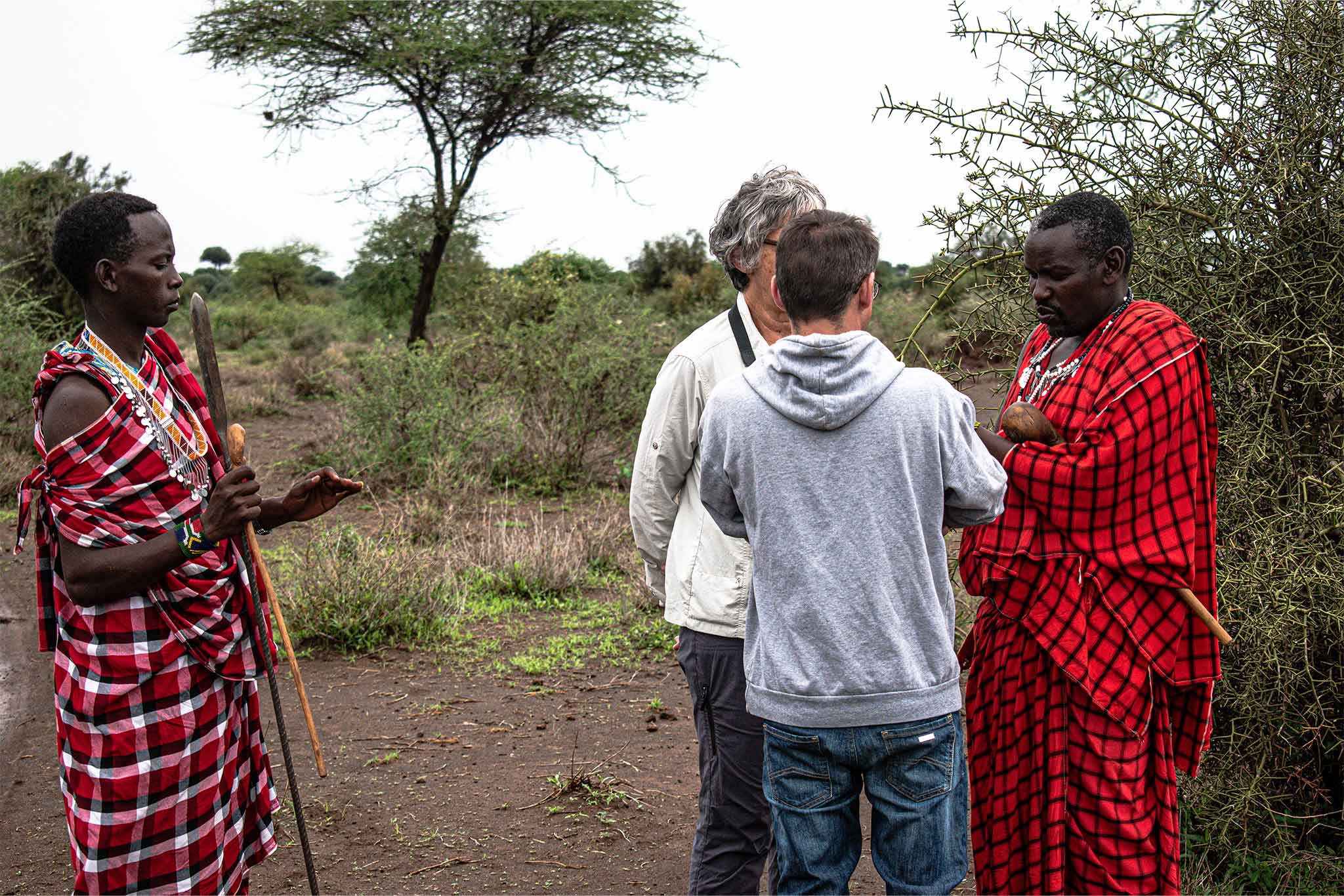
Medicinal Plants Walk with Maasai Healer
Discover the Maasai’s deep herbal knowledge on a guided bush walk, identifying plants used for treating malaria, wounds, and digestive issues – a fascinating blend of tradition and natural pharmacy.
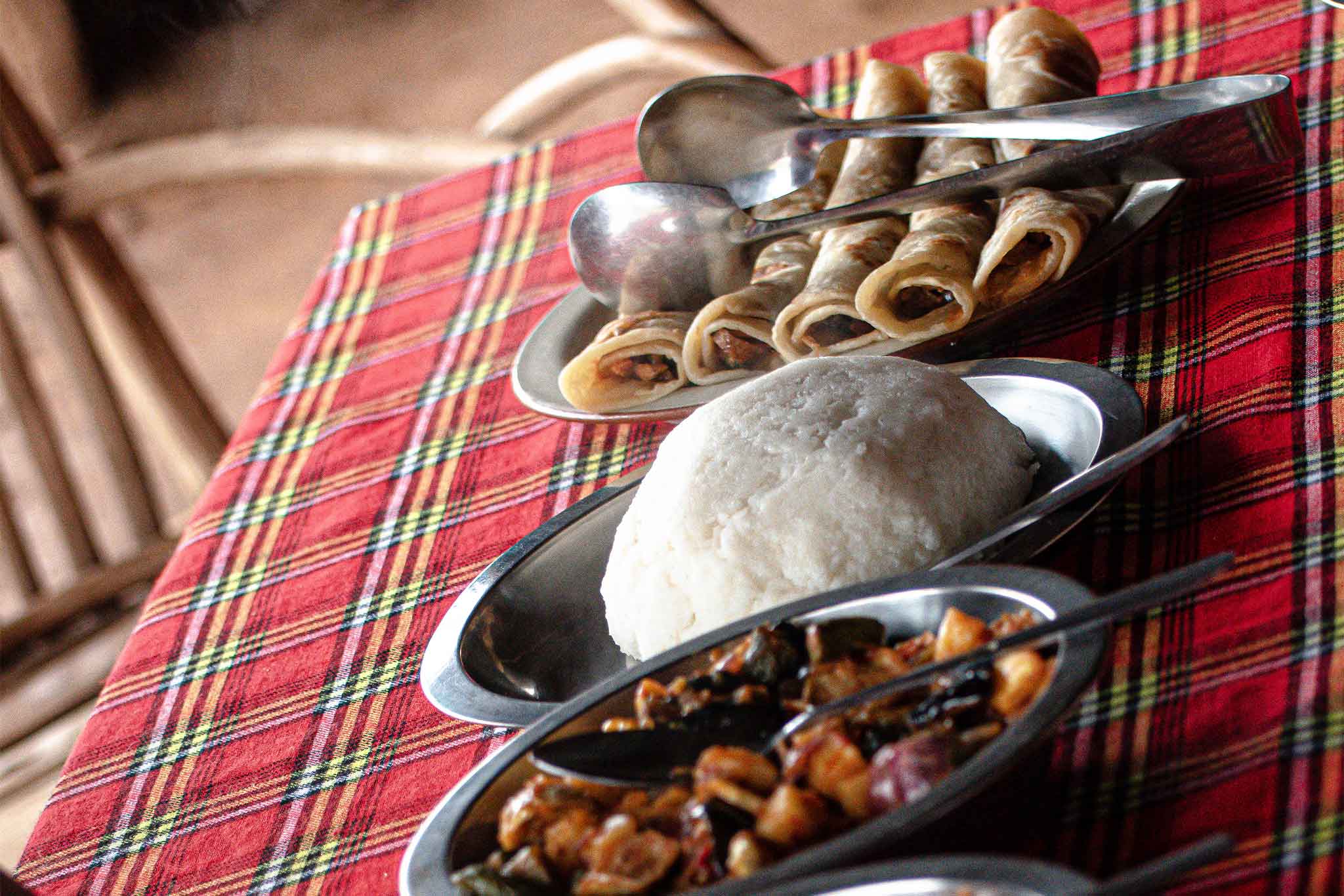
Traditional Maasai Lunch Around the Fire
Savor an authentic meal of grilled goat (nyama choma), ugali maize porridge, and fresh vegetables cooked over open flames, shared communally with Maasai families for a genuine cultural connection.
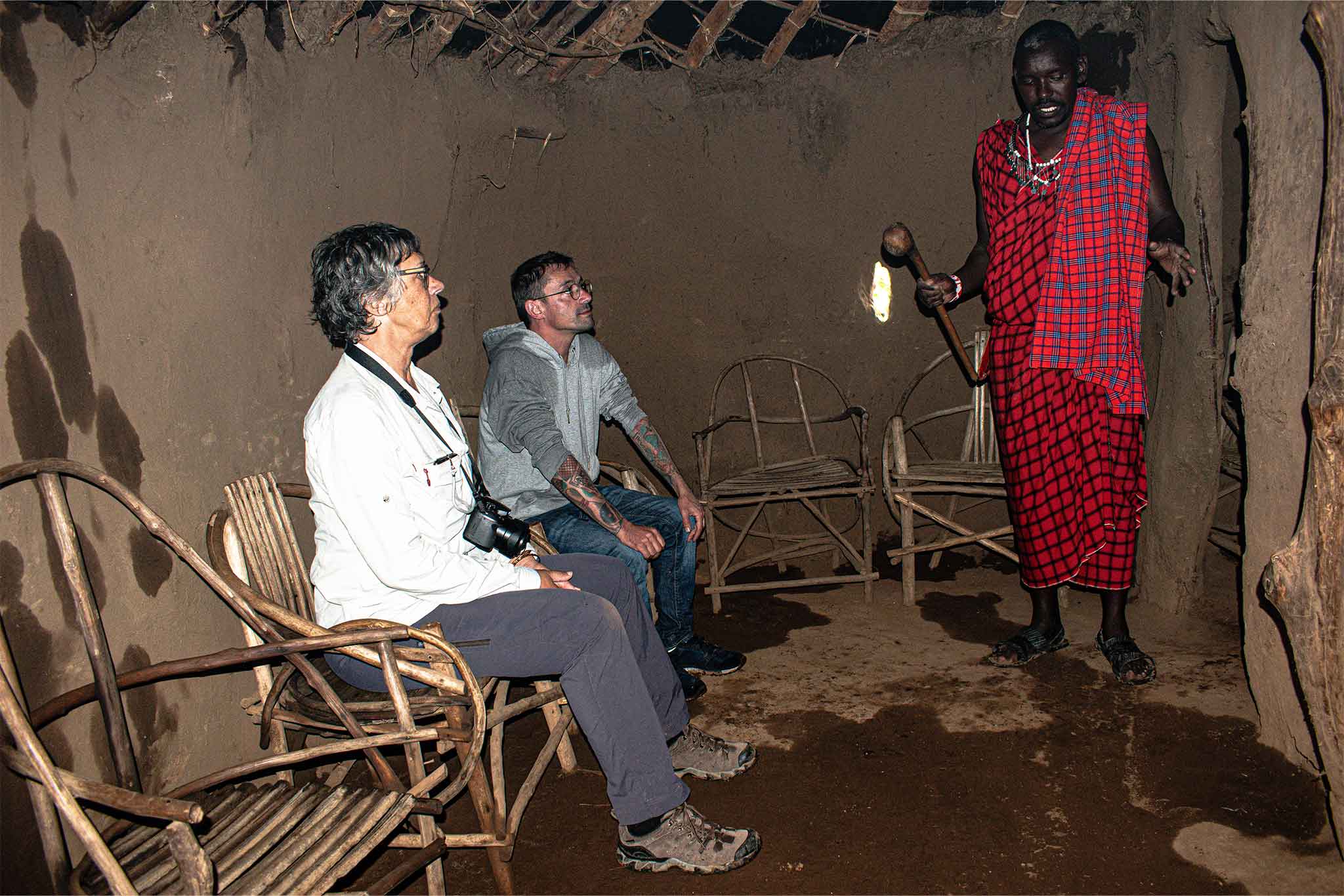
Storytelling with Maasai Elders
Gather with respected elders to hear captivating legends, lion-hunt tales, and life lessons in the Maa language (translated live) – preserving oral traditions that define Maasai identity.

Stunning Views of Mount Kilimanjaro Backdrop
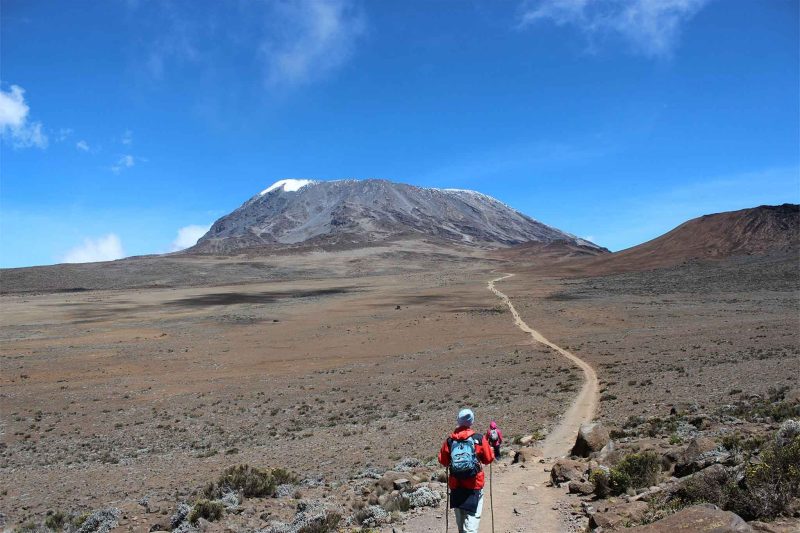
Enjoy panoramic vistas of Africa’s highest peak rising above the West Kilimanjaro plains, especially clear during the July–October dry season, creating postcard-perfect moments of Maasai culture.
Year-Round Maasai Culture with Seasonal Magic
Visit any time: lush green pastures and newborn calves in the December–April rains, abundant medicinal herbs after May–June rains, vibrant festivals possible in the dry season, or fresh milk richness during the November short rains.
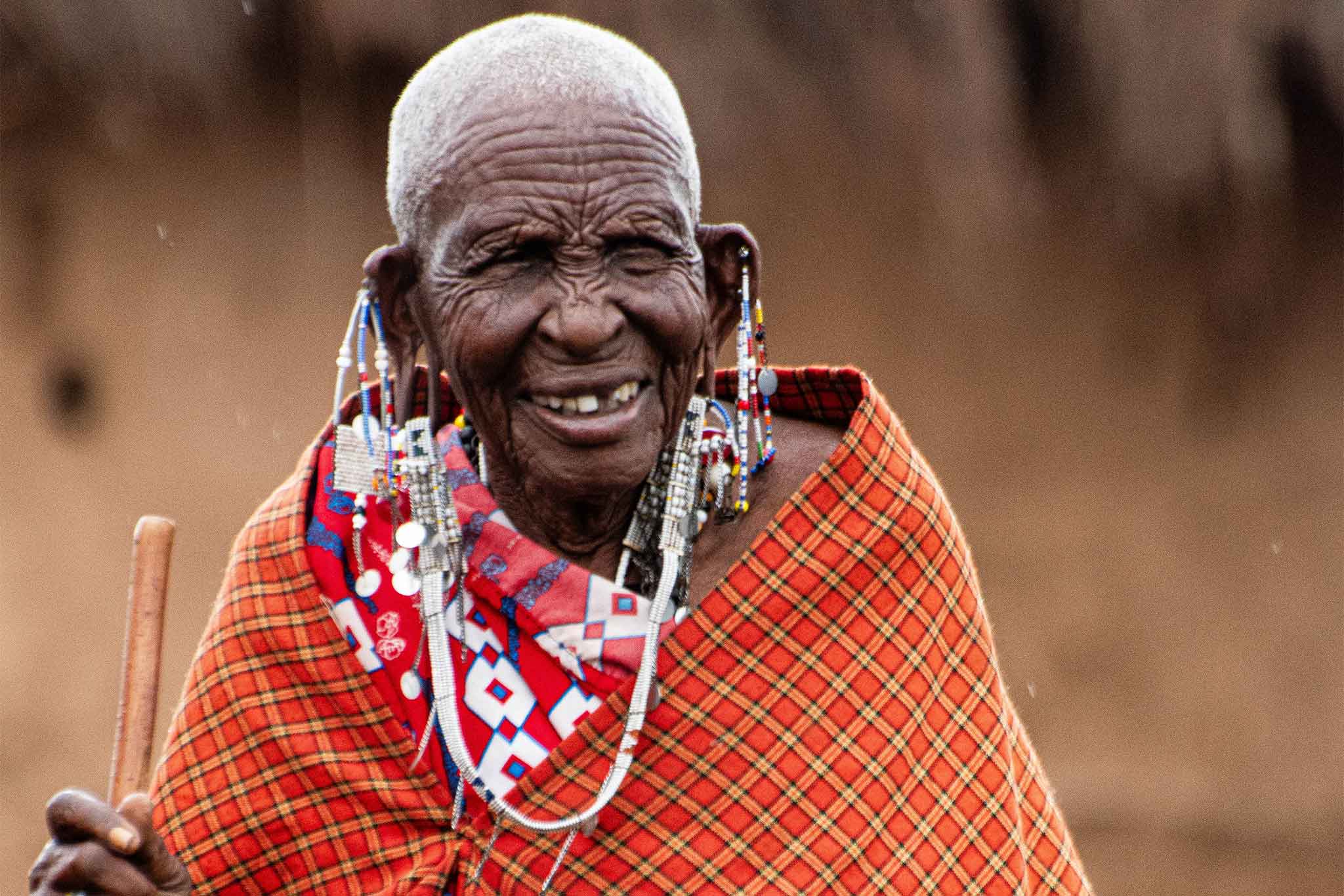
Ethical, Community-Run Maasai Experience from Arusha
Support direct community projects through entry fees at Olpopongi – Tanzania’s top-rated authentic Maasai village tour from Arusha, limited to small groups for respectful, meaningful interactions beyond typical tourist performances.
- Day 1
Tanzania’s most authentic indigenous experiences
Scenic Drive from Arusha to Olpopongi Maasai Village
Travel in a comfortable private 4×4 through the Tanzanian countryside, passing coffee plantations, local markets, and views of Mount Meru and Kilimanjaro on clear days. Your expert guide provides insights into Maasai history, migration from Sudan, and their semi-nomadic herder lifestyle as you approach the village in West Kilimanjaro.
Traditional Maasai Welcome and Village Tour
Upon arrival, receive a warm welcome with rhythmic jumping dances by red-shuka-clad warriors. Tour the authentic boma (village compound) of circular mud-and-dung enkaji huts arranged in a protective circle. Meet the polygamous families, observe daily chores like milking goats and cattle, and learn about social structures, including age-set systems, warrior roles, and women's beadwork craftsmanship.
Hands-On Maasai Beadwork and Jewelry Making
Join Maasai women in creating intricate beaded jewelry using colorful glass beads symbolizing status, age, and marital availability. Learn the meanings behind patterns and colors, then craft your own bracelet or necklace to take home as a personalized souvenir.
Warrior Skills: Spear Throwing and Fire-Making
Participate in traditional warrior training with Maasai morans (young warriors). Practice spear throwing at targets, learn bush survival techniques like starting fire with friction sticks and cow dung, and hear stories of lion hunts that mark the passage to manhood.
Herbal Medicine Walk with Maasai Healer
Stroll through the surrounding acacia bush with a Maasai medicine man to identify medicinal plants used for treating ailments, from bark for malaria to roots for stomach issues. Discover how the Maasai blend traditional remedies with their deep knowledge of the savannah ecosystem.
Traditional Maasai Meal and Storytelling Session
Share a communal lunch of ugali (maize porridge), nyama choma (grilled goat meat), and fresh vegetables prepared over an open fire. Gather around the elders for storytelling in the Maa language (with English translation), covering myths, legends, and life lessons passed down through generations.
More about Lake Eyasi Area Discover Lake Eyasi Area
More about this tour
Location Overview
This authentic full-day Olpopongi Maasai Cultural Experience takes place in the heart of Maasailand on the vast plains of West Kilimanjaro, 90–110 km (55–70 miles) northwest of Arusha—the gateway city nestled between Mount Kilimanjaro and Mount Meru. Starting from Arusha (1,400 m/4,600 ft elevation), the scenic drive follows paved and well-maintained gravel roads through coffee farms, small trading centres, and open Maasai steppe, arriving at a traditional Maasai boma set against the dramatic backdrop of Mount Kilimanjaro (on clear days) and the endless acacia-dotted savannah.
Olpopongi Maasai Cultural Village: Located approximately 100 km northwest of Arusha in the Tinga Tinga area, West Kilimanjaro. A purpose-built yet fully authentic Maasai village operated by the local community, surrounded by cattle grazing lands, seasonal streams, and rolling hills that form the transition zone between the Maasai Steppe and the slopes of Africa’s highest mountain.
Geography & Access
Terrain: Classic East African savannah with open grasslands, scattered acacia tortilis and umbrella trees, volcanic soil plains, and distant views of Mount Kilimanjaro and Mount Meru.
Altitude Range: 1,300–1,600 m (4,265–5,250 ft).
Travel Times (from Arusha): 1.5–2 hours by private 4×4 via the Arusha–Moshi highway and Tinga Tinga turn-off.
Gateway: Kilimanjaro International Airport (JRO) → Arusha (45–60 min transfer), then continue directly to Olpopongi.
Year-round access with sealed roads most of the way; dry season (June–October) offers dust-free views of Kilimanjaro and crisp photography conditions, while the green season (December–May) brings lush pastures, newborn calves, wildflowers, and dramatic storm clouds over the mountain.

There are no comments yet.