
Arusha
Tarangire National Park withThe Woven Experience
- Information
- Tour Plan
- Location
- Gallery
- Reviews
- Additional Info
- Similar Tours
What's included
- Unlimited bottled water
- Services not specifically stated in the itinerary
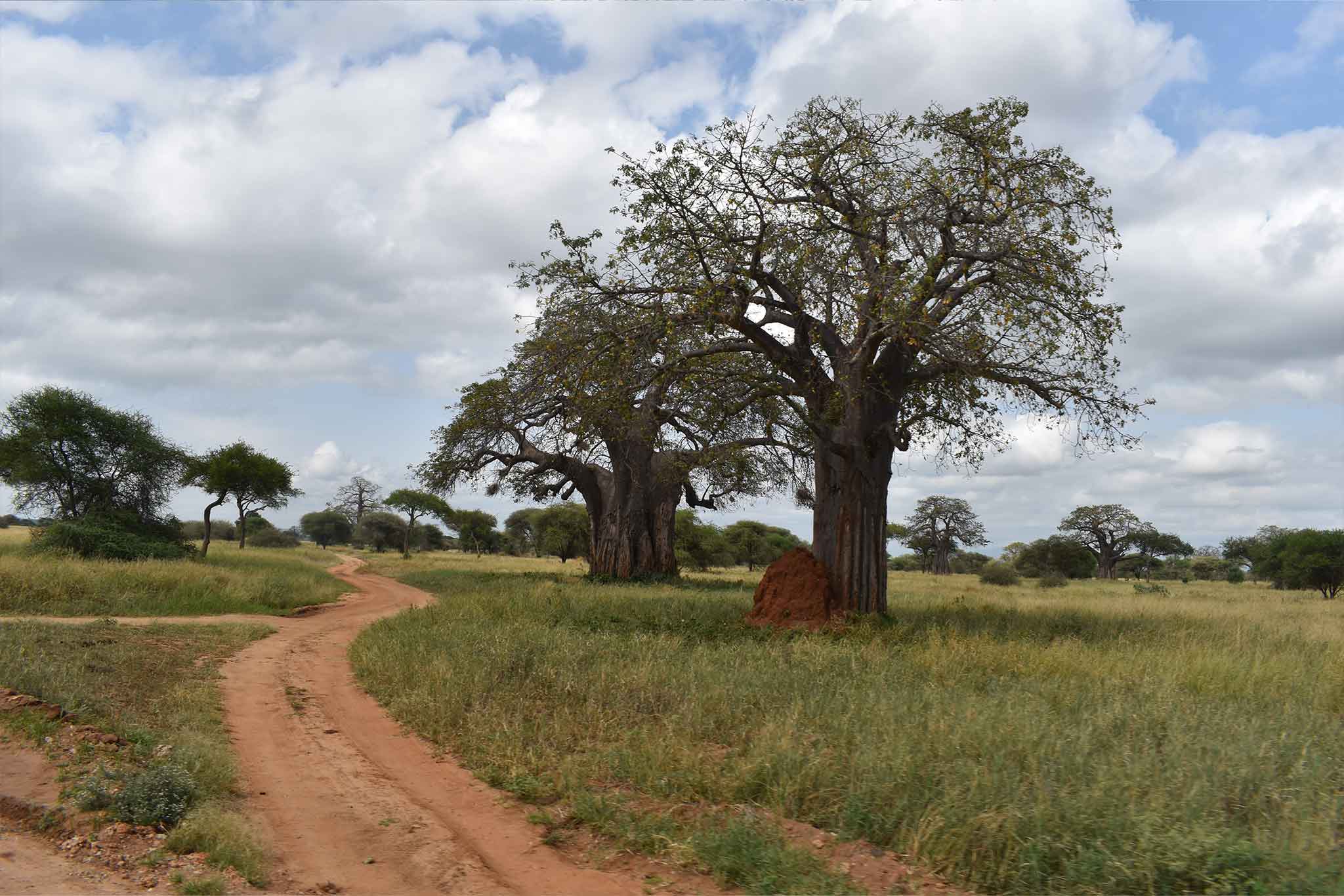
Ancient Baobab Cathedrals – Africa’s Oldest Trees
Tarangire hosts Africa’s highest concentration of millennia-old baobabs – upside-down giants that dwarf everything. Perfect dramatic foreground for elephant photographs and leopard silhouettes.
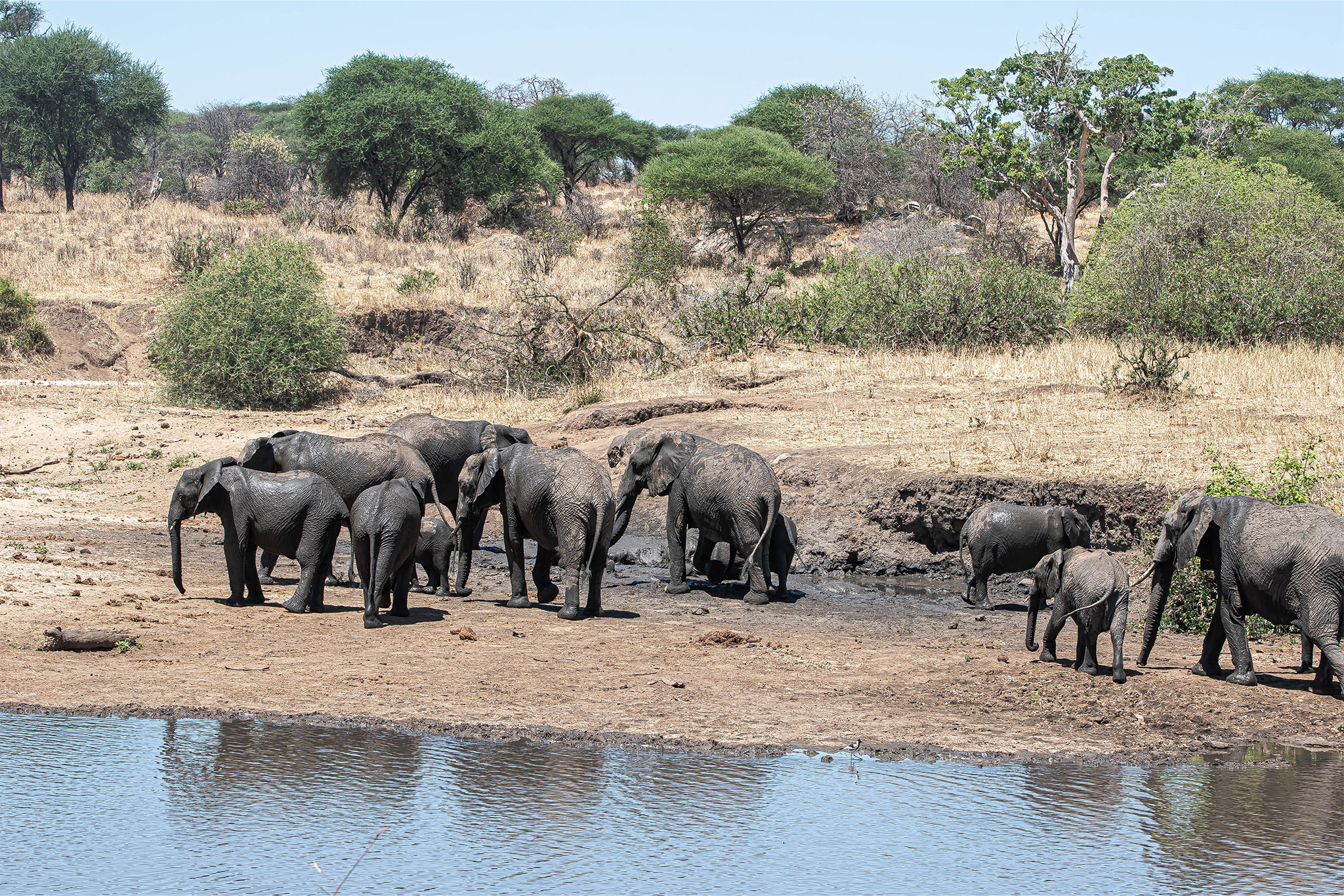
Elephant Super-Herds – Tanzania’s Largest Gatherings
Tarangire delivers the continent’s biggest dry-season elephant congregations – herds of 500–3,000 animals converge on the river. Breeding herds with tiny floppy-eared babies create heart-melting scenes year-round.
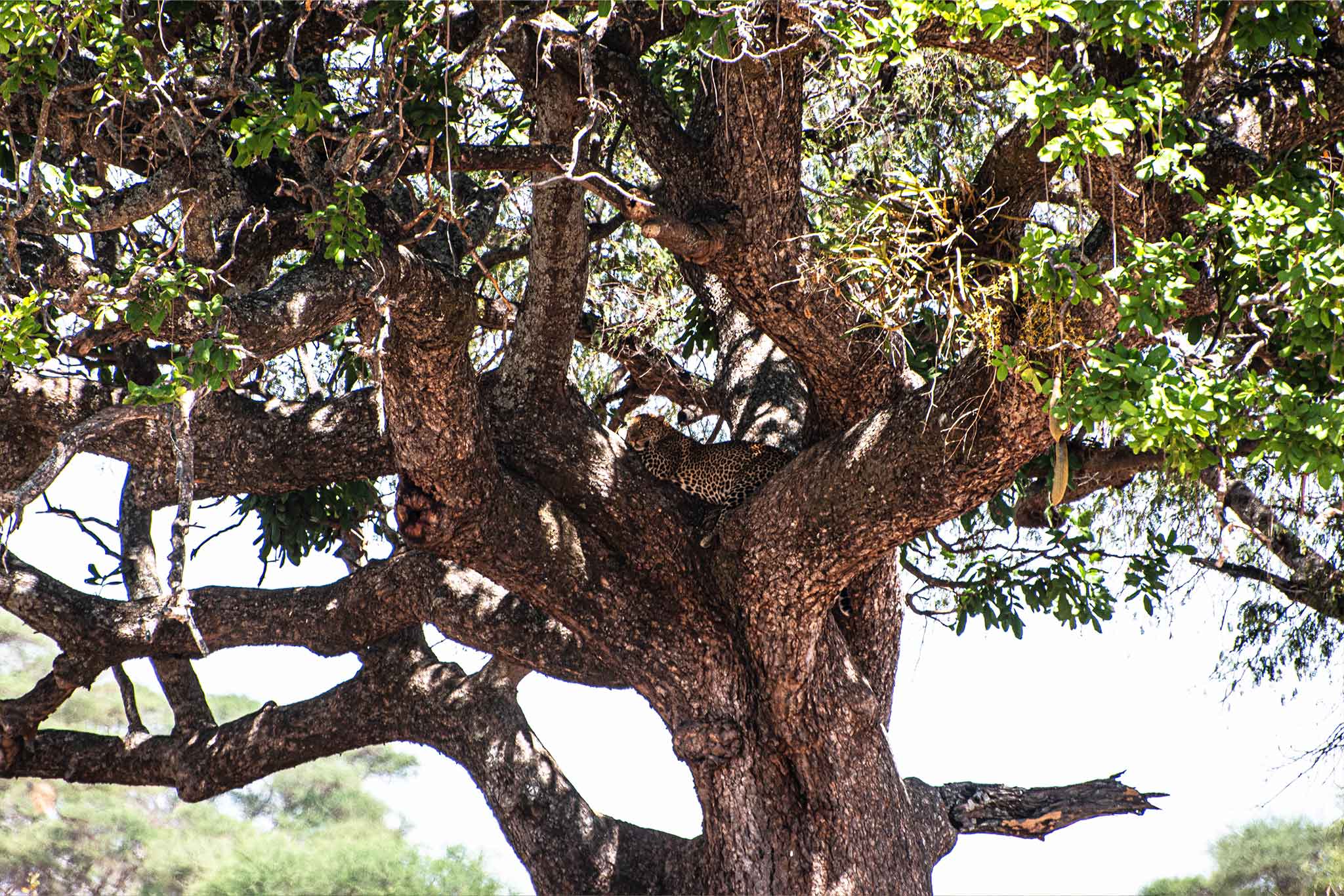
Daytime Leopard Heaven – Sausage-Tree Thrones
Tarangire ranks among Africa’s top three parks for reliable daytime leopard sightings. Cats rest in plain view on sausage-tree branches – no need for luck or night drives.
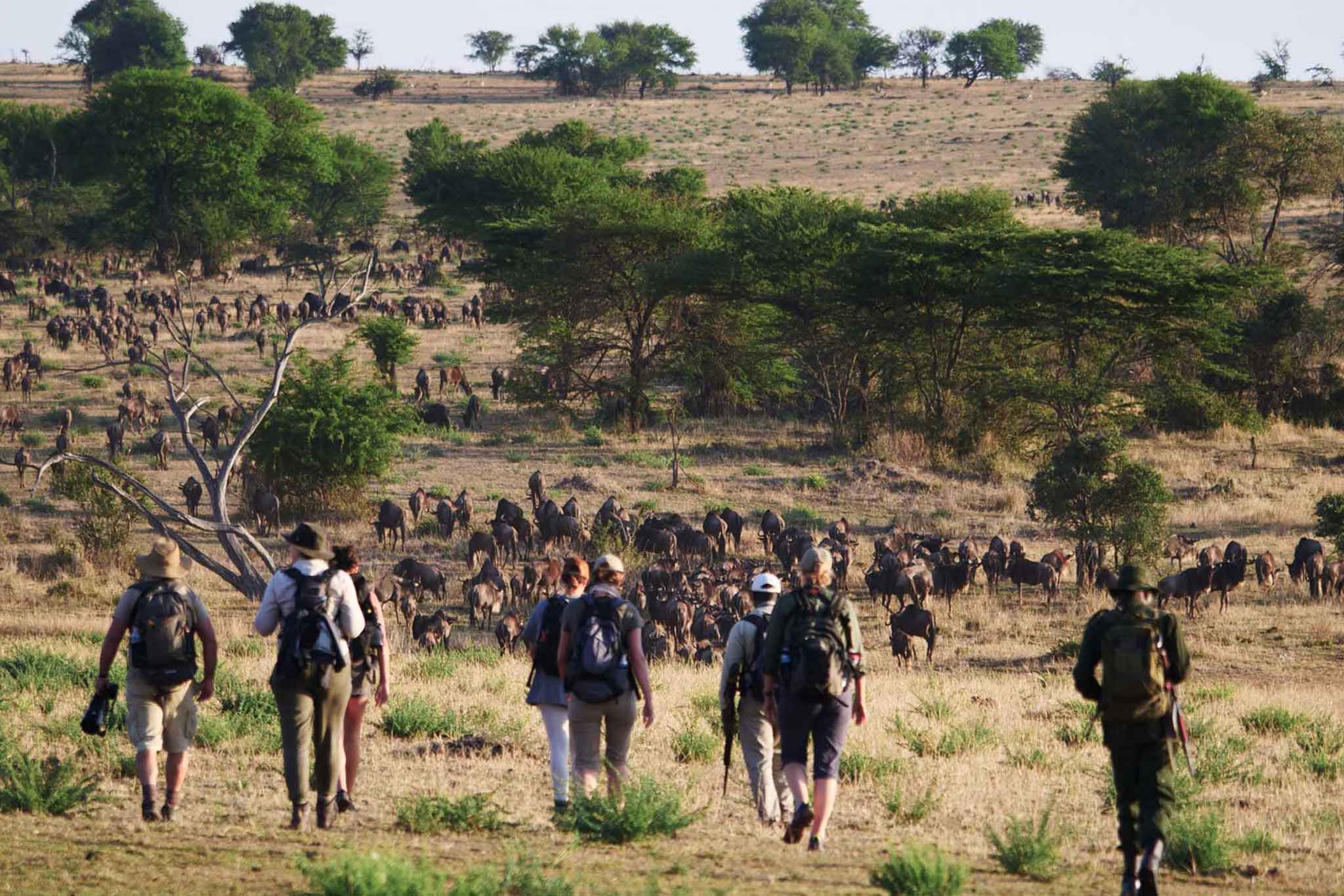
Guided Armed Walking Safari – On Foot Among Giants
Exclusive armed walking safari in a private concession bordering the park. Walk at elephant eye-level across open savannah dotted with baobabs. Feel the ground shake as herds approach – safe, thrilling, unforgettable.
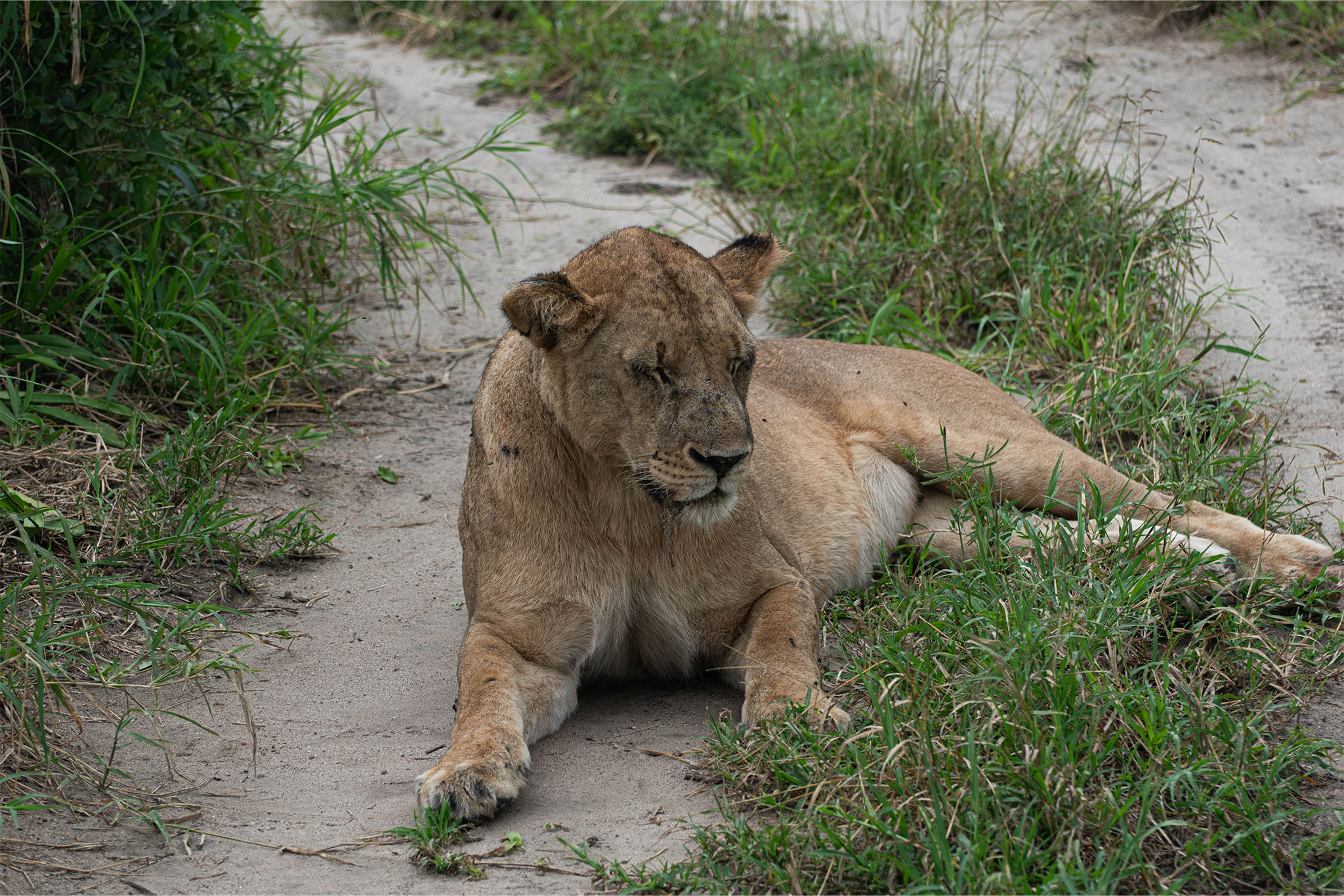
Silale Swamp Predator Zone – Lion & Cheetah Central
Silale Swamp attracts massive elephant and buffalo herds, drawing lions and cheetahs like magnets. One of Tarangire’s highest predator densities in a single lush area.
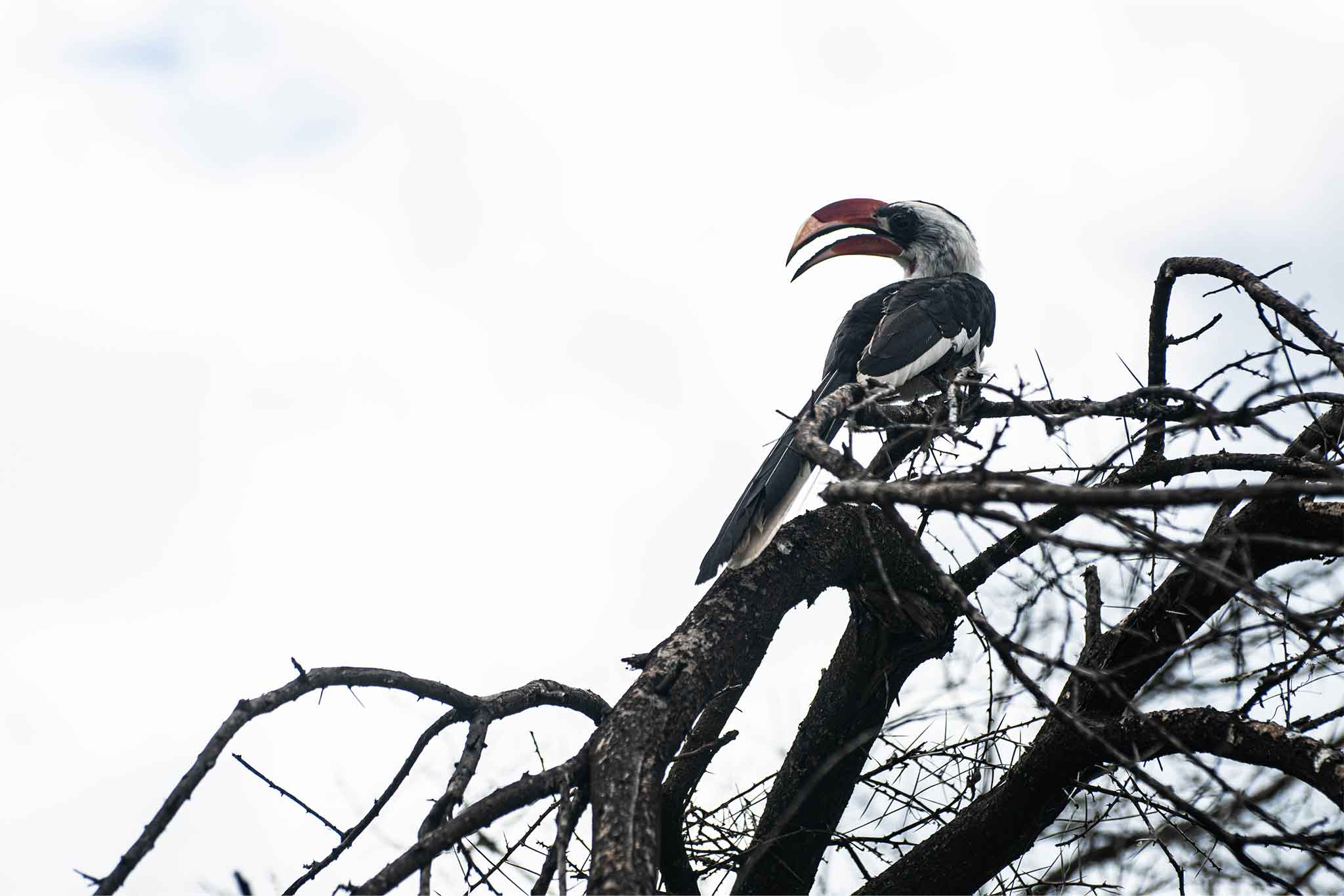 Over 550 Bird Species – Endemic Ashy Starlings & Lovebirds
Tarangire records Tanzania’s highest bird diversity outside wetlands. Endemic ashy starlings, yellow-collared lovebirds, vulturine guineafowl, and massive vulture gatherings clean elephant carcasses.
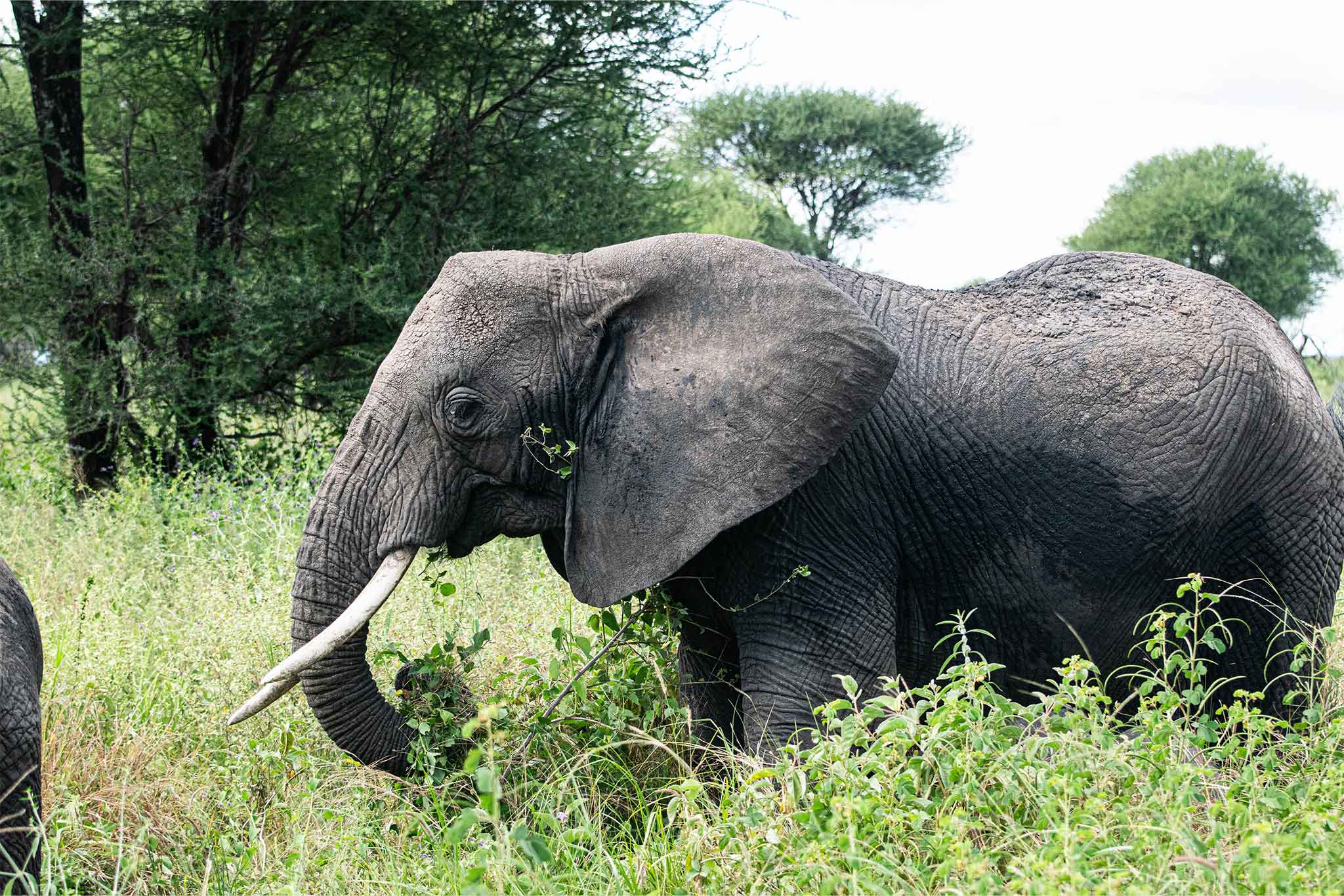
Year-Round Uncrowded Magic
Dry season (June–October) packs thousands of elephants into river corridors. Green season (January–March) paints the park emerald, drops visitor numbers, and delivers newborn calves with dramatic storm light.
- Day 1
Tanzania’s elephant capital
Hotel Collection & Scenic Drive: Your private 4×4 collects you from any Arusha-area hotel. The drive crosses red-earth Maasai steppe with distant views of Kilimanjaro and Meru on clear mornings.
Morning Game Drive – Baobab Giants & Elephant Super-Herds Enter Tarangire National Park and cruise beneath cathedral-like baobabs older than the pyramids. Massive elephant breeding herds – often 300–600 animals – move in slow-motion parades toward the Tarangire River. Leopards rest on sausage-tree branches in plain sight. Lion prides claim termite-mound thrones while fringe-eared oryx and gerenuk pose like runway models.
Silale Swamp Circuit – Predator Central Explore the lush Silale Swamp, where hundreds of elephants drink alongside buffalo and zebra. Scan for lions stalking at waterholes and cheetah on open pans. Over 550 bird species – including endemic ashy starlings and yellow-collared lovebirds – flash between baobabs.
Private Picnic Lunch – River or Swamp Viewpoint Spread a shaded picnic blanket overlooking the Tarangire River or Silale Swamp. Enjoy fresh salads, grilled chicken, tropical fruits, and chilled juices while elephant families splash below and impala prance in the background.
Afternoon Game Drive – Leopard Highway & Sunset Magic Follow the famous southern “Leopard Highway” circuits renowned for daytime big-cat sightings. Track lion prides hunting, spot leopards draped over branches, and watch thousands of animals gather at the river as golden light bathes the landscape. End with a classic Tarangire sunset – baobab silhouettes against a fiery African sky.
Return Drive to Arusha Exit the park and return to your hotel relaxed, dusty, and carrying memories of Africa’s most underrated gem.
More about Tarangire National Park Discover Tarangire National Park
More about this tour
Location Overview
This intimate full-day adventure explores Arusha National Park (137 km²), the closest national park to Arusha city and the only one in northern Tanzania that legally permits guided armed walking safaris inside its boundaries. Nestled at the foot of Mount Meru (4,566 m / 14,980 ft), the second-highest peak in Tanzania, the park sits just 30–45 minutes northeast of Arusha (1,400 m / 4,600 ft elevation). Often called “Little Serengeti” for its open plains and “Giraffe Capital” for its high density of Masai giraffe, it offers dramatic montane forest, seven alkaline Momella Lakes, and panoramic views of both Mount Meru and – on clear days – distant Kilimanjaro.
Arusha National Park (137 km²): 30 km northeast of Arusha. A compact jewel combining three distinct zones: the acacia-studded Ngongongare plains (“Little Serengeti”), the shimmering Momella Lakes famous for flamingos and waterbirds, and the cool montane forest cloaking Mount Meru’s lower slopes. Home to Masai giraffe, Cape buffalo, zebra, warthog, black-and-white colobus monkeys, blue monkeys, and over 400 bird species. No lions or elephants, making it perfect for safe walking safaris with armed rangers.
Momella Lakes & Tululusia Hill: Seven shallow alkaline lakes whose colours shift from turquoise to emerald depending on algae. Lesser flamingos form pink carpets (peak June–October). Tululusia Hill offers sweeping viewpoints across the lakes toward Kilimanjaro.
Meru Crater & Fig Tree Arch: A forested mini-crater floor frequented by buffalo and warthog. The iconic Fig Tree Arch – a massive strangler fig tunnel you drive beneath – is one of Tanzania’s most photographed natural wonders.
Geography & Access Terrain: Open grasslands, montane rainforest, alkaline lakes, waterfalls, and volcanic craters. Altitude Range: 1,400–2,200 m (4,600–7,200 ft). Travel Times (from Arusha): 30–45 minutes to Ngongongare Gate. Gateway: Kilimanjaro International Airport (JRO) → Arusha (45 min transfer); day trip returns to Arusha hotels. Year-round access via private 4×4; dry season (June–October) delivers clearest Kilimanjaro views and peak flamingo concentrations, while green season (January–March & November–December) paints the park emerald and brings newborn animals and dramatic storm light.





There are no comments yet.