
7-Day Rongai Route: Climb Kilimanjaro from the Quiet North
- Information
- Tour Plan
- Location
- Gallery
- Reviews
- Additional Info
- Similar Tours
- Complete Guide & Expert Insights
What's included
- All camping equipment (tents, sleeping mats, dining tent, portable toilet)
- All meals on the mountain (breakfast, lunch, dinner)
- All park fees for Mount Kilimanjaro
- Fair wages for mountain crew (as per park regulations)
- Government taxes and VAT
- Rescue fees and safety equipment (oxygen cylinder, first aid kit, oxymeter)
- Sleeping bags
- Transfers between hotel and mountain gate
- Alcoholic drinks
- International flights
- Optional activities not listed in itinerary
- Personal expenses (laundry, souvenirs, etc.)
- Personal trekking gear
- Pre- and post-climb accommodation (usually 2 nights)
- Services not specifically stated in the itinerary
- Tanzania Inbound Travel Insurance (US$44 per person, mandatory for visitors from 1 October 2026)
- Tips for guides, porters, and cook
- Travel insurance (must include high-altitude trekking)
- Visa fees for Tanzania
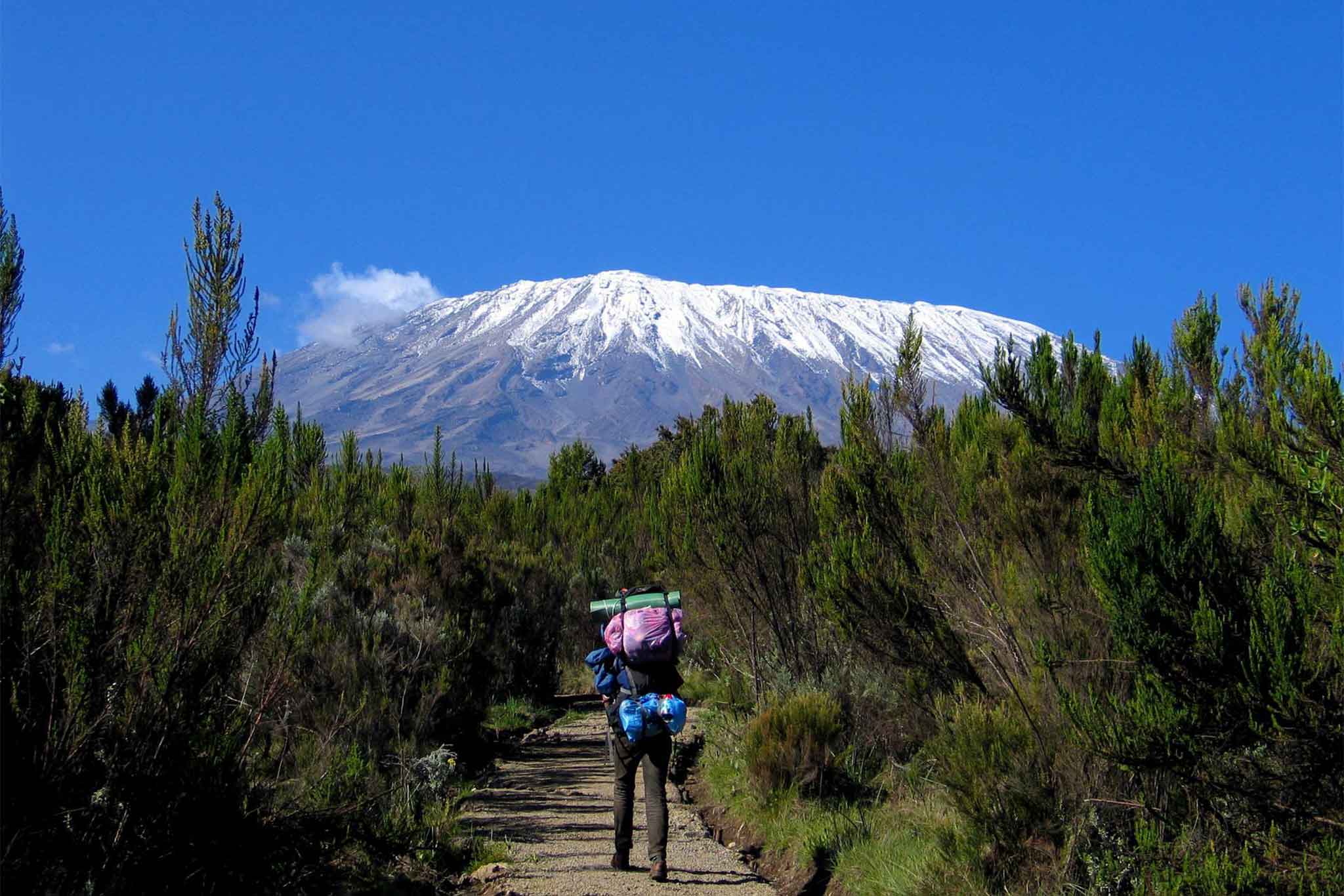 Why Choose the Rongai Route?
Embarking on the Rongai Route Kilimanjaro climb with The Woven Experience opens a gateway to one of Tanzania’s most serene and scenic ascents, approaching from the tranquil northern slopes near the Kenyan border. As a dedicated Arusha-based operator committed to sustainable, culturally rich explorations, The Woven Experience blends expert local guidance, eco-conscious practices, and personalized care to create a profound connection with the mountain. This lesser-trodden path captivates with its drier trails, abundant wildlife possibilities, and breathtaking views of Mawenzi Peak, making the 7-day Rongai Route experience ideal for adventurers craving solitude and authentic immersion on the journey to Uhuru Peak.
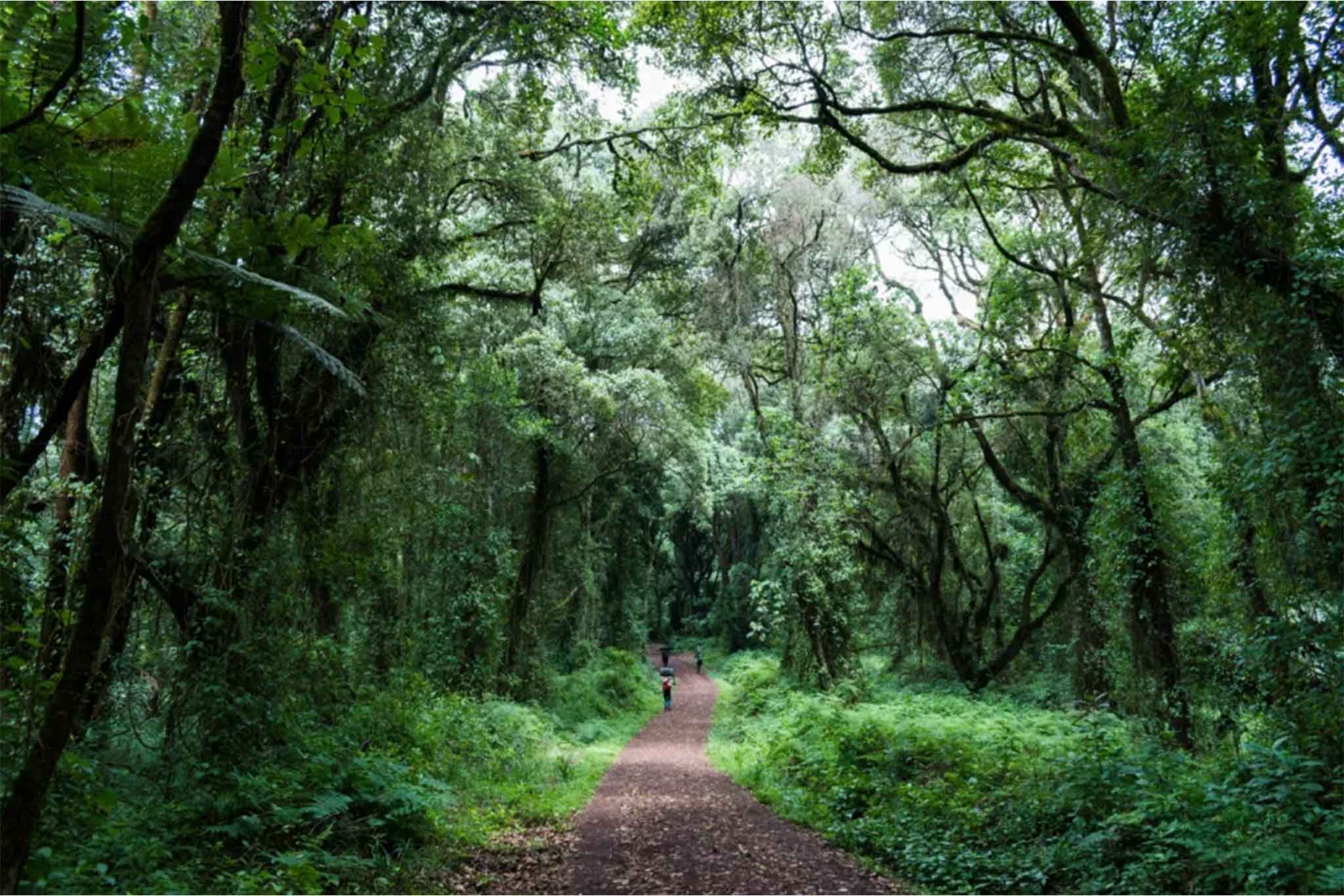
Pine Forests and Rural Charm
The journey begins with a captivating drive from Arusha across expansive rural landscapes, leading into cultivated pine plantations that fringe Kilimanjaro’s northern side. This serene entry immerses you in montane forests alive with birdlife and occasional antelope sightings, where The Woven Experience’s knowledgeable guides share insights into local farming communities and the mountain’s northern mystique.
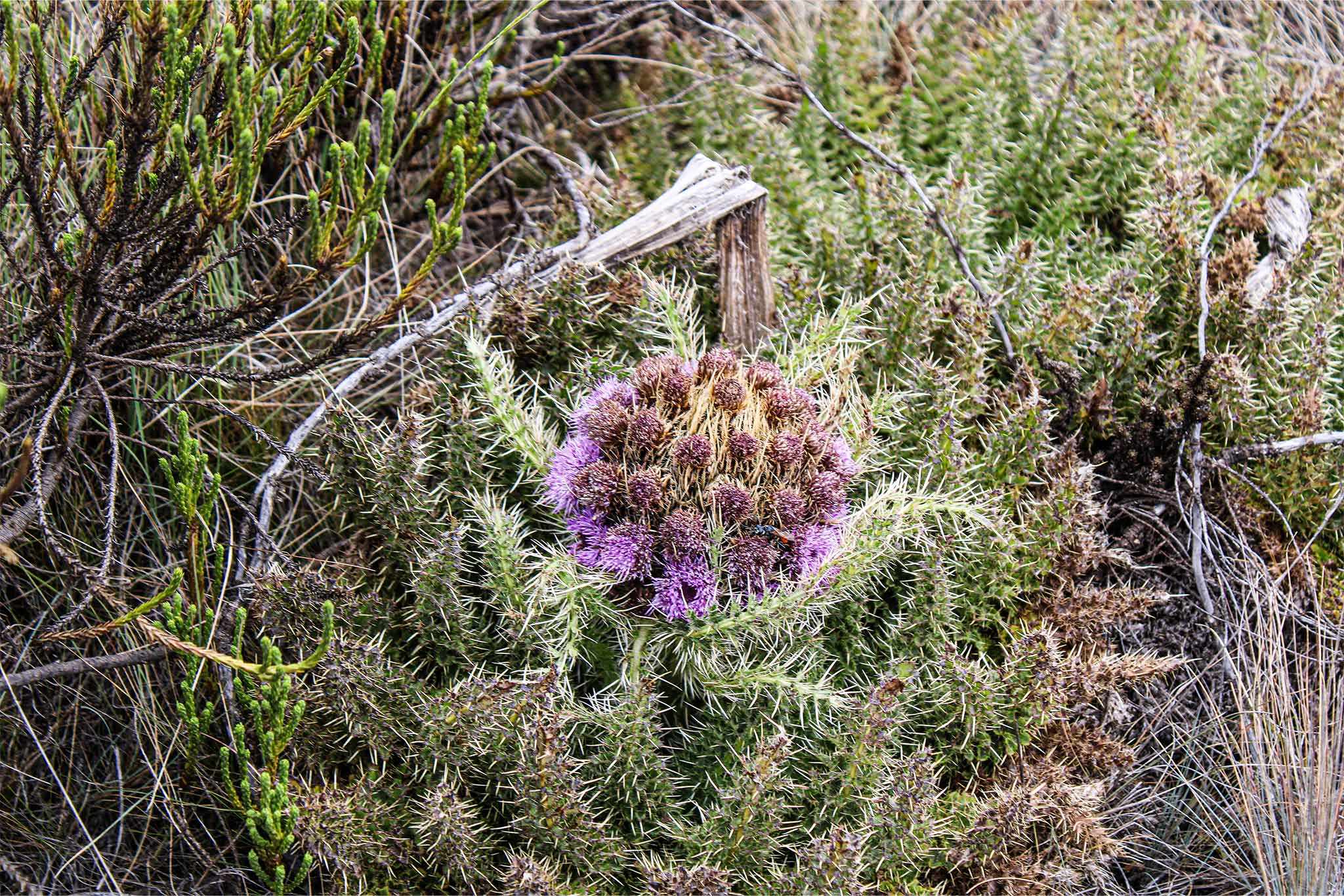 Heather Meadows and Open Vistas
As the terrain unfolds into vast heathlands adorned with giant heathers and seasonal wildflowers, panoramic horizons reveal distant Kenyan plains under expansive skies. This tranquil zone offers a sense of boundless freedom and gentle acclimatization, enhanced by The Woven Experience’s thoughtful camping setups and evening storytelling sessions drawing from Chagga and Maasai traditions.
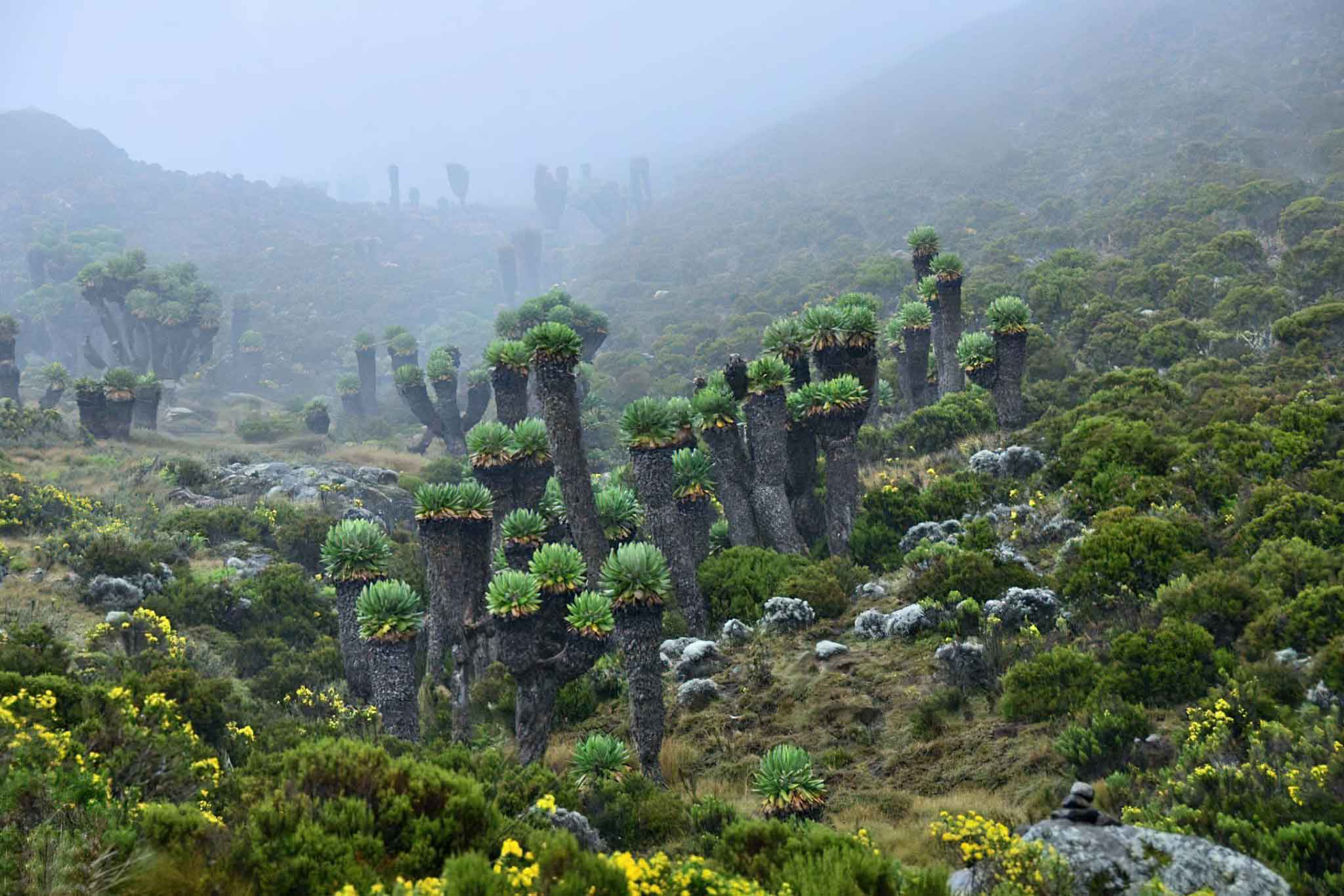
Volcanic Ridges and Tarn Serenity
Nearing the jagged splendor of Mawenzi Peak, sparse alpine vegetation frames crystalline tarn lakes nestled in volcanic craters. The dramatic rock formations and reflective waters create a mesmerizing backdrop for reflection and photography, with The Woven Experience ensuring optimal comfort and health monitoring in this high-altitude haven.
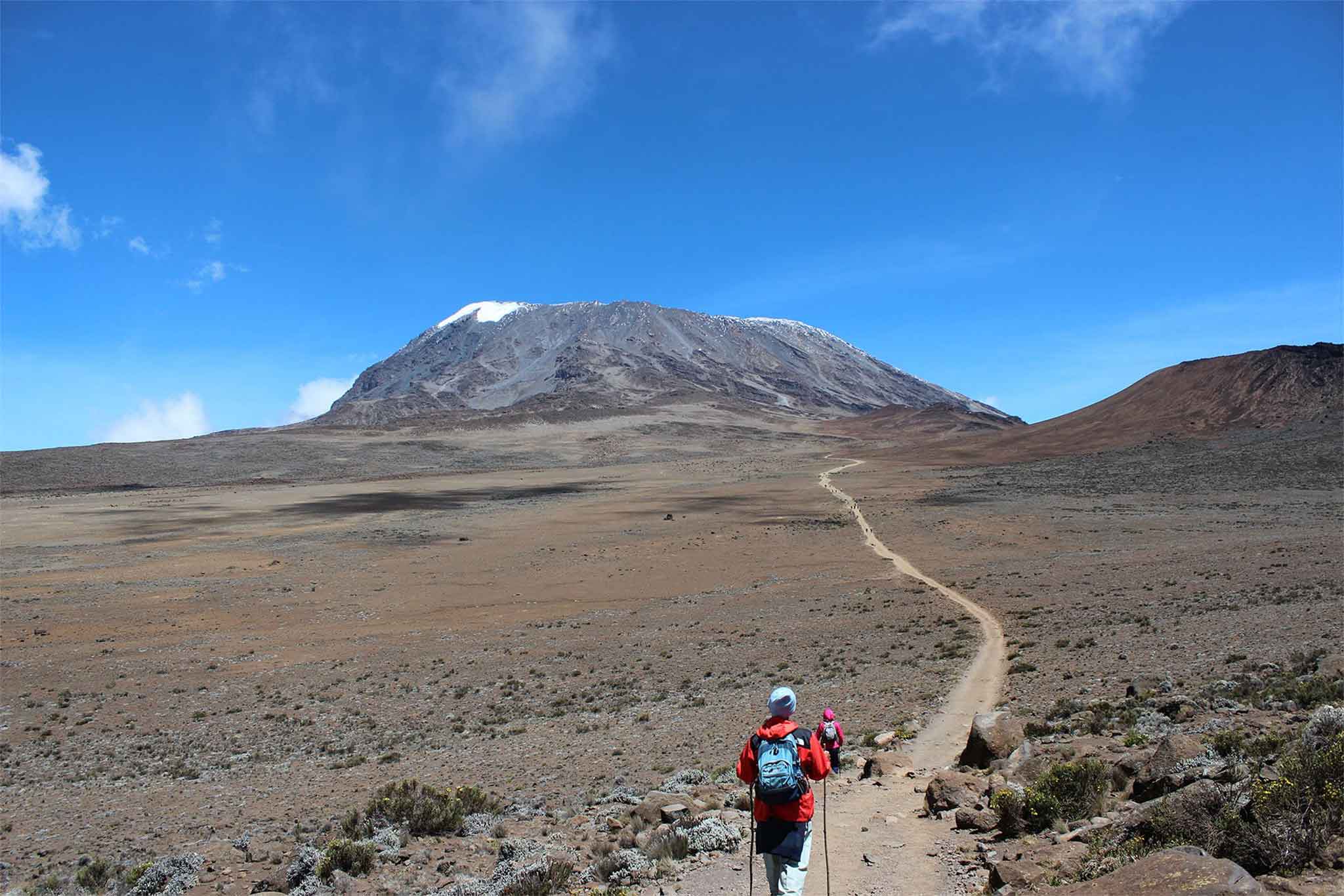
Lunar Deserts and Twin Peak Panoramas
Crossing the expansive alpine desert between Mawenzi and Kibo unveils a stark, moon-like expanse dotted with ancient lava flows. Unobstructed views of both volcanic cones dominate under brilliant starry nights, fostering deep anticipation—perfectly supported by The Woven Experience’s dedicated team and strategic hydration protocols.
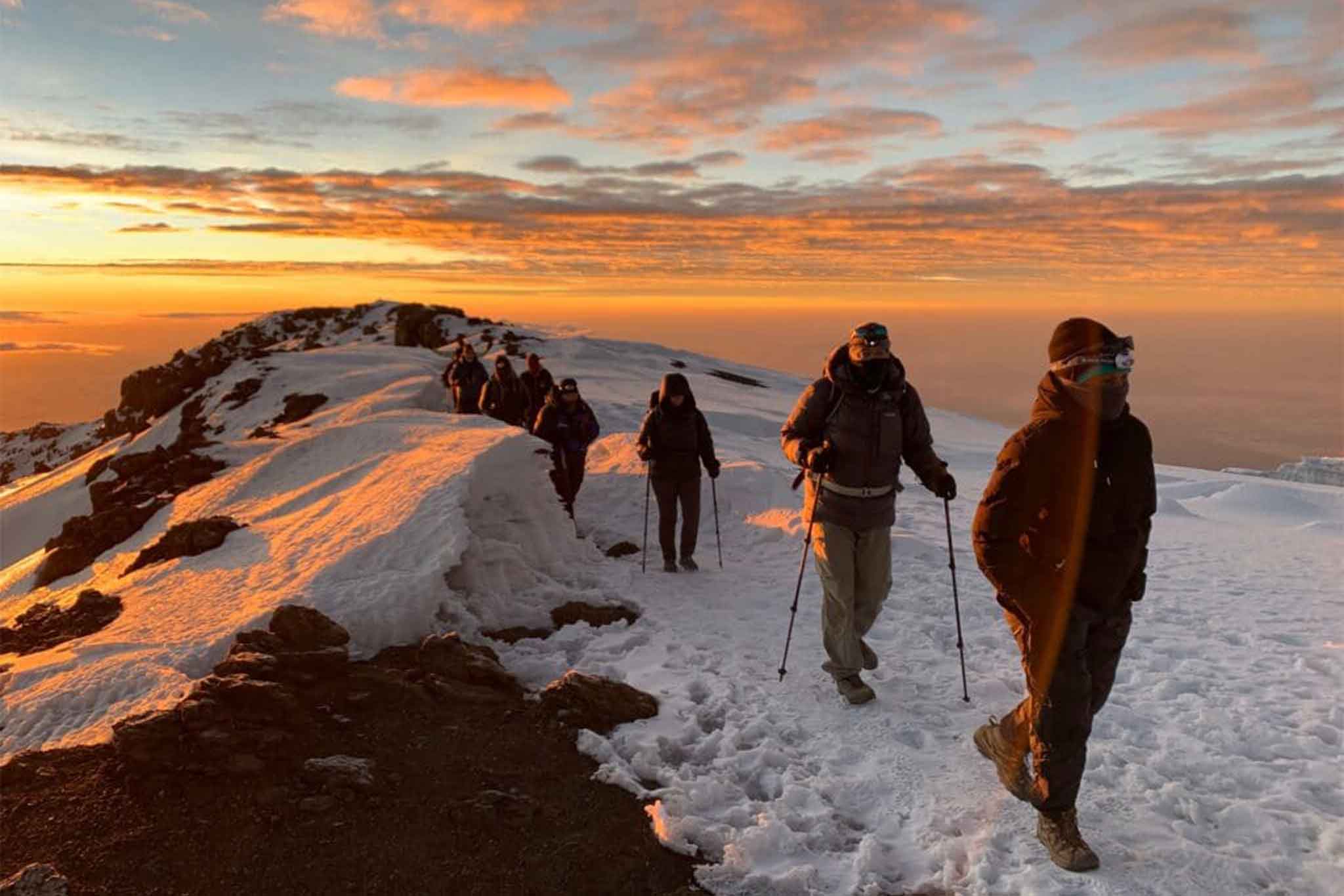
Sunrise at Africa’s Highest Point
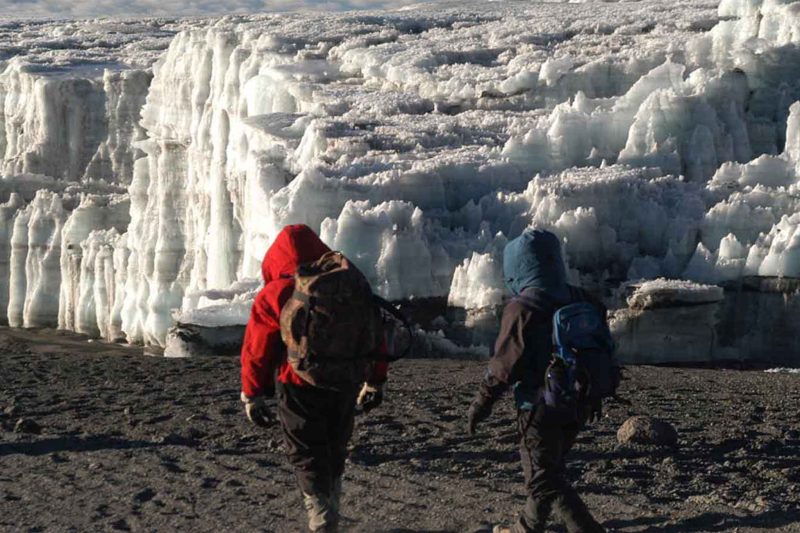
The culminating ascent delivers a spectacular sunrise along the crater rim, culminating at Uhuru Peak’s iconic summit with sweeping glacial vistas and a profound sense of accomplishment. This euphoric milestone resonates with emotional depth, celebrated through The Woven Experience’s warm congratulations and cultural acknowledgments of your achievement.
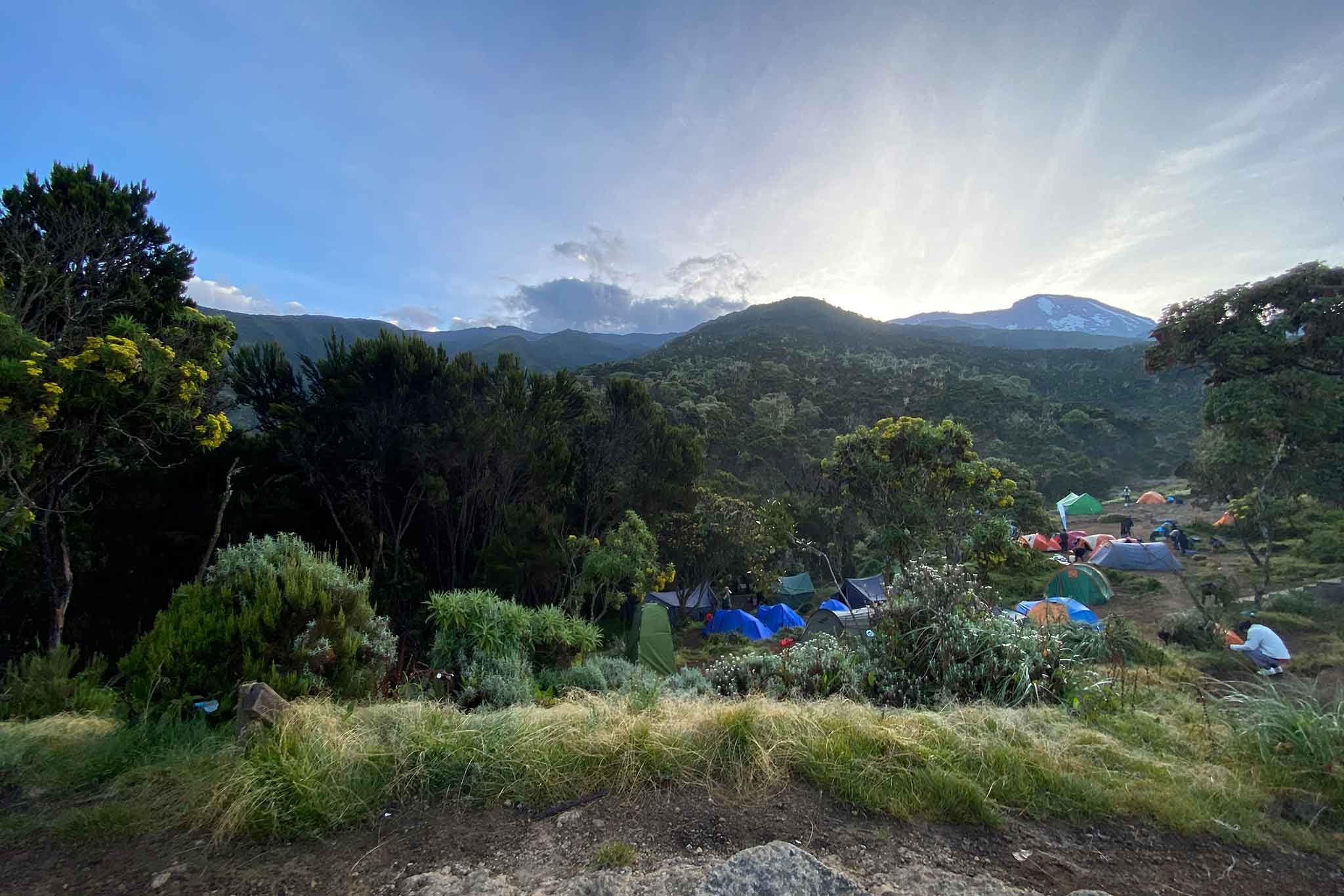
Moorland Renewal and Forest Return
The varied return path winds through rejuvenating moorlands into vibrant rainforests, alive with streams and wildlife echoes on the Marangu side. This gentle closure allows cherished reflections on the diverse ecosystems traversed, ending with a smooth transfer back to Arusha, where The Woven Experience offers heartfelt debriefs and lasting connections.
Ready to embrace the Rongai Route with The Woven Experience? This Kilimanjaro trek promises seclusion, stunning northern scenery, and genuine Tanzanian hospitality—reserve your adventure today for an extraordinary ascent to the Roof of Africa.
Rongai Route Prices 2026
Most popular
Price per person (USD) · 7 days / 6 nights · Park fees, guides, porters & meals included
| Group size | 1 person | 2 people | 3 people | 4 people | 5 people | 6 people | 7+ people |
|---|---|---|---|---|---|---|---|
| Price per person | $2,748 | $2,200 Most booked | $2,105 | $1,952 | $1,911 | $1,890 | $1,867 Best value |
| 7+ climbers: contact us for a custom quote. Larger groups may receive additional discounts. | |||||||
- Day 1
- Day 2
- Day 3
- Day 4
- Day 5
- Day 6
- Day 7
Rongai Gate (1,950m) → Simba Camp (2,650m)
Distance: 6–8 km
Hiking Time: 3–4 hours
Difficulty: Easy to Moderate
Habitat: Montane Forest
Your journey begins with a 4–5 hour drive from Arusha around the eastern side of Kilimanjaro to the remote Rongai Gate, close to the Kenyan border. After registering at the gate and meeting your full mountain crew, you set off on foot.
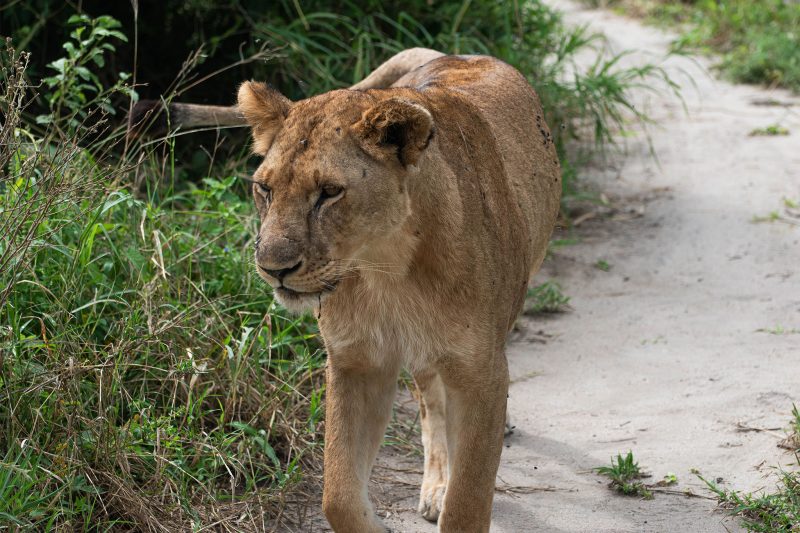
The trail starts gently through farmland and pine plantations, then enters a drier montane forest than the one on the mountain’s busier southern side. Look out for black-and-white colobus monkeys in the treetops, along with forest birds and the occasional small antelope. The gradual climb makes this an easy introduction to trekking at altitude.
You reach Simba Camp, on the edge of the moorland, by mid to late afternoon. Your crew will have the tents up and a hot meal ready, and on a clear evening you can see across the plains into Kenya.
Simba Camp (2,650m) → Second Cave Camp (3,450m)
Distance: 7–9 km
Hiking Time: 5–6 hours
Difficulty: Moderate
Habitat: Moorland
Today, you leave the forest behind and enter the moorland zone. The trail steadily climbs with expansive views over the Kenyan plains.
The landscape becomes more open, with low vegetation and volcanic rock formations. The gradual ascent helps your body adjust naturally to the increasing altitude.
You arrive at Second Cave Camp, a scenic site offering wide panoramic views and a peaceful environment for acclimatization.
Second Cave Camp (3,450m) → Kikelewa Camp (3,600m)
Distance: 5–6 km
Hiking Time: 3–4 hours
Difficulty: Moderate
Habitat: Moorland to Alpine Transition
Today is a short day to help with acclimatization. You gain only about 150 metres in altitude, which gives your body time to adjust before the bigger climbs ahead.
The trail leaves the main ridge and crosses open moorland toward Mawenzi Peak, with a few steeper sections along the way. Your guides keep the pace slow and steady, and the short distance means you reach camp by early afternoon.
Kikelewa Camp sits in a sheltered valley with views of Mawenzi’s jagged spires. Use the afternoon to rest, drink plenty of water, and eat well. If you feel strong, your guide may take you on a short walk above camp before returning to sleep lower, a proven way to help your body adapt to altitude.
Kikelewa Camp (3,600m) → Mawenzi Tarn Camp (4,330m)
Distance: 6–7 km
Hiking Time: 4–5 hours
Difficulty: Moderate to Challenging
Habitat: Alpine Desert
Today’s climb takes you into the alpine desert zone, where vegetation becomes sparse and the landscape more dramatic.
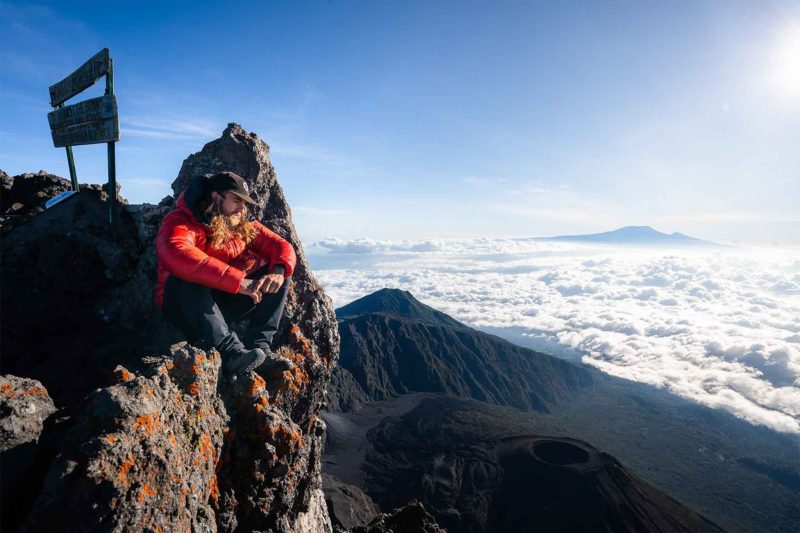
You ascend steadily toward Mawenzi Tarn, a beautiful camp set beneath the jagged spires of Mawenzi Peak. The scenery here is among the most striking on Kilimanjaro.
In the afternoon, you may take a short acclimatization hike to aid altitude adjustment.
Mawenzi Tarn Camp (4,330m) → Kibo Hut (4,700m)
Distance: 8–9 km
Hiking Time: 5–6 hours
Difficulty: Challenging (Altitude Exposure)
Habitat: Alpine Desert
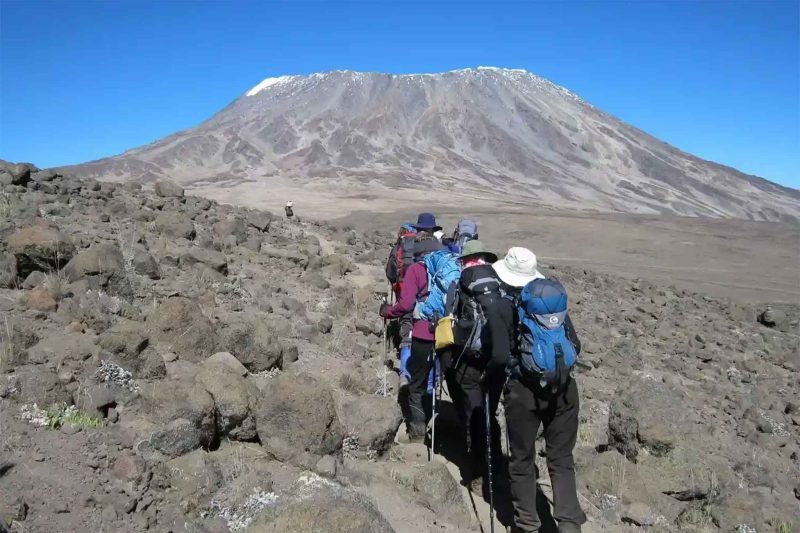
This is a long but gradual trek across the saddle between Mawenzi and Kibo peaks. The terrain is barren and lunar-like, with vast open spaces and minimal vegetation.
The altitude becomes more noticeable, and maintaining a slow, steady pace is essential. The views of Kibo’s summit cone grow closer as you approach Kibo Hut, your base camp for the summit attempt.
You arrive in the afternoon, rest, and prepare for the midnight ascent.
Kibo Hut (4,700m) → Uhuru Peak (5,895m) → Horombo Hut (3,720m)
Distance: 20–22 km
Hiking Time: 12–15 hours
Difficulty: Very Challenging (Summit Push)
Habitat: Arctic Zone to Moorland
Your summit attempt begins around midnight under a sky filled with stars. The climb is steep and demanding, requiring determination and mental strength.
You ascend toward Gilman’s Point (5,685m), where the first light of dawn appears. From there, you continue along the crater rim to Uhuru Peak, the highest point in Africa.
After celebrating your achievement, you descend carefully back to Kibo Hut for rest before continuing down to Horombo Hut, where oxygen levels improve and recovery begins.
Horombo Hut (3,720m) → Marangu Gate (1,870m)
Distance: 18–20 km
Hiking Time: 5–7 hours
Difficulty: Moderate (Long Descent)
Habitat: Moorland to Rainforest
Your final descent takes you through moorland and back into lush rainforest. The trail can be long and requires steady pacing to protect your knees.
As you descend, the air becomes warmer and richer in oxygen. The forest is alive with birdlife and towering trees, offering a beautiful conclusion to your journey.
At Marangu Gate, you receive your summit certificate and celebrate your achievement before returning to your hotel.
More about Kilimanjaro National Park Discover Kilimanjaro National Park
More about this tour
Location Overview
This scenic 7-day Rongai Route climb ascends Mount Kilimanjaro, Africa’s highest peak and a freestanding volcanic massif rising dramatically from the Tanzanian plains. Rongai Gate is a 4–5 hour drive from Arusha.
Starting from Arusha (1,400 m / 4,600 ft elevation), the journey begins with a 4–5 hour transfer to the remote northern side of Kilimanjaro near the Kenyan border, reaching the Rongai Gate. This lesser-traveled approach offers a quieter and more secluded entry into Kilimanjaro National Park, gradually ascending through dry forest, moorland, and alpine desert before reaching the arctic summit zone. The Rongai Route is known for its gentle gradients, drier conditions, and panoramic views across the Kenyan plains.
Rongai Forest Zone (1,950–2,800 m)
Northern approach via Rongai Gate. The trail begins in a drier montane forest compared to the southern routes, with open woodland and scattered wildlife such as colobus monkeys, antelope, and a variety of bird species. The gradual ascent makes for a comfortable introduction to the climb.
Second Cave to Kikelewa & Mawenzi Region (3,400–4,300 m)
As the forest thins, the trail transitions into moorland with expansive views. The route passes Second Cave and climbs steadily toward Kikelewa Camp, surrounded by dramatic landscapes. Nearby, Mawenzi Peak—Kilimanjaro’s rugged and jagged volcanic cone—dominates the skyline, offering one of the most striking backdrops on the mountain.
Mawenzi Tarn & Saddle (4,300–4,700 m)
The route reaches Mawenzi Tarn, a scenic campsite nestled beneath towering cliffs. This is a key acclimatization area with opportunities for short hikes. From here, the trail crosses the vast Saddle—a high-altitude desert plateau between Mawenzi and Kibo peaks—characterized by open, windswept terrain and stark volcanic scenery.
Kibo Hut & Summit Zone (4,700–5,895 m)
Arriving at Kibo Hut, climbers prepare for the summit push. The ascent begins before midnight, climbing steep scree slopes to Gilman’s Point and along the crater rim to Uhuru Peak (5,895 m)—the highest point in Africa. The summit zone features freezing temperatures, thin air, and breathtaking sunrise views above the clouds. You descend via the Marangu Route to Marangu Gate.
Geography & Access
Terrain:
A gradual ascent through dry forest, moorland, alpine desert, and glaciated summit terrain. The Rongai Route is considered one of the most accessible and less crowded routes on Kilimanjaro, offering a unique northern perspective.
Altitude Range:
1,950–5,895 m (6,400–19,340 ft), allowing for a steady and effective acclimatization profile.
Travel Times (from Arusha):
Rongai Gate: 4–5 hours by vehicle
Descent via Marangu Gate: 2–3 hours return to Arusha or Moshi
Gateway:
Kilimanjaro International Airport (JRO) → Arusha (approximately 45–60 minutes transfer), with onward travel to the northern approach.
Seasonality:
The Rongai Route is accessible year-round with guided support. It is particularly favorable during the rainy seasons (March–May and November) due to its drier northern location. The dry seasons (June–October and January–February) offer clear skies, stable trails, and excellent summit visibility, making Rongai a reliable option for climbers seeking quieter conditions and consistent weather.
Rongai Route FAQs
Is the Rongai Route easier than Machame?
Rongai is generally considered gentler. Its gradients are more gradual, the trail is quieter, and the northern side of the mountain is drier. Machame offers more varied scenery and a steep scramble up the Barranco Wall, which some climbers find challenging. Both reach Uhuru Peak, and summit night on each is equally demanding. If you want a calmer, less crowded climb, Rongai is an excellent choice.
Can beginners climb the Rongai Route?
Yes. Rongai requires no technical climbing skills, so many first-time trekkers choose it. You do need good general fitness and the stamina for several long walking days, plus a long summit night. We recommend regular cardio and hill hikes for two to three months before your climb.
When is the best time to climb the Rongai Route?
The best conditions are from June to October and in January and February, when the weather is mostly dry and clear. Because Rongai climbs the drier northern side, it is also a good choice in March and November, and it is the route we recommend if you can only travel during the April–May rains.
Is the Rongai Route good in the rainy season?
Rongai is the best route for the rainy months. The northern side of Kilimanjaro sits in a rain shadow, so it gets less rainfall than the southern routes. You should still expect some rain, especially in April and May, and come prepared with waterproof gear. For the best overall conditions, climb between June and October or from January to March.
What is the tipping guideline for the mountain crew?
Tipping is customary on Kilimanjaro and is a big part of your crew’s income. Typical guidelines are around $20–25 per day for the lead guide, $15–20 per day for each assistant guide, $12–15 per day for the cook and $8–10 per day for each porter. These amounts are per group, not per climber. Tips are usually handed over at a short ceremony on the final day. We’ll give you a full breakdown for your group size before you climb.
Do I need oxygen to climb Kilimanjaro?
No. Most climbers reach Uhuru Peak without supplemental oxygen. The 7-day itinerary’s gradual pace gives your body time to adjust to altitude. For safety, our guides carry an emergency oxygen cylinder and a pulse oximeter, and they check your oxygen levels and heart rate every day. If anyone shows signs of serious altitude sickness, the first treatment is to descend.
How much does the 7-day Rongai Route cost?
Prices range from $1,867 per person for groups of seven or more to $2,748 for a solo climber. The price includes park fees, guides, porters, a cook, all meals on the mountain, camping equipment, sleeping bags, rescue fees, and transfers to and from the mountain gate. See the pricing table above for every group size.
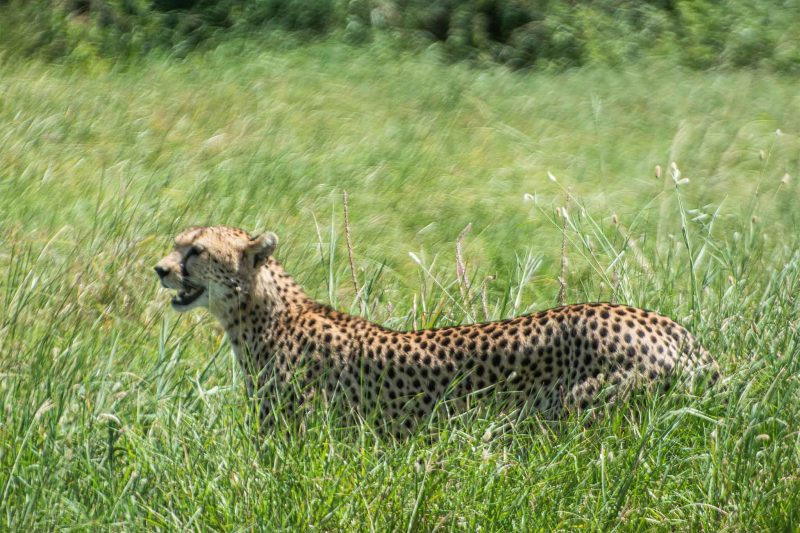
7-Day Rongai Route Kilimanjaro Hike
Climbing Mount Kilimanjaro via the extended Rongai Route on a 7-day itinerary offers a quieter, more gradual, ideal for trekkers seeking both comfort and a strong chance of reaching the summit. Approaching from the remote northern side near the Kenyan border, this route is known for its drier conditions, scenic wilderness, and excellent acclimatization profile—making it ideal for trekkers seeking both comfort and a higher success rate than 5- and 6-day itineraries.
With The Woven Experience, your Kilimanjaro journey is expertly guided, safety-first, and designed to deliver a deeply immersive and unforgettable experience.
A Short Expert Guide to the Rongai Route
The Rongai Route is the only route that starts on Kilimanjaro’s northern side, offering a unique and less crowded experience.
Route Highlights:
Remote wilderness with fewer trekkers
Gradual ascent profile—ideal for acclimatization
Stunning views of Mawenzi Peak
Descent via the Marangu Route for varied scenery
A short acclimatization day on Day 3, before the higher camps
Difficulty Level: Moderate
Success Rate: 94%
Looking for a quieter, high-success Kilimanjaro route? Book your 7-day Rongai trek today.
Expert Recommendations
Our guides strongly recommend the 7-day Rongai Route for trekkers seeking better acclimatization and a more relaxed pace.
Top Expert Tips:
Use the short Day 3 to rest, hydrate and let your body adjust
Maintain a steady “pole pole” pace
Stay consistent with hydration and nutrition
Use Rongai during rainy seasons for better conditions
Not sure if Rongai is the right route for you? Speak with our experts for personalized advice.
How to Prepare for the Rongai Route
Preparation is key to a successful and enjoyable Kilimanjaro climb.
Physical Training
Cardio workouts (hiking, jogging, cycling)
Endurance hikes with elevation gain
Strength training for legs and stamina
Gear Essentials
Waterproof hiking boots
Layered clothing system
Warm summit gear (down jacket, gloves, thermals)
Mental Preparation
Prepare for multiple trekking days
Stay patient and consistent
Focus on endurance over speed
Best Time to Climb the Rongai Route
You can climb Kilimanjaro all year, and the Rongai Route has a special advantage: it climbs the mountain’s northern side, which sits in a rain shadow and gets less rainfall than the southern routes. That makes Rongai the best choice if your dates fall in or near the rainy seasons.
What to expect at each altitude
- Forest (Days 1 and 7): Mild and dry on the northern slopes on the way up. The descent through the Marangu rainforest is warmer, more humid, and can be muddy.
- Moorland and alpine desert (Days 2–5): Sunny and often windy by day, with cold nights that can drop below freezing at Mawenzi Tarn and Kibo Hut.
- Summit zone (Day 6): −10°C to −20°C (14°F to −4°F) before sunrise, with strong wind chill.
Month by month
| Months | Conditions | Crowds | Our verdict |
|---|---|---|---|
| January–February | Mostly dry and clear, with occasional summit snow | Moderate | ⭐ Excellent |
| March | Warmer, rain becoming more likely, but drier on the north side | Low | Good shoulder month |
| April–May | Long rains, but lighter on Rongai than on the southern routes | Very low | Possible: the best route for these months |
| June–October | Dry season, with clear skies and the best trail conditions | Highest in July–September (still quiet on Rongai) | ⭐ Best overall |
| November | Short rains, mostly afternoon showers | Low | Good: Rongai stays drier |
| December | Rain easing, but busy over the holidays | High in late December | Good |
Our recommendation
For the best overall conditions, climb between June and October or in January and February. If you want quiet trails, March and November are excellent on Rongai, because its drier northern slopes avoid the worst of the showers. If you can only travel in April or May, Rongai is the route we recommend. Expect some rain, and bring good waterproof gear.
Whatever month you choose, bring warm layers for the cold nights from Mawenzi Tarn onwards, and a rain jacket for the descent through the rainforest.
Why Hike with The Woven Experience?
Climbing Kilimanjaro is a life-changing journey—and choosing the right team makes all the difference.
What Sets Us Apart:
Experienced, certified local guides
Careful pacing and daily health checks for the best summit chances
Personalized pacing and attention
Advanced safety equipment and monitoring
Ethical porter treatment and sustainable practices
Authentic storytelling and cultural immersion
Climb with confidence—start your Kilimanjaro journey with The Woven Experience today.
Private Hikes vs Group Climbs
Private Hikes (Solo or With Your Group)
Best for:
Couples, families, or friends
Travelers seeking flexibility and privacy
Advantages:
Customized itinerary and pace
Dedicated guide support
Greater comfort and exclusivity
Group Climbs (Join Other Travelers)
Best for:
Solo travelers
Budget-conscious adventurers
Social experiences
Advantages:
Shared costs
Group motivation
Opportunity to meet like-minded travelers
Start Your Rongai Adventure Today
The 7-day Rongai Route offers a quiet, scenic, and well-paced journey to the summit of Mount Kilimanjaro. With its gradual ascent and stunning northern views, it’s one of the best ways to experience Africa’s highest peak.





There are no comments yet.